Bulky Waste Collection in London: How to Dispose of Large Items Quickly and Legally
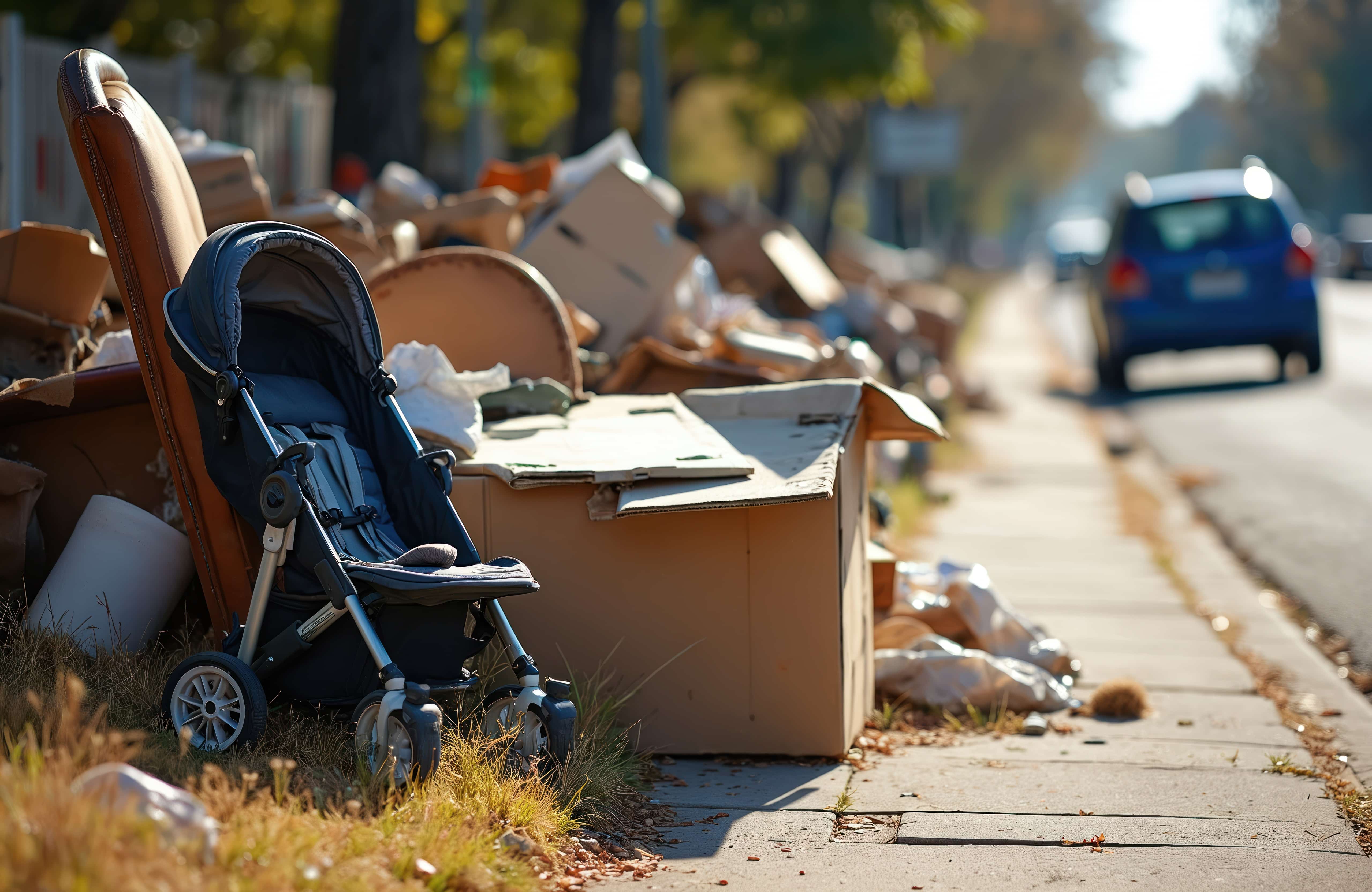
Getting rid of a sofa, an old washing machine, or a broken wardrobe is not as straightforward as putting a bag of rubbish out on collection day. In London, disposing of large items incorrectly can result in fines of up to £400 for fly-tipping, enforcement notices, and the frustration of having items sitting in your home or garden for weeks. Yet thousands of Londoners face exactly this challenge every day.
This guide covers everything you need to know about bulky waste collection in London — from council-run services and licensed waste carriers to same-day professional collection — so you can choose the fastest, most cost-effective, and fully legal option for your situation.
Quick Answer: For fast and legal bulky waste removal in London, use a licensed same-day collection service when timing matters, use council bulky pickup if you can wait, and use your local HWRC if you can transport items yourself.
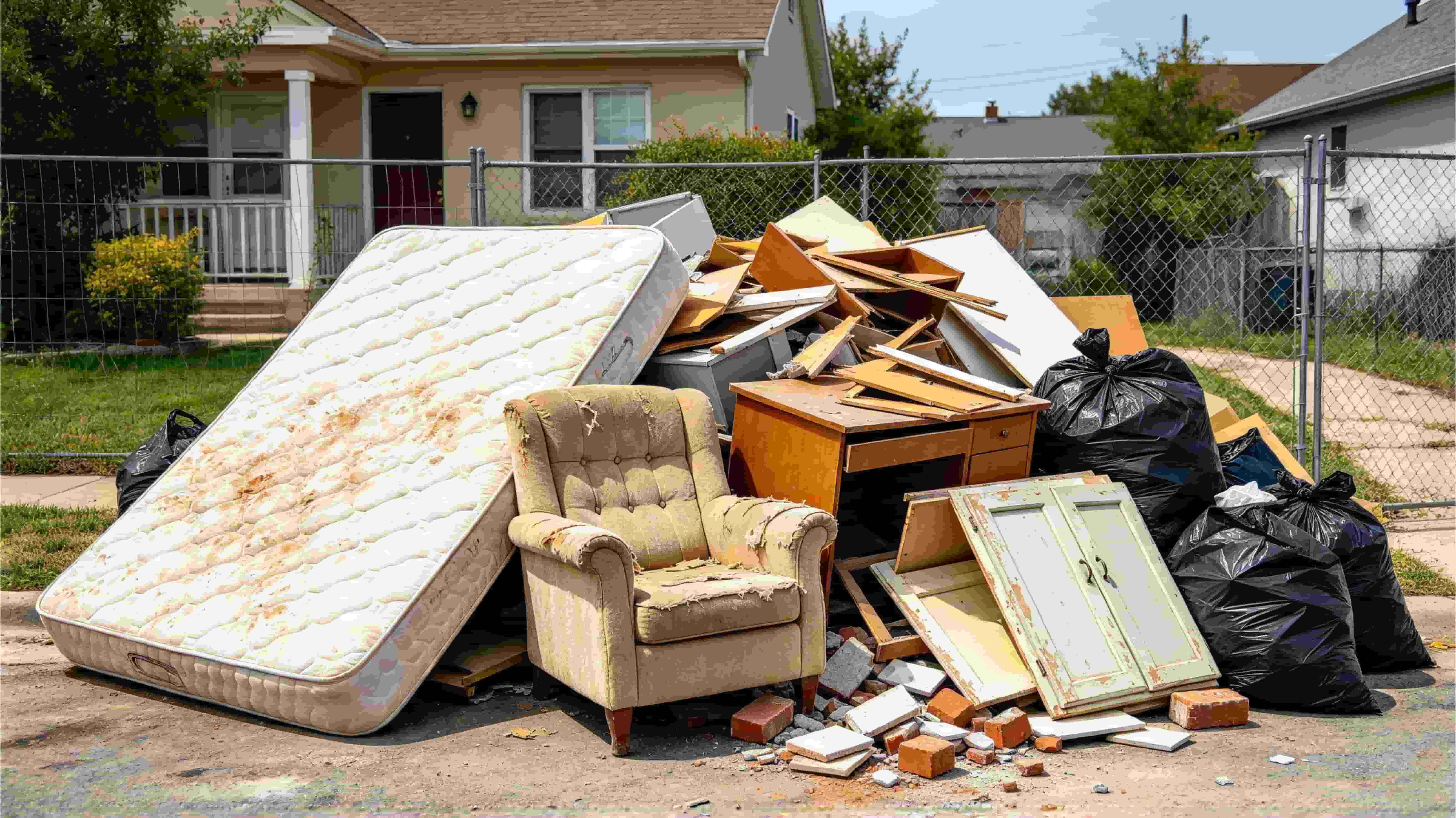
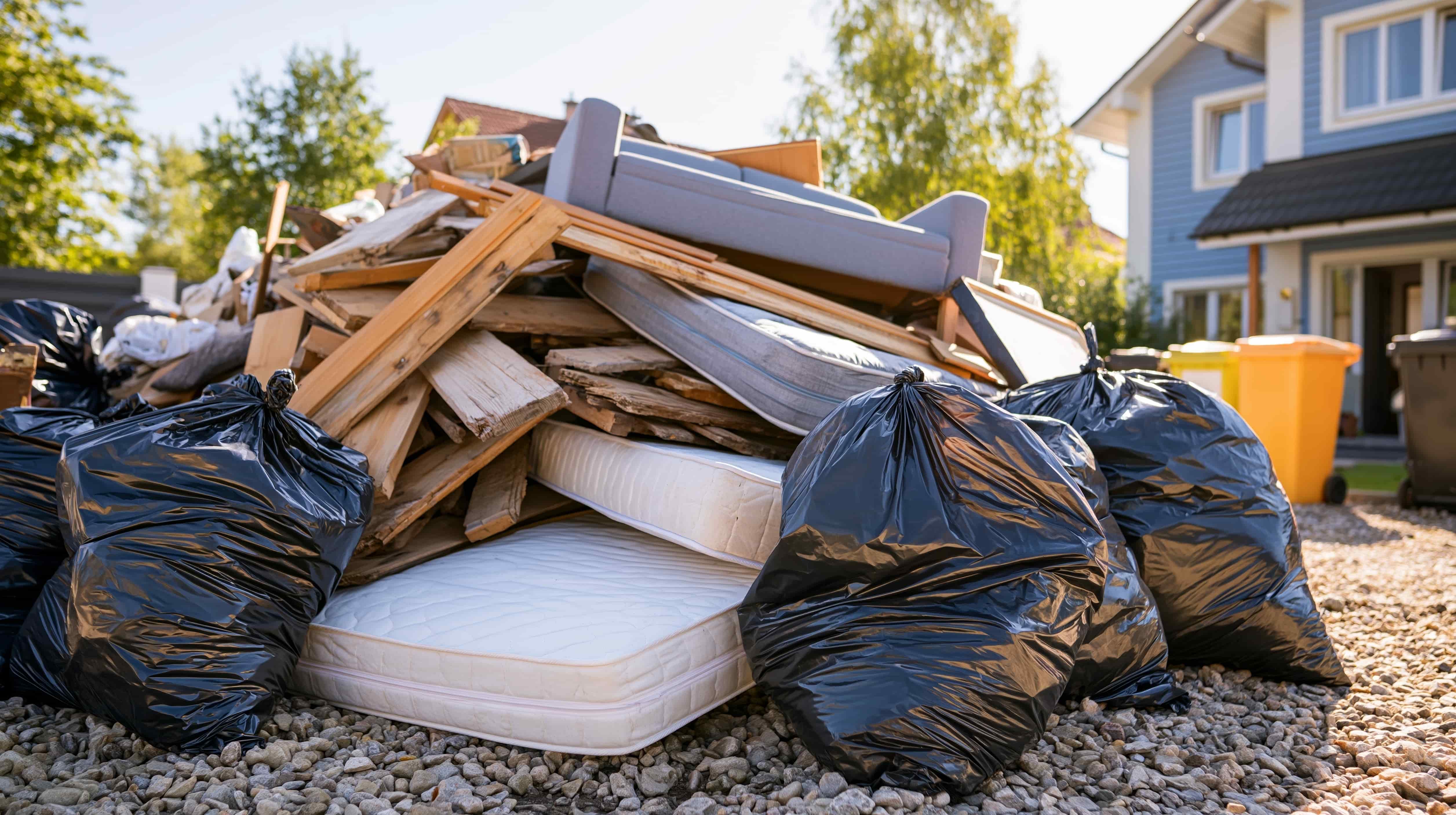
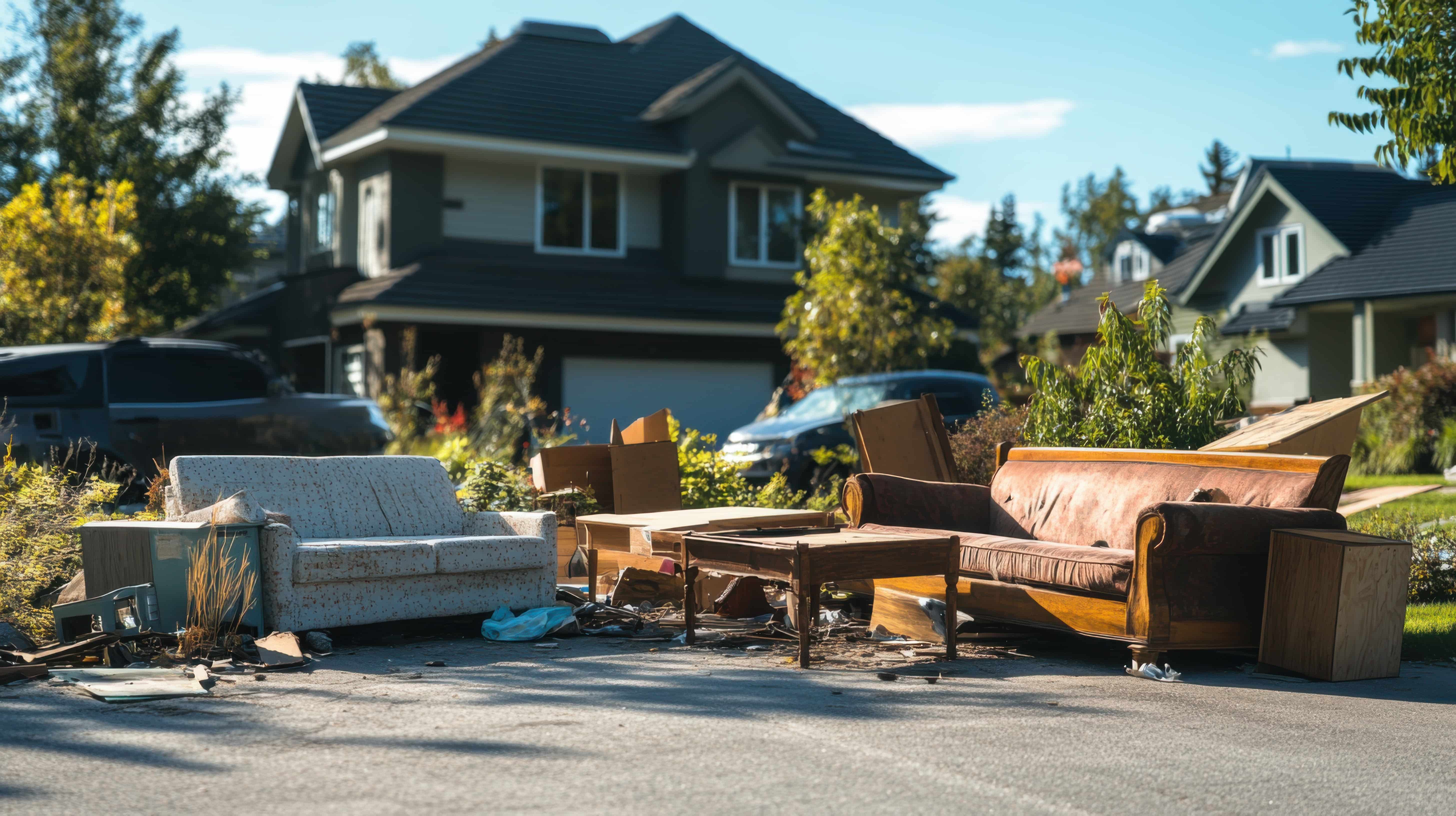
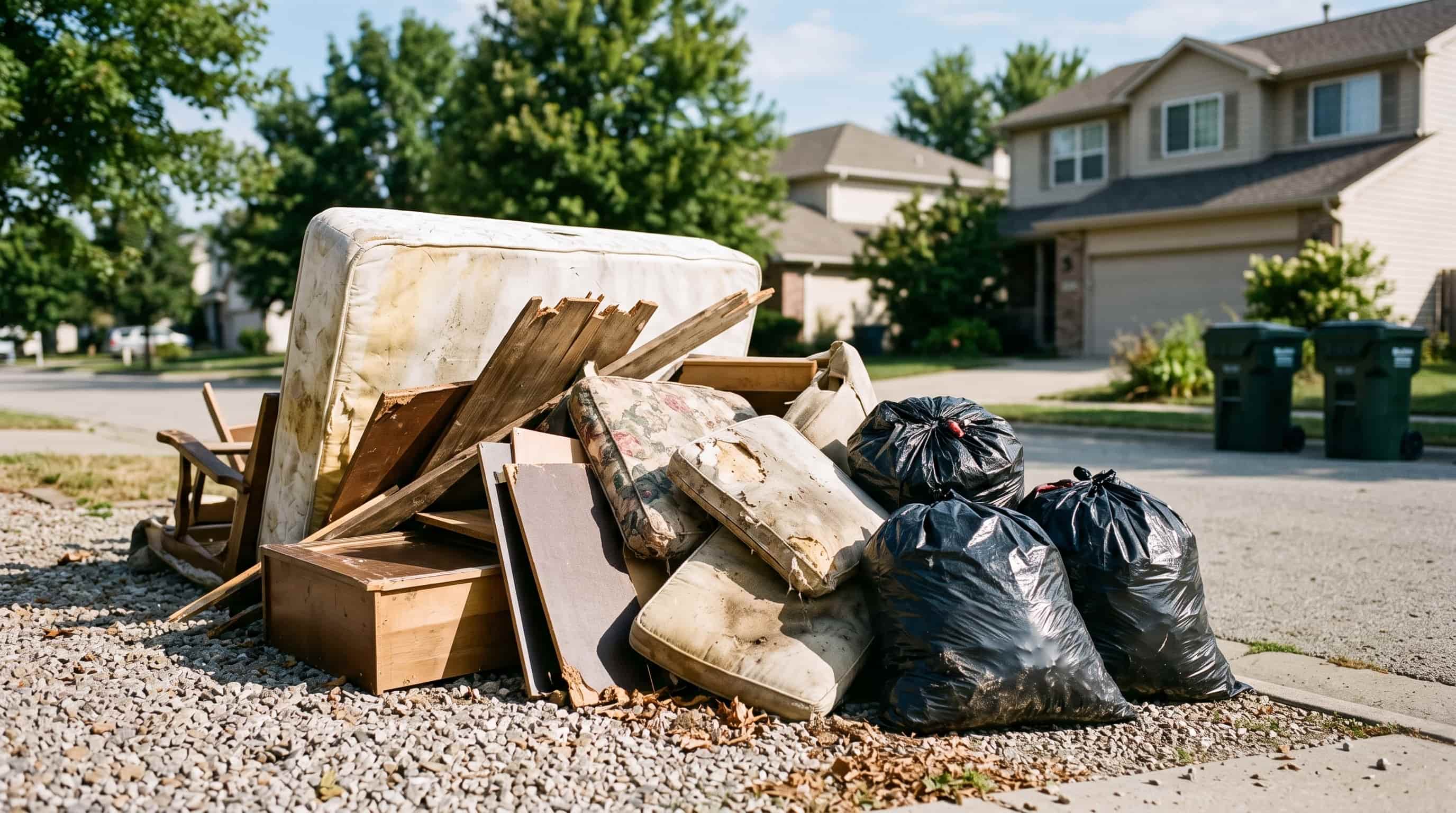
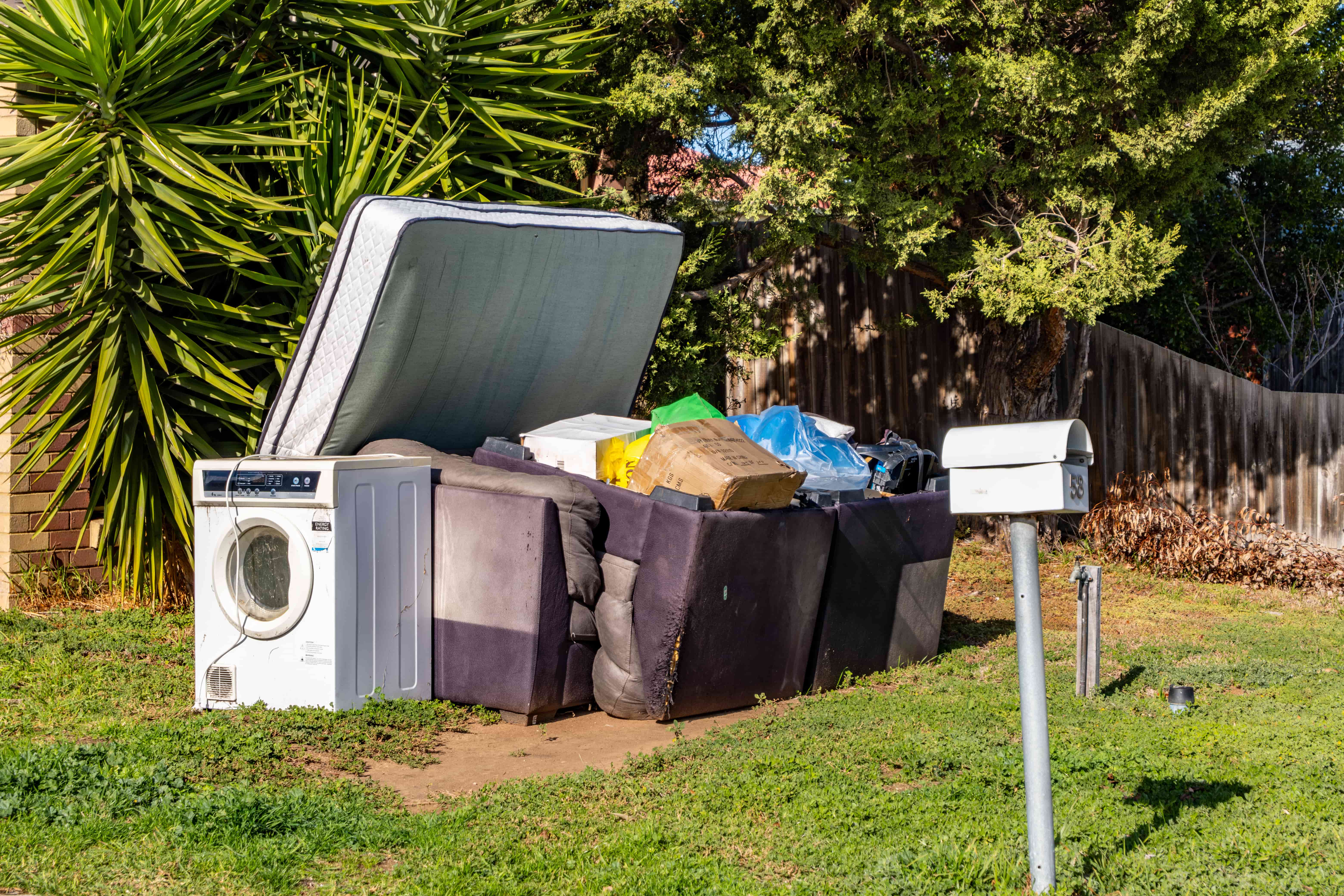
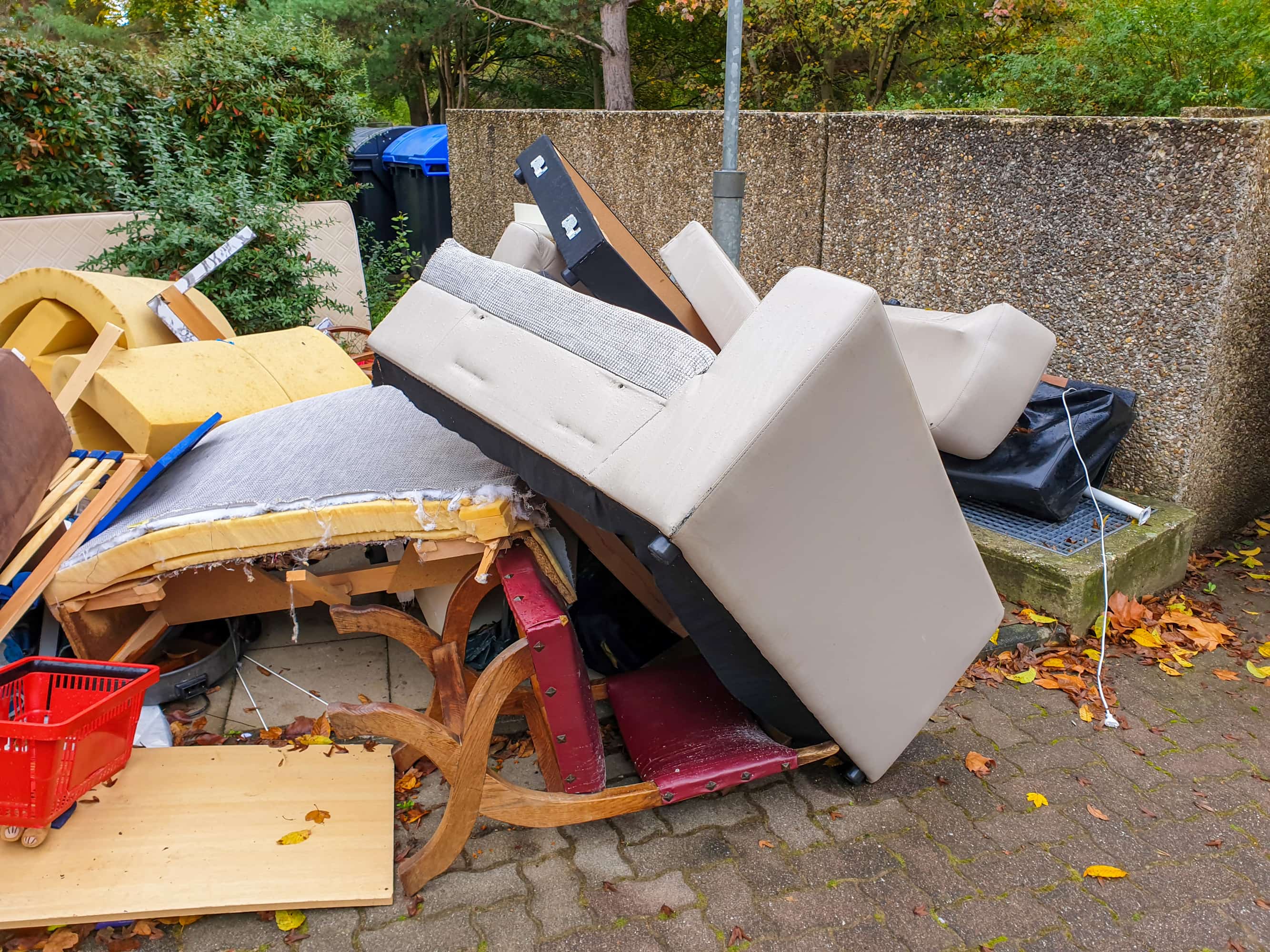
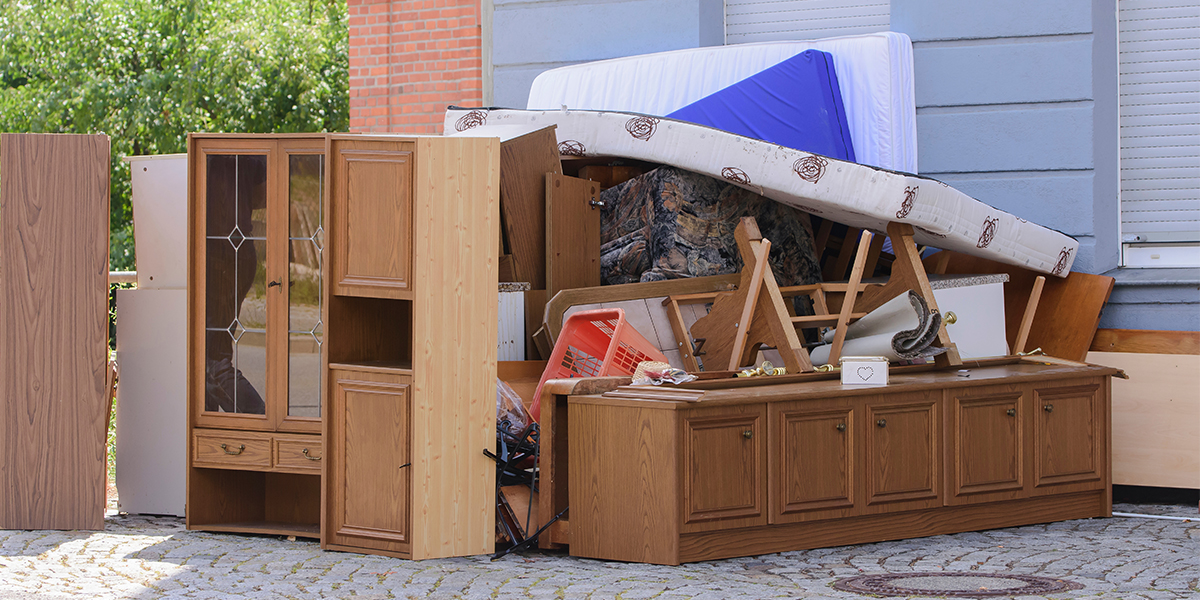
Bulky waste refers to large household items that are too big to be collected in a standard wheelie bin or kerbside refuse bag. Common examples include:
In London, all of these items must be disposed of through an approved route. Simply leaving them on the pavement or in a communal area without permission is classified as fly-tipping under the Environmental Protection Act 1990 and the Clean Neighbourhoods and Environment Act 2005.
London generates millions of tonnes of household waste each year, and bulky items pose particular challenges for the city's waste management infrastructure. Beyond the legal obligation, disposing of large items responsibly has real environmental and community benefits:
Choosing the right disposal route is not just a legal requirement — it is the responsible choice.
Every London borough offers a bulky waste collection service, though the cost, waiting time, and number of items permitted vary significantly between councils.
How it works: You contact your local council (online or by phone), book a collection slot, place your items at the kerbside on the designated day, and the council collects them.
Key points to know:
| Borough | Approx. Cost | Items Included | Typical Wait |
|---|---|---|---|
| Westminster | £25–£35 | Up to 3 items | 5–10 days |
| Tower Hamlets | £30 | Up to 3 items | 7–14 days |
| Hackney | Free (limited) / £35+ | Up to 5 items | Up to 3 weeks |
| Wandsworth | £30–£40 | Up to 4 items | 7–14 days |
| Southwark | £28–£38 | Up to 3 items | 7–21 days |
| Camden | £35–£45 | Up to 3 items | 1–3 weeks |
| Croydon | £25–£35 | Up to 5 items | 5–14 days |
| Lambeth | £30–£40 | Up to 4 items | 7–21 days |
Note: Charges and policies change regularly. Always check your borough's website for up-to-date pricing before booking.
Pros of council collection:
Cons of council collection:
London has over 25 Household Waste Recycling Centres (also known as tips or civic amenity sites) where residents can drop off bulky waste for free or at low cost.
Best for: Residents with access to a van, trailer, or large vehicle who want to dispose of items immediately without waiting for a collection.
Key considerations:
You can take: Furniture, mattresses, white goods, garden waste, electricals, tyres (limited), and general household waste.
For many London residents, professional rubbish collection services offer the best combination of speed, convenience, and value — particularly when dealing with multiple items, clearing a property, or working to a tight deadline.
How professional collection works:
Under the Duty of Care regulations (Environmental Protection Act 1990, Section 34), anyone who transfers controlled waste to another party must ensure that party is a licensed waste carrier. If you use an unlicensed collector and your waste is illegally dumped, you can be held liable and fined. Always request a waste transfer note from your collection company. Legitimate operators are registered with the Environment Agency and will provide this documentation automatically.
Book our bulky waste collection service in London today →
If your large items are still in usable condition, donating them is the most sustainable option and may be completely free.
Organisations that collect furniture and large items in London:
Limitations: Charities are selective about condition. Items must be clean, undamaged, and free from pests. Delivery of a mattress stained or damaged beyond use, for example, will be declined. Collections are also subject to availability and waiting times.
When purchasing new appliances or furniture, many London retailers are legally required to offer take-back of old items under the Waste Electrical and Electronic Equipment (WEEE) Regulations 2013.
This is an underused option that many Londoners overlook — if you are already buying a replacement, ask your retailer directly about old item removal.
Use this quick decision guide based on your circumstances:
| Your Situation | Best Option |
|---|---|
| 1–3 items, not urgent, budget-conscious | Council bulky waste collection |
| Items are in good condition | Charity / reuse donation |
| Buying new appliance or furniture | Retailer take-back |
| Have transport, want to go today | HWRC (local tip) |
| Multiple items, urgent clearance needed | Professional rubbish collection |
| Full property clearance | Professional clearance service |
| Business premises or commercial waste | Licensed commercial waste carrier |
It is a common misconception that leaving items on the pavement with a note saying "free to take" removes your legal responsibility. Under the Highways Act 1980 and Environmental Protection Act 1990, leaving items on a public highway without council permission is an offence, regardless of intent.
Items you should never leave unattended on a public street in London:
Councils can issue Fixed Penalty Notices (FPNs) of £150–£400, and persistent offenders face prosecution with fines of up to £50,000 and potential imprisonment.
Understanding the true cost helps you make the right decision without being surprised.
| Disposal Method | Typical Cost Range | Speed | Convenience |
|---|---|---|---|
| Council collection | £0–£50 | 5–28 days | Medium |
| HWRC (tip) | Free | Same day | Low (you transport) |
| Charity collection | Free | 3–14 days | High |
| Retailer take-back | £0–£30 | Same day as delivery | High |
| Professional collection | £60–£300+ | Same day / next day | Very high |
Professional collection pricing in London is typically volume-based. A single sofa collection may cost £60–£100; a full van load (equivalent to 10–15 large items) typically costs £150–£300 in London. Prices vary based on access, item type, and volume.
Key legislation governing bulky waste disposal in London:
Always verify your waste carrier is licensed. You can check the Environment Agency's public register of licensed waste carriers at gov.uk.
London Rubbish Collection provides licensed bulky waste removal across all 33 London boroughs, including:
Need urgent collection today? Call us on 020 3745 1098 for same-day bulky waste removal.
You can book through your local London borough council's website, through a licensed private rubbish collection company, or via a charity collection service. For same-day or next-day collection, a professional same-day rubbish removal service is typically the fastest option.
Some London boroughs offer limited free collections, particularly for residents on certain benefits. However, most councils charge between £25 and £50. Professional services charge based on volume but offer greater flexibility, speed, and convenience.
Waiting times vary by borough but typically range from 5 days to 4 weeks. If you need items removed urgently, a professional collection service is usually the better option.
No — you should not place items outside until your confirmed council collection day. Placing items on the pavement before your designated day or without a booking may result in a fly-tipping fine. If you need urgent pickup, booking a sofa removal service is a safer option.
Reputable collection companies sort items for reuse, recycling, or responsible disposal. Items in good condition are donated or resold. Metals are recycled. Specific items like fridges and freezers and electrical appliances are handled by certified processors. Landfill should be the last resort for any responsible collector.
Yes — this is one of the key advantages of professional services over council collection. Licensed rubbish collectors in London will collect items from any floor of your property, including bedrooms, loft conversions, and basements.
Only if they are a registered Environment Agency waste carrier. Using an unregistered individual exposes you to legal liability if the waste is fly-tipped. Always verify registration and request a waste transfer note.
A Fixed Penalty Notice for fly-tipping starts at £150–£400 for individuals. Prosecution through the courts can result in fines of up to £50,000 and up to 12 months in prison for serious offences.
Yes — same-day and next-day bulky waste collection is available across all London boroughs with most licensed operators, subject to access and booking time.
Whether you are clearing out a single bulky item or managing a full property clearance, London Rubbish Collection offers fast, professional, and fully licensed bulky waste collection across London. Our team handles everything — collection from inside your property, responsible sorting and recycling, and full legal compliance with a waste transfer note provided as standard.
Get a free, no-obligation quote for bulky waste collection in London today, or call 020 3745 1098.
This article is intended for informational purposes. Legislation, council charges, and service availability may change. Always verify current information with your local council or the Environment Agency.
Get a free, no-obligation quote today — fully licensed, same-day collection available 7 days a week.
A complete guide to recycling old computers...
24 Apr 2025
Top 5 Ways to Dispose of a Microwave Oven...
06 Sep 2024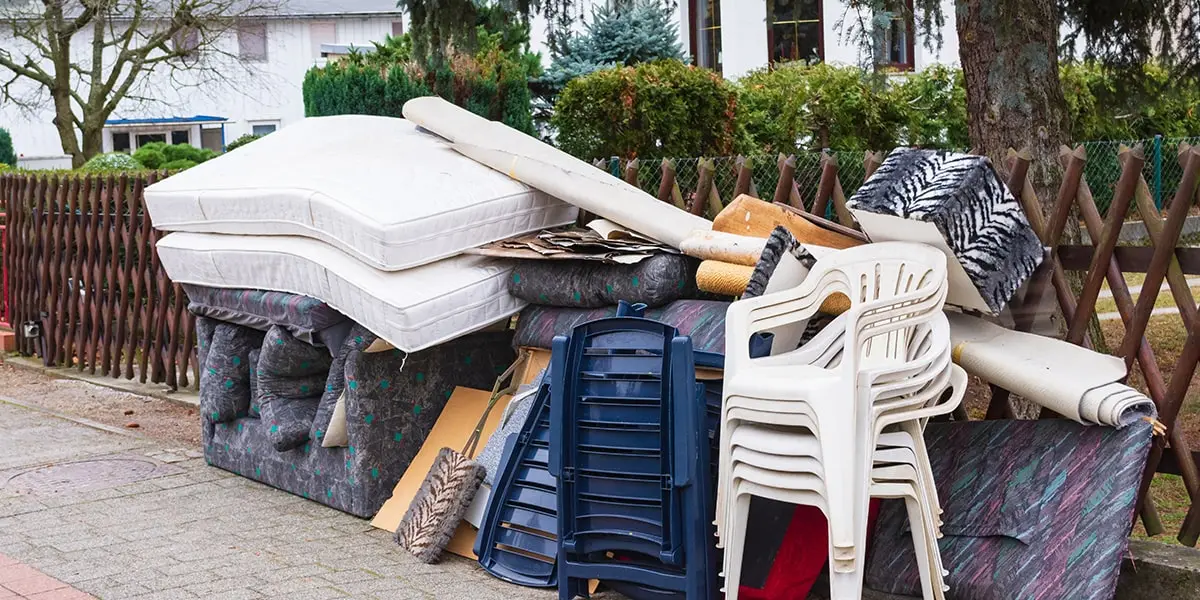
Top Ways on How to Get Rid of a Mattress...
30 Jul 2024
Top Innovative Ideas for Recycling...
30 Jul 2024