London Rubbish Collection for Flats: What to Do When There's No Bin Storage

Living in a flat in London comes with countless advantages — location, lifestyle, convenience. But when it comes to rubbish disposal, flat residents are often left dealing with a frustrating reality: no dedicated bin storage, no communal collections that actually work, and growing piles of waste with nowhere to go.
Whether you're in a converted Victorian terrace in Hackney, a purpose-built block in Canary Wharf, or a compact studio in Brixton, lack of bin storage is one of the most common — and least talked about — challenges for London flat dwellers.
This guide breaks down exactly what your options are, what you're legally entitled to, and how professional rubbish collection services can solve the problem quickly and affordably.
If your flat has no usable bin storage, start by checking your borough's waste policy and requesting formal support from the council or managing agent. For urgent or bulky waste, the most practical option is usually licensed flat rubbish collection with stair carry, loading, and compliant disposal included.
In most cases, the best order is:
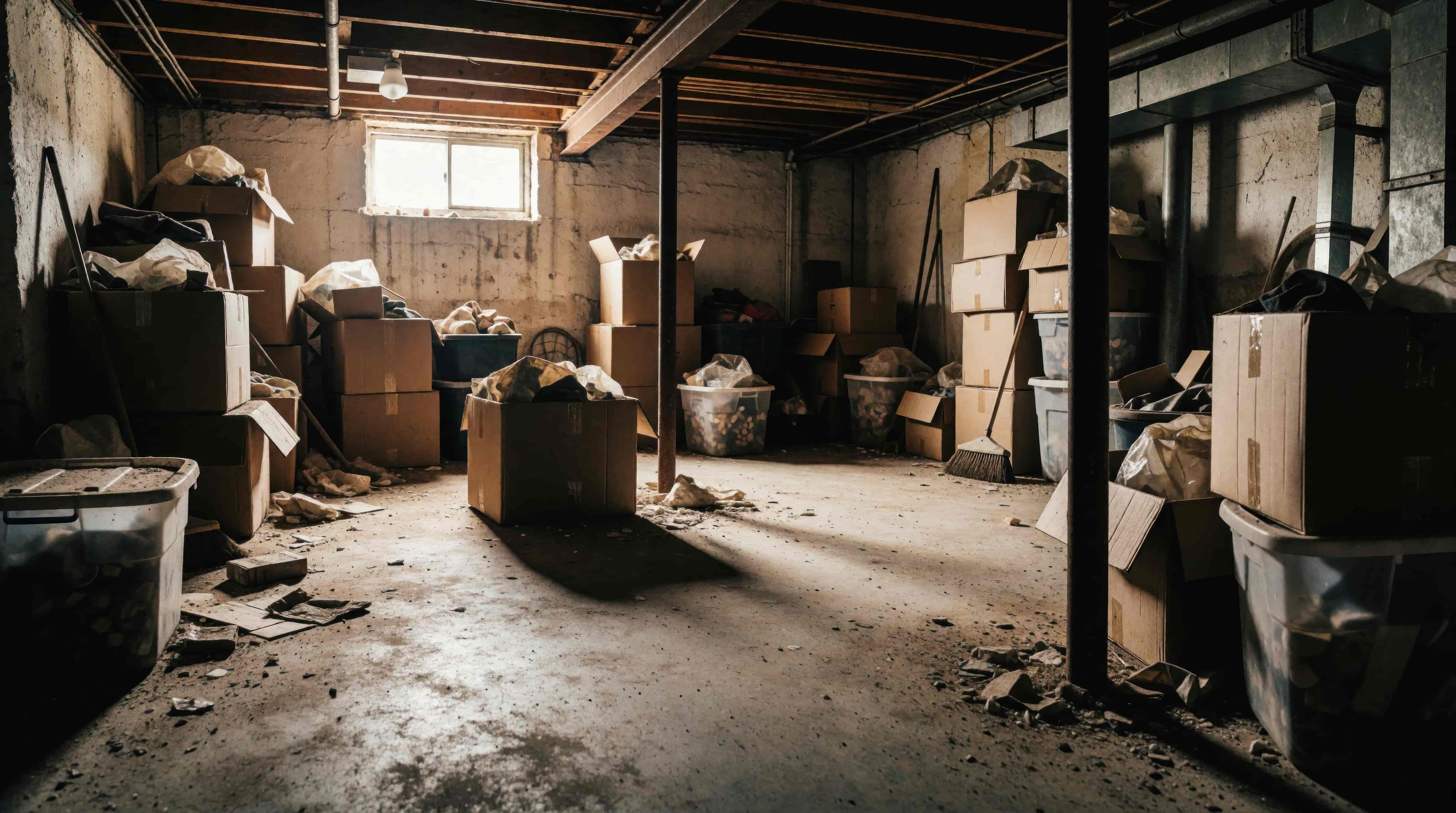
London has over 3.5 million households, and a significant proportion of those are flats — many of them in older buildings that were never designed with modern waste management in mind. Narrow hallways, no external storage space, restricted access for bin lorries, and shared communal areas all create a perfect storm for waste build-up.
The result? Rubbish piling up inside the flat, cluttering hallways, or being left in areas that attract pests and complaints from neighbours.
Before exploring solutions, it's worth clarifying what London councils are — and aren't — required to provide.
Under the Environmental Protection Act 1990 and guidance from the Department for Environment, Food & Rural Affairs (DEFRA), local authorities in England have a duty to collect household waste — but how this applies to flats varies significantly by borough.
| Situation | Council Responsibility |
|---|---|
| Flat in a purpose-built block with communal bins | Council collects from communal bin store |
| Flat in a converted house with individual bins | Typically treated like a house — kerbside collection |
| Flat with no bin provision at all | Grey area — resident or landlord must arrange collection |
| Flat where access prevents lorry collection | Council may offer alternative arrangements |
Key insight: If your flat has no bin storage and no communal area, your local council may still be obliged to help — but you may need to formally request it. Contact your borough's waste services team to clarify your entitlement.
This is a question that causes enormous confusion. In most cases:
If you're in a leasehold flat, your managing agent or freeholder typically manages waste arrangements as part of the service charge. If communal bins are inadequate or missing, this should be escalated to them directly — and in writing.
Each of London's 33 boroughs handles waste differently. Some — like Camden, Tower Hamlets, and Southwark — have specific provisions for flats and high-density housing. Others may be less proactive.
What to do:
Most London councils offer free bulky waste collection (with limits) — typically one or two bookings per year for items like mattresses, sofas, or white goods. However, slots can be limited and waiting times can stretch to several weeks.
London has a network of Household Waste Recycling Centres (HWRCs) — also known as tips or civic amenity sites — where residents can drop off waste free of charge.
You can typically take:
Limitations for flat residents:
If you're renting, your landlord has a responsibility to ensure the property is habitable and legally compliant. A lack of waste storage provision can fall under housing standards regulations.
Steps to take:
For leaseholders, raise the issue through your Residents' Management Company or Right to Manage Company if one exists.
For flat residents dealing with a build-up of waste — whether from a house move, a clear-out, or ongoing accumulation — private rubbish removal is often the fastest, most practical solution.
A professional rubbish collection service in London will:
This is particularly valuable in situations where:
📦 Need your flat's rubbish collected quickly? Our household rubbish removal service offers fast, reliable, and affordable collection across all London boroughs — with no hidden fees and same-day availability.
Several companies now offer scheduled or on-demand bag collection for flat residents — a subscription-style service where bags are left at an agreed point and collected regularly. This can work well for ongoing waste management in blocks where communal provision is poor.
Pros:
Cons:
If you live in a block where multiple residents face the same problem, a coordinated approach is often more effective.
Options to explore:
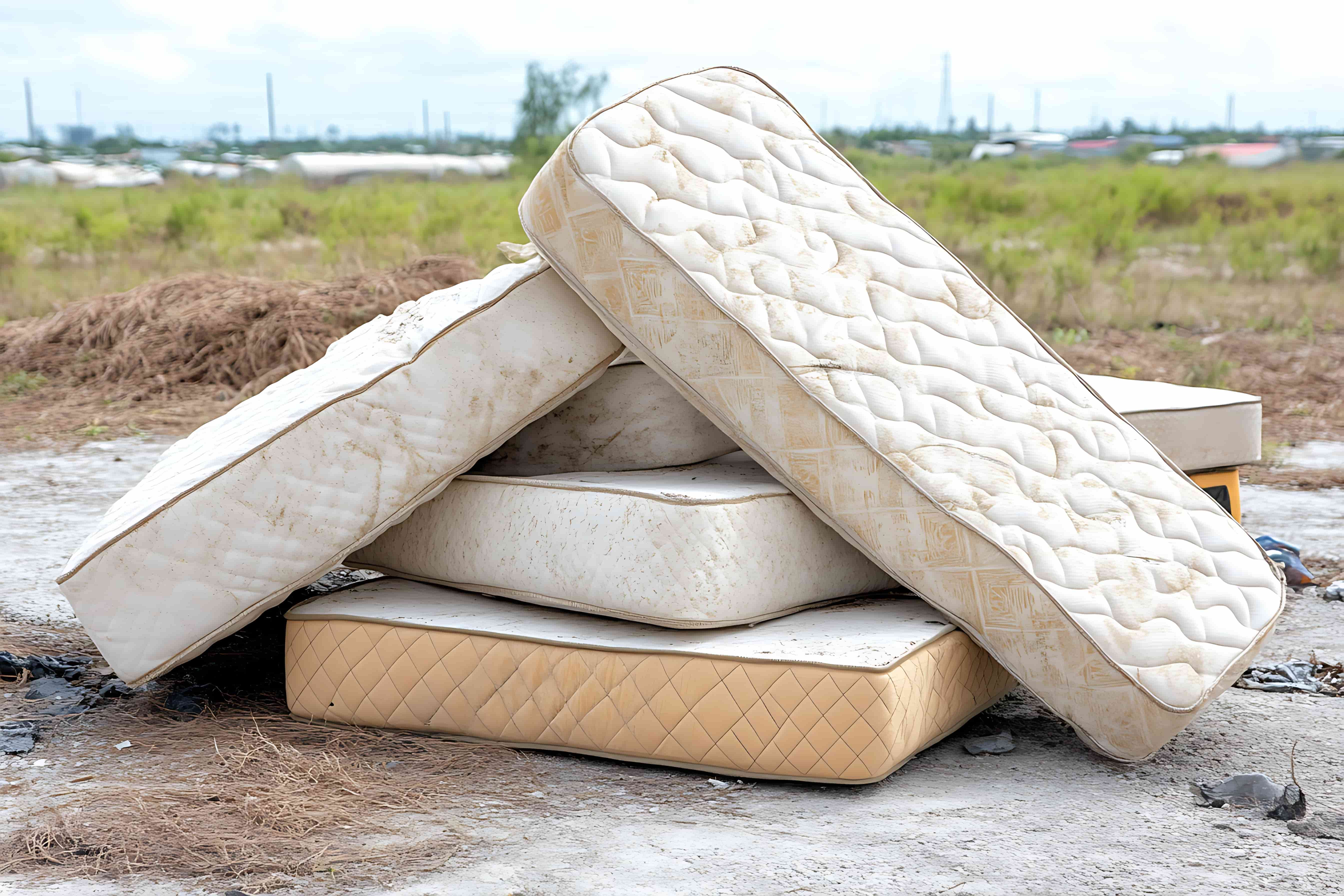
Bulky items are the biggest headache for flat residents. Leaving them in hallways is a fire safety risk. Taking them down stairs is physically demanding. And most councils have limited collection slots.
Best options:
After a house move, the volume of cardboard, bubble wrap, and packaging can be overwhelming — especially with no external bin space.
What to do:
Most London boroughs now offer food waste collections. If your building doesn't participate, check whether your council provides a caddy and collection bags for flat residents — many do, even if the information isn't prominently advertised.
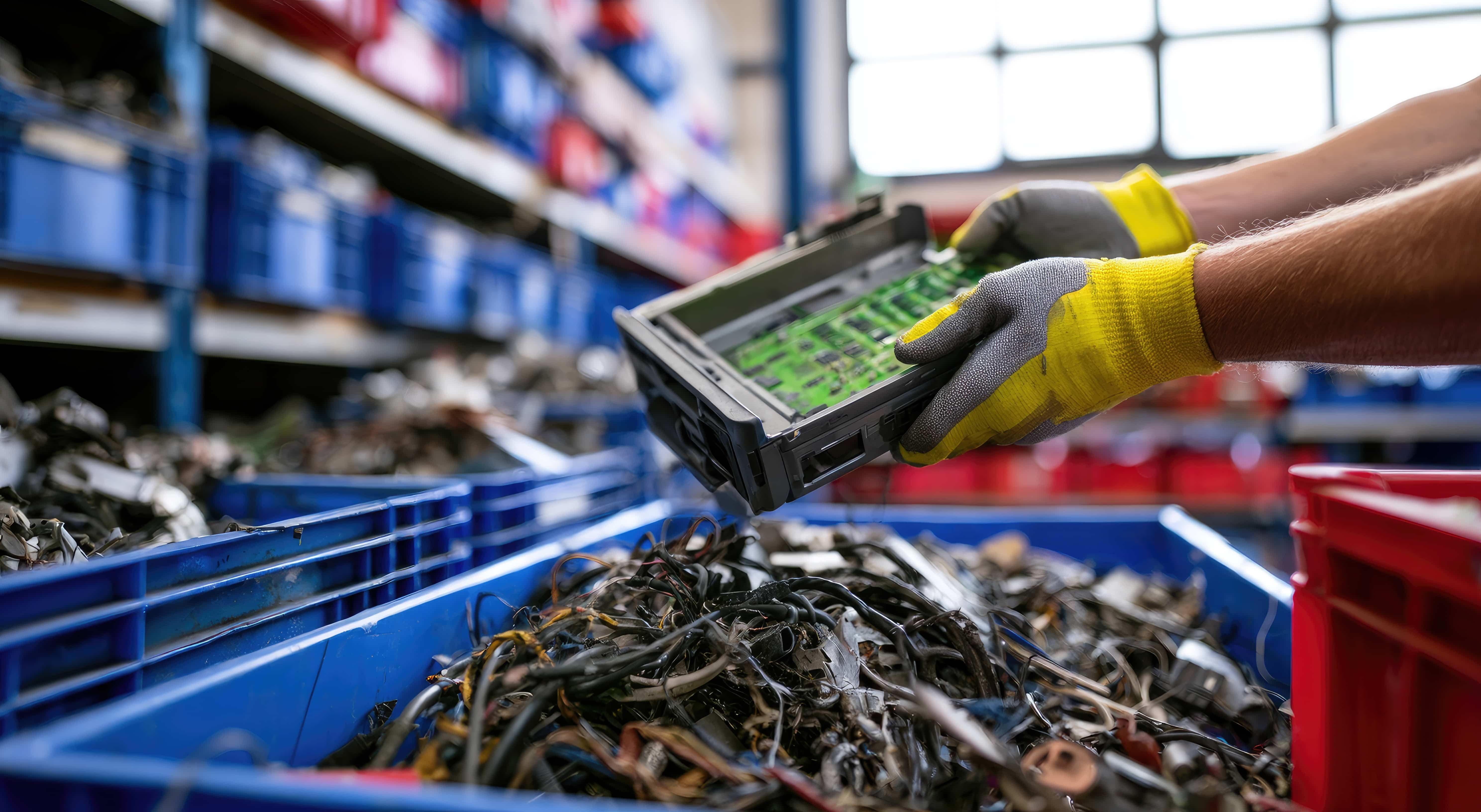
Old phones, laptops, cables, and appliances must not go in general waste. Options include:
One of the first questions flat residents ask is: how much will it cost?
The answer depends on the volume of waste, the type of items, and access considerations (e.g., a fifth-floor flat with no lift). Here's a general guide:
| Service Type | Approximate Cost (London) |
|---|---|
| Single bulky item removal (e.g., sofa) | £50 – £100 |
| Small flat clear-out (partial load) | £80 – £150 |
| Full flat clear-out | £150 – £350+ |
| Post-move rubbish removal | £100 – £250 |
| Ongoing scheduled collections | From £30/month |
Tip: Always get a quote that includes labour, disposal fees, and VAT. Reputable providers should provide transparent, all-inclusive pricing with no nasty surprises.
❌ Leaving rubbish in communal hallways — this is a fire hazard and can result in fines from your council or landlord
❌ Fly-tipping — illegal, carries fines of up to £400 on the spot (or unlimited fines through court), and can be traced back to you through documents in the waste
❌ Using public litter bins for household waste — this is illegal under the Environmental Protection Act 1990
❌ Assuming the council will collect anything from anywhere — collections are structured and often require advance booking or specific presentation
❌ Ignoring the problem — waste build-up attracts pests, creates health hazards, and can result in complaints and action from your landlord or council
Not entirely — councils have a statutory duty to collect household waste. However, the method of collection (kerbside, communal bins, sack collection) varies. If your flat has no provision, contact your council's waste team to discuss what arrangements they can make.
Booking a private rubbish removal service is typically the fastest option, with many companies offering same-day or next-day collection across London. This is particularly useful for bulky items or large volumes of waste.
It depends on your borough's rules and your building's waste arrangements. In many areas, leaving bags outside at the wrong time or in the wrong place can result in a fixed penalty notice. Check your council's guidance and always use designated collection points.
First, contact your managing agent or freeholder — they are responsible for the communal waste provision. If this doesn't resolve the issue, contact your local council's environmental health or waste team. Persistent overflowing bins can be reported as a statutory nuisance.
Yes, but it's complicated. Skips require a council permit to be placed on a public road, and in many London streets, space and permit availability are limited. For flat residents, a rubbish removal service is often more practical, cost-effective, and accessible than hiring a skip.
Most professional services will collect general household waste, furniture, mattresses, white goods, electronics, garden waste, and renovation debris. Always confirm what's included when booking, and check that the company is a licensed waste carrier registered with the Environment Agency.
Look for companies registered as licensed waste carriers with the Environment Agency. Reputable providers of waste management services are fully licensed, insured, and transparent about their disposal methods.
Don't let waste pile up and cause stress, safety risks, or complaints. Whether you need a one-off flat clear-out, bulky item removal, or post-move rubbish collection anywhere in London, the team is ready to help.
✅ Same-day and next-day availability
✅ All London boroughs covered
✅ Licensed, insured, and fully compliant
✅ Transparent pricing — no hidden fees
✅ We handle the heavy lifting, so you don't have to
Get a free, no-obligation quote today →
London Rubbish Collection is a licensed waste carrier operating across all London boroughs. We specialise in domestic and commercial rubbish removal, flat clear-outs, post-move collections, and bulky item disposal.
Get a free, no-obligation quote today — fully licensed, same-day collection available 7 days a week.

A complete guide to recycling old computers...
24 Apr 2025
Top 5 Ways to Dispose of a Microwave Oven...
06 Sep 2024
Top Ways on How to Get Rid of a Mattress...
30 Jul 2024
Top Innovative Ideas for Recycling...
30 Jul 2024