How to Dispose of Old Kitchen Cabinets and Worktops in London

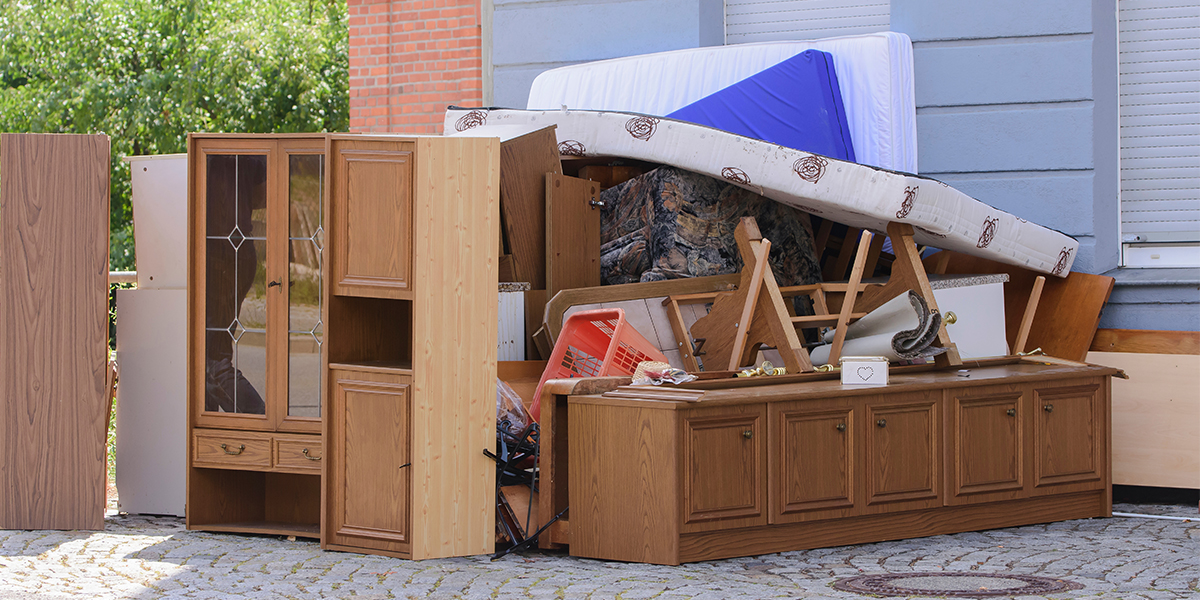
Renovating your kitchen is exciting — but once the new units arrive, you're often left staring at a pile of old cabinets, broken worktops, hinges, handles, and timber boards that need to go somewhere. If you're in London, navigating disposal options can feel surprisingly complex.
This guide covers every legitimate, cost-effective, and eco-conscious method to dispose of old kitchen cabinets and worktops in London — from professional rubbish collection and council services to donation, reuse, and recycling. Whether you're a homeowner, landlord, or contractor, you'll find the right solution here.
Quick Answer: For most households, the best option is a licensed same-day or next-day collection service because kitchen units are bulky, heavy, and often mixed-material waste. If your cabinets are reusable, donation is usually the most sustainable route. If you can transport the waste yourself, your local HWRC can be the cheapest option.
In short: use professional collection for speed and convenience, use council or HWRC for lower cost, and donate where condition allows.
Kitchen cabinet and worktop disposal demand is high across Inner and Outer London, especially in boroughs with frequent refurbishments such as Camden, Westminster, Islington, Southwark, Wandsworth, Hackney, Barnet, and Croydon. Access, parking, stairs, and controlled zones can all affect collection speed and final cost.
If your property has limited loading access, booking an appropriate collection slot in advance helps avoid delays and repeat visits.
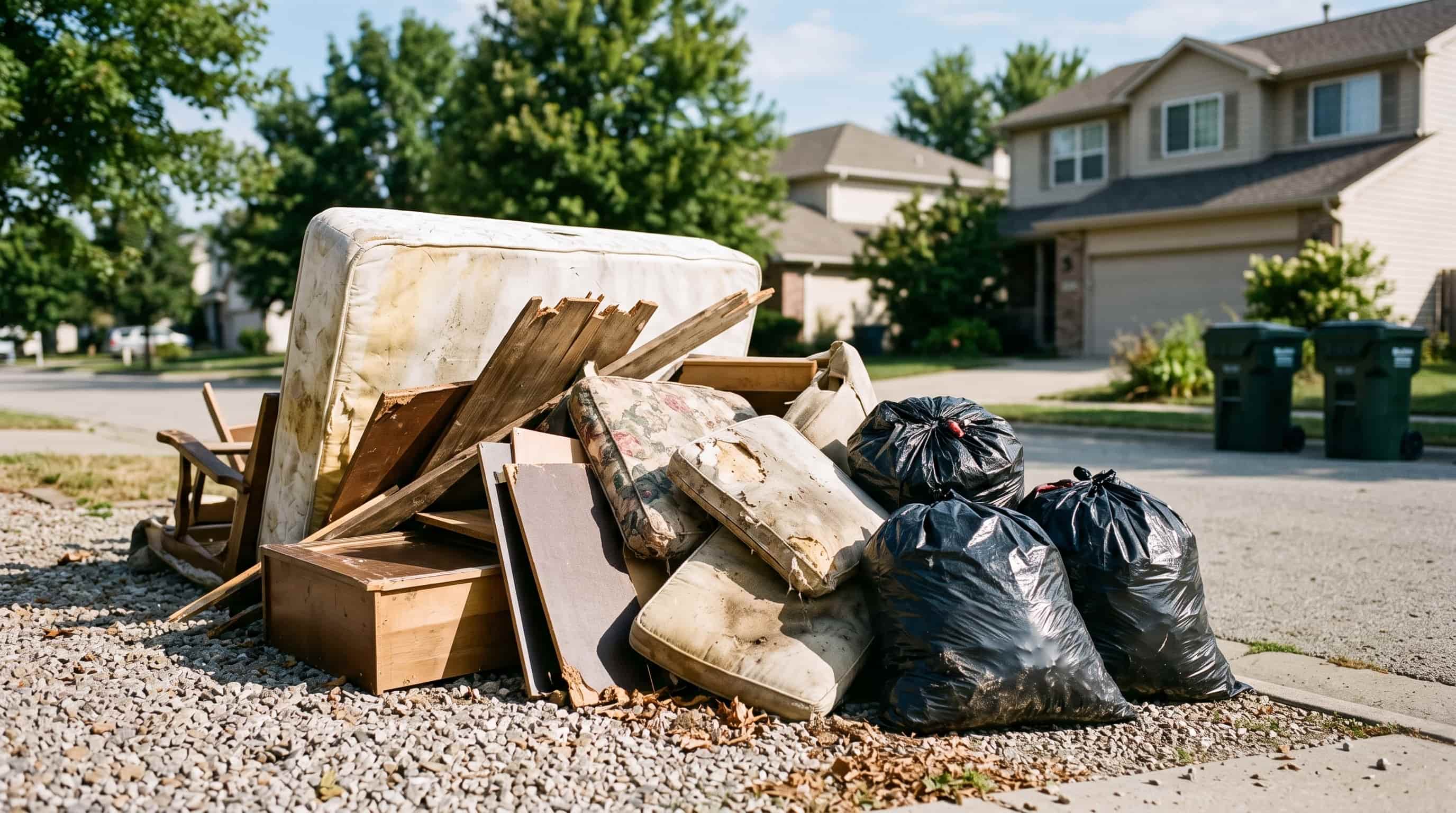
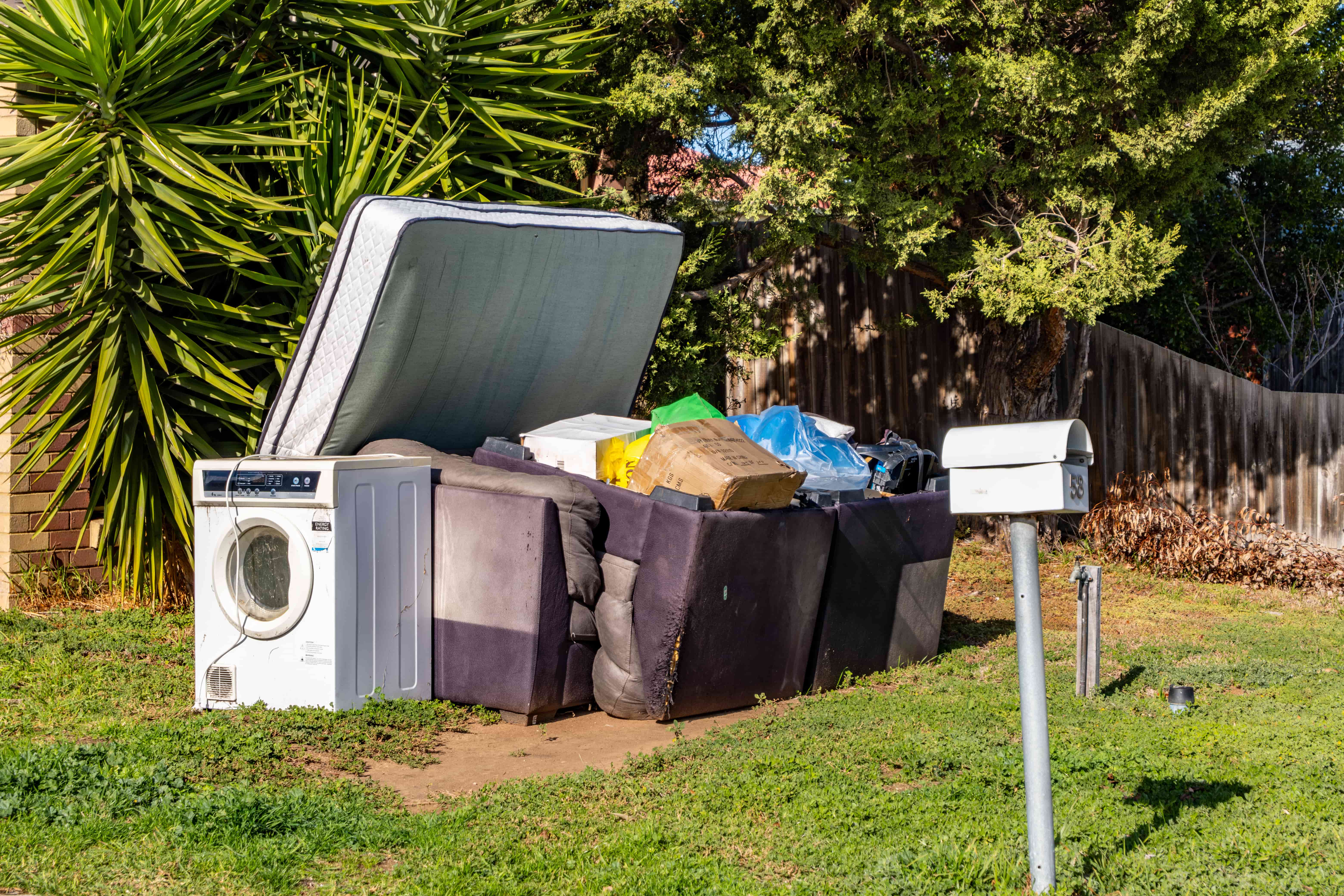
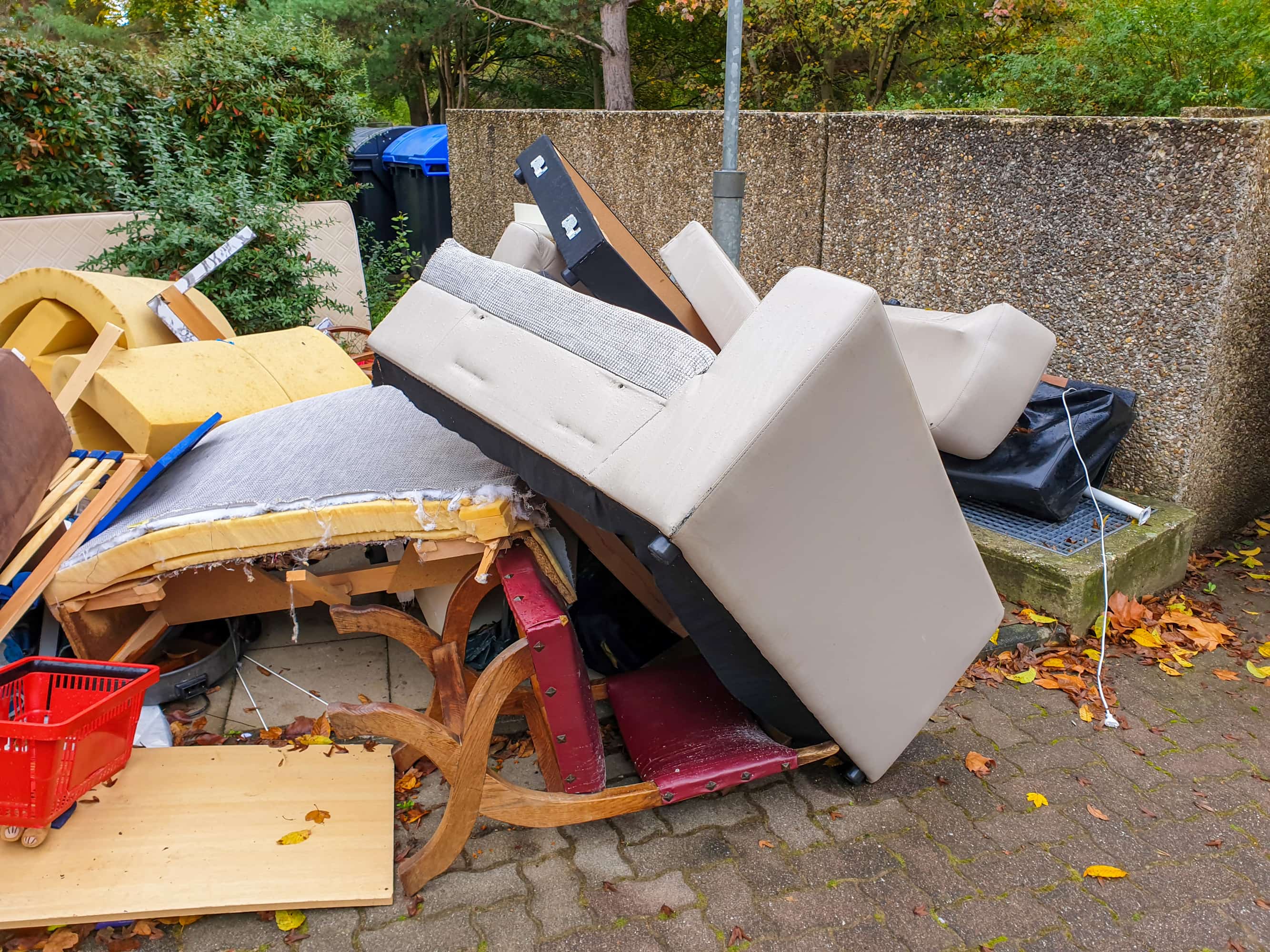
Fly-tipping remains one of London's most persistent environmental problems. According to DEFRA data, local authorities in England deal with over 1 million fly-tipping incidents per year, with bulky household waste — including kitchen furniture — among the most common materials illegally dumped.
Beyond the environmental impact, illegal dumping of kitchen units can carry fines of up to £400 on the spot, or up to £50,000 and a prison sentence if prosecuted in court under the Environmental Protection Act 1990.
Disposing of your old kitchen responsibly isn't just good practice — it's a legal obligation.
Before choosing a disposal method, it helps to understand what materials you're dealing with:
Each material type has its own recycling or disposal pathway, which affects the method you choose.
The fastest, most hassle-free option for most London homeowners and contractors is booking a professional rubbish collection service. A specialist team will come to your property, load all the kitchen waste, and dispose of it legally and responsibly — including recycling where possible.
Why it's the most popular choice:
London Rubbish Collection provides professional kitchen waste removal across all London boroughs, including same-day collection for urgent clearances. Get a free quote for same-day collection →
Typical cost range: £100–£350+ depending on volume, material weight, and access to your property.
Every London borough offers a bulky waste collection service for large household items. However, there are important limitations to be aware of:
| Factor | Details |
|---|---|
| Cost | Typically £15–£40 per item or per collection (varies by borough) |
| Waiting time | Can be 1–4 weeks depending on demand |
| Item limits | Many boroughs cap the number of items per booking |
| Stone/granite worktops | Often refused due to excessive weight |
| Access requirements | Items must be placed at the kerbside |
| Coverage | Available in all 32 London boroughs + City of London |
Best for: Small amounts of lightweight cabinet doors or shelving when you have flexibility on timing.
Not ideal for: Full kitchen strip-outs, heavy stone worktops, or urgent clearances.
If you want a faster private option, a bulky waste collection service is usually more flexible than council slots.
To book, search your specific borough council website (e.g., Tower Hamlets, Wandsworth, Hackney) for "bulky waste collection."
London has numerous Household Waste Recycling Centres (HWRCs) — commonly called "the tip" — managed by local authorities. These are free to use for residents and accept most kitchen waste including cabinets and worktops.
Key points:
Limitations:
Popular London HWRCs include:
If your cabinets and worktops are still in reasonable condition, donating or selling them is the most sustainable option — and it could save someone else significant money.
Where to donate kitchen cabinets in London:
Where to sell:
What sells or gets taken:
What's harder to rehome:
Hiring a skip is a practical option for large-scale kitchen renovations, especially if you also have other construction or renovation waste to dispose of.
If the project includes mixed renovation debris, building waste clearance can be easier than managing skip permits and collection windows.
Skip hire considerations for London:
| Factor | Details |
|---|---|
| Cost | Typically £200–£450 for a mini or midi skip (2–5 days hire) |
| Permit required? | Yes, if placed on a public road or pavement (approx. £60–£80) |
| Size needed | 4–6 yard skip for a standard kitchen clearance |
| Heavy materials | Granite/stone worktops may require a separate heavy waste surcharge |
| Restricted items | Electrical items, asbestos, and hazardous materials are excluded |
| Space required | A driveway or accessible parking area is needed |
Pros of skip hire:
Cons of skip hire:
If you have time and the right resources, breaking down your kitchen into individual materials for recycling is the most eco-friendly approach.
Material recycling guide:
| Material | Recycling Method |
|---|---|
| Solid wood cabinets | HWRC wood skip, donate, sell for upcycling, or book wood waste collection |
| MDF / chipboard | HWRC general or wood skip (not always accepted for recycling) |
| Laminate worktops | HWRC general waste (limited recycling options) |
| Granite / quartz worktops | HWRC, stone recyclers, or donate (high demand second-hand) |
| Metal hinges / handles | Scrap metal dealer or HWRC metals skip |
| Ceramic tiles | HWRC or specialist tile recyclers |
| Sinks (stainless steel) | Scrap metal dealer — can generate small cash return |
| Glass cabinet doors | HWRC glass skip |
Whether you're booking a professional collection or taking items to the tip yourself, a little preparation makes the process much smoother.
If your kitchen is in a property built before 2000, there is a risk that artex ceilings, floor tiles, or pipe insulation may contain asbestos. Kitchen cabinets themselves rarely contain asbestos, but disturbing surrounding materials during a strip-out could pose risks.
If you suspect asbestos:
| Method | Typical Cost | Speed | Best For |
|---|---|---|---|
| Professional rubbish collection | £100–£350+ | Same/next day | Full kitchen clearances |
| Council bulky waste | £15–£40 | 1–4 weeks | Small volumes, residents |
| HWRC (tip) | Free | Immediate (self-transport) | DIY-minded homeowners |
| Skip hire | £200–£450+ | Next day setup | Large renovations |
| Donation / sale | Free (or earn money) | Variable | Good-condition units |
| Recycling individually | Free–£20 (transport) | Variable | Eco-conscious disposal |
When disposing of kitchen waste, using a licensed waste carrier registered with the Environment Agency is not just recommended — it's legally required under the Duty of Care regulations for waste producers.
A reputable service will:
London Rubbish Collection is a fully licensed waste carrier serving all London boroughs. Our team specialises in kitchen clearances, offering professional, eco-friendly disposal with same-day availability. Book your household rubbish removal →
Our kitchen cabinet and worktop collection teams operate across all 33 London boroughs, including:
Need old units removed urgently? Call 020 3745 1098 for same-day availability.
The cost varies by method. Professional rubbish collection typically costs £100–£350+ depending on volume and materials. Council bulky waste services charge £15–£40 per booking. Using your local HWRC (tip) is free but requires you to transport items yourself.
No. Kitchen cabinets are bulky items that cannot go in your standard household bin. You'll need to use a bulky waste collection service, HWRC, or a professional rubbish removal company.
Most London councils offer bulky waste collections for a fee, but heavy stone worktops (granite, quartz, marble) are often refused due to weight. A professional rubbish collection service is usually the better option for heavy worktops.
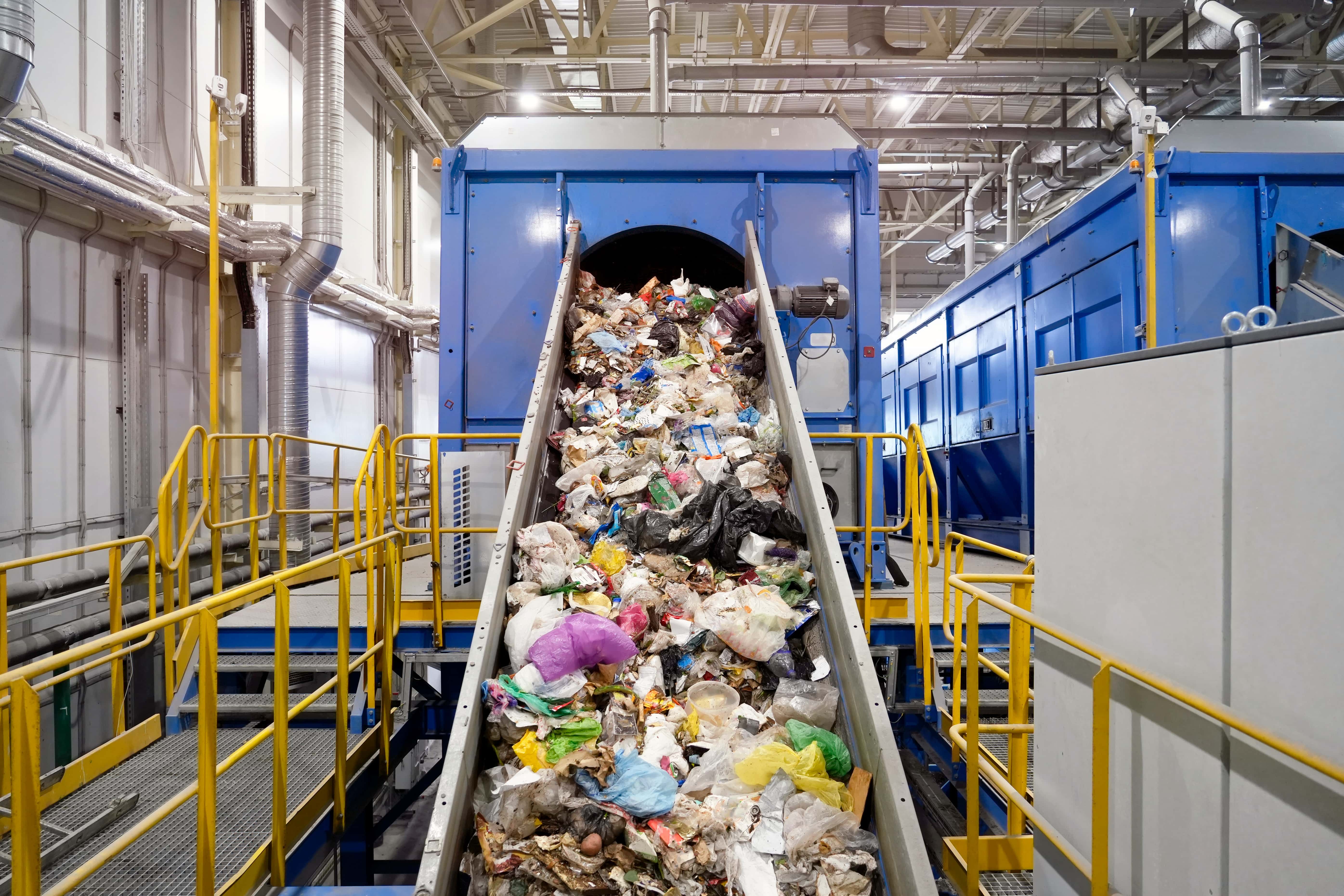
A reputable collection company sorts materials at a licensed waste transfer station. Wood is often sent for recycling or biomass energy, metals are recycled, and usable units may be donated. In most cases, 70–80% of kitchen waste can be diverted from landfill.
Yes. Leaving kitchen units on the pavement or public land without authorisation constitutes fly-tipping under the Environmental Protection Act 1990. Fines start at £400 and can escalate to prosecution with unlimited fines or imprisonment.
You can verify whether a waste carrier is licensed using the Environment Agency's public register at environment.data.gov.uk. Always ask for a carrier's waste carrier licence number before booking.
Yes, if the cabinets are in reasonable condition. Charities such as Emmaus London, Habitat for Humanity ReStores, and the British Heart Foundation accept kitchen furniture. Facebook Marketplace and Freecycle are also effective for rehoming usable units quickly.
Yes, if the skip will be placed on a public road or pavement, you need a skip permit from your local council. If the skip is on your private driveway, no permit is required. Permit costs are typically £60–£80 in London.
Yes — same-day and next-day kitchen clearance is available across London for most properties, subject to access, load size, and booking time.
London Rubbish Collection provides professional, fully licensed kitchen clearance and rubbish removal services across all London boroughs. Call 020 3745 1098 for a free quote.
Get a free, no-obligation quote today — fully licensed, same-day collection available 7 days a week.

A complete guide to recycling old computers...
24 Apr 2025
Top 5 Ways to Dispose of a Microwave Oven...
06 Sep 2024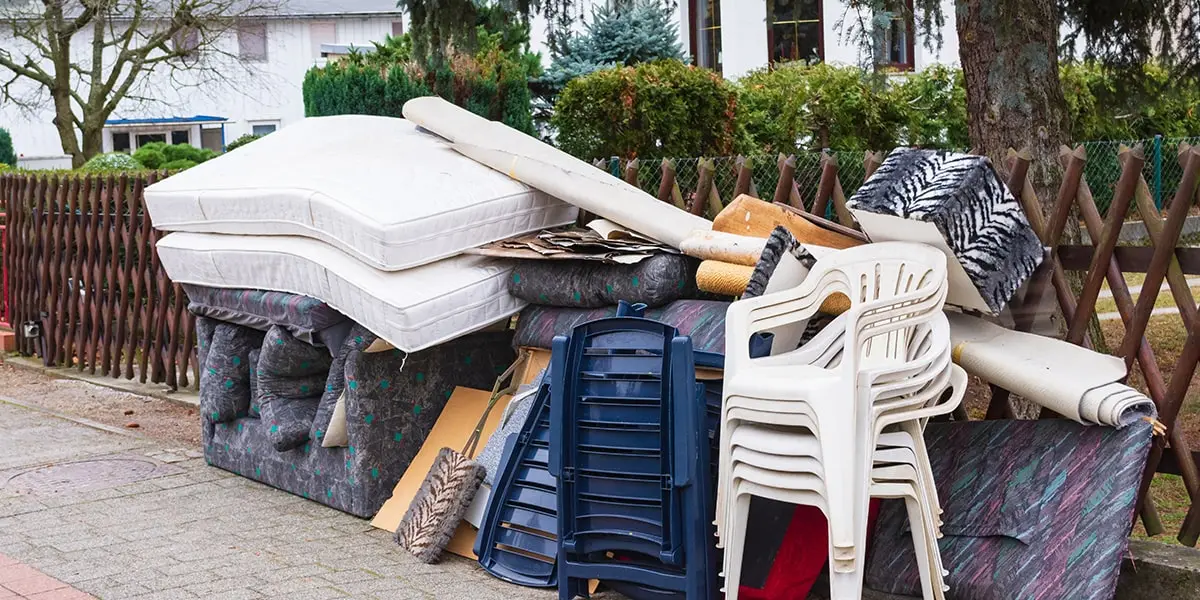
Top Ways on How to Get Rid of a Mattress...
30 Jul 2024
Top Innovative Ideas for Recycling...
30 Jul 2024