Bulky Waste Collection in London: What to Do When Your Council Can't Collect It
You've finally decided to get rid of that broken sofa, the old washing machine, or the mattress that's been blocking the hallway for weeks. You contact your local council expecting a simple solution — only to find there's a three-week wait, a strict item limit, or a charge that catches you off guard.
Sound familiar? You're not alone. Thousands of London residents hit the same wall every month.
This guide walks you through every realistic option for bulky waste collection in London — what your council can and can't do, when a professional rubbish collection service makes more sense, what it costs, and how to make the right decision for your situation.
If your council cannot collect your bulky items in time, the most reliable alternative is to use a licensed bulky waste collection service in London that offers inside-property collection, flexible booking, and compliant disposal.
For most residents, the decision is simple:
This guide is designed for people who need large item disposal in London and are dealing with one or more of these scenarios:
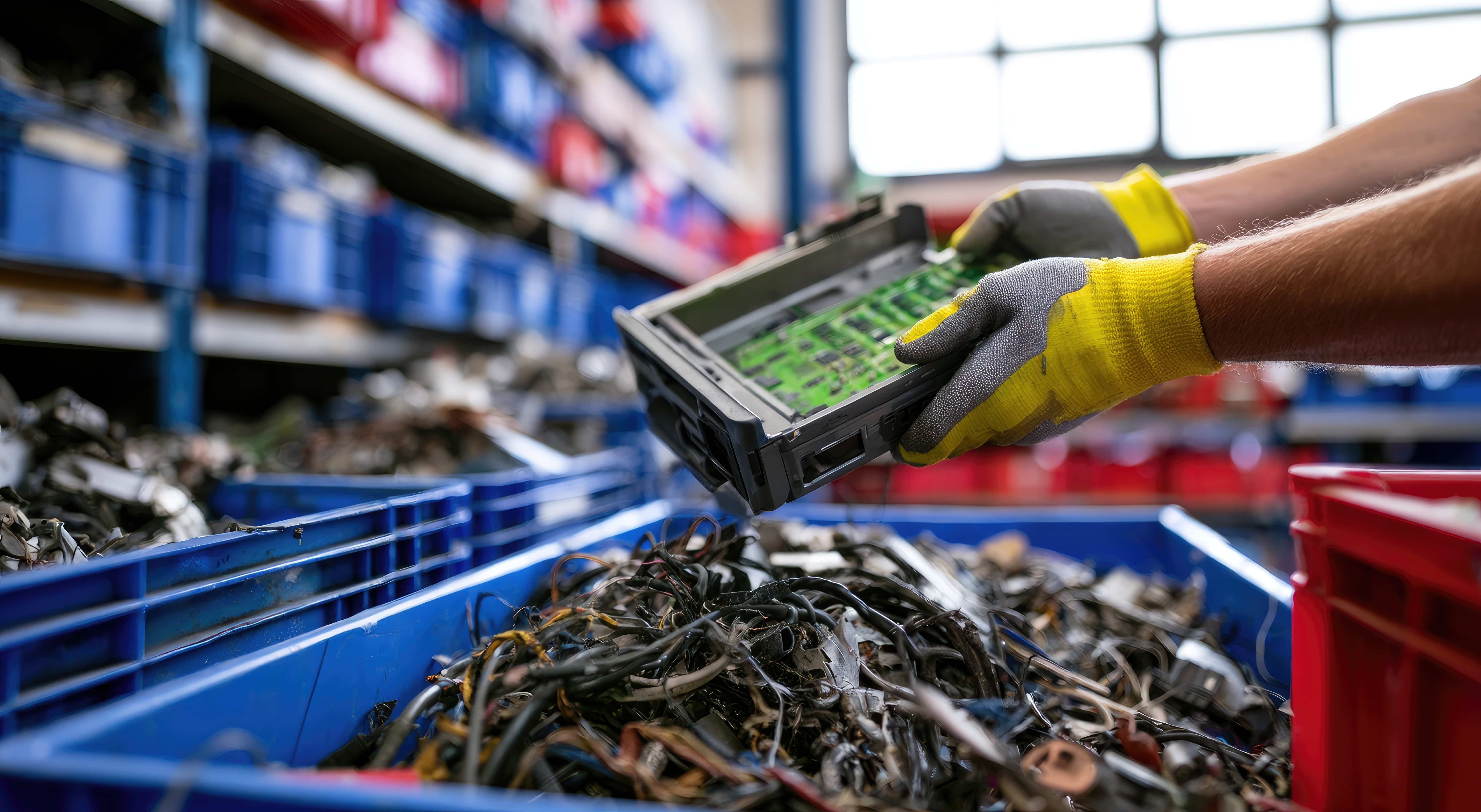
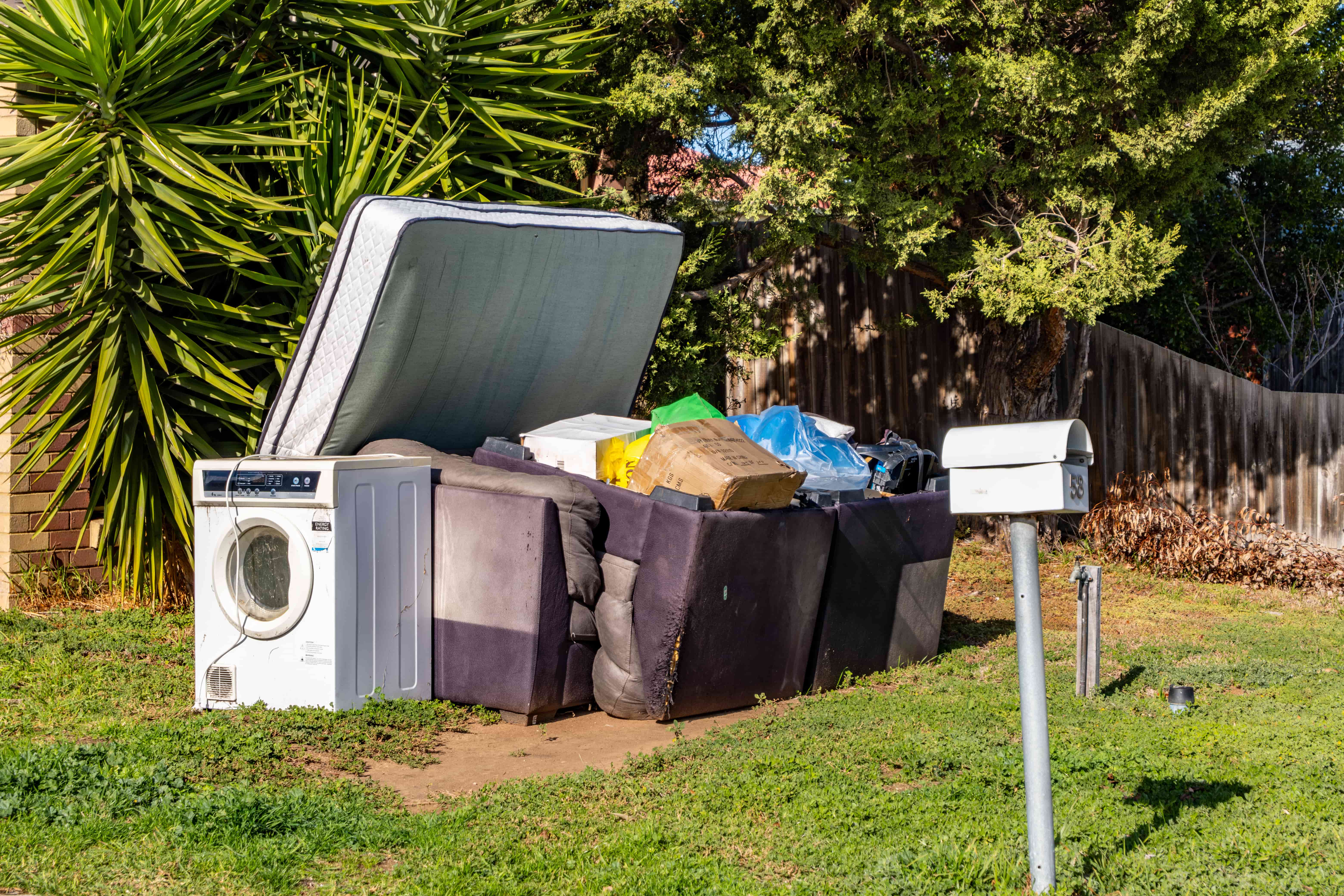
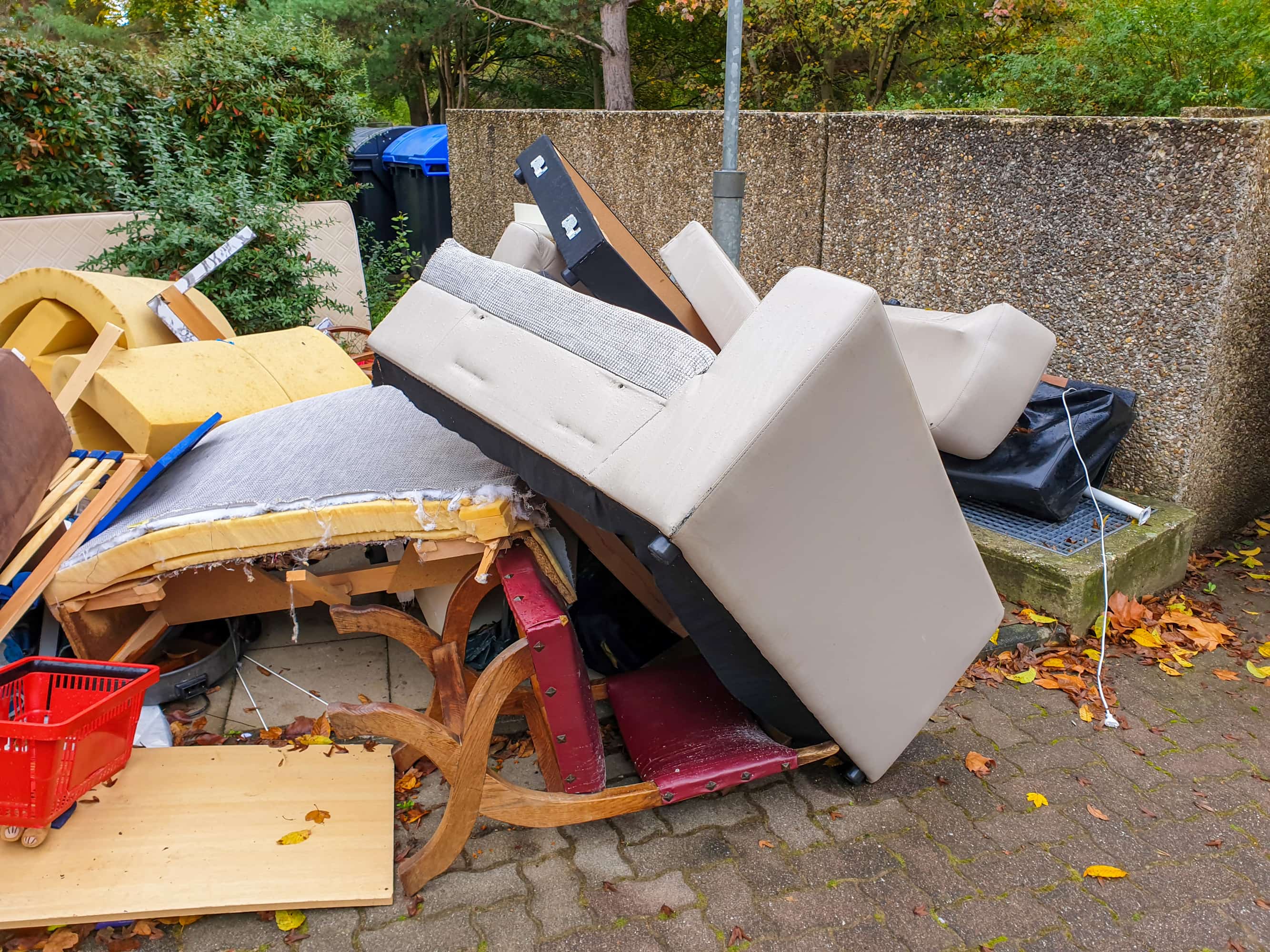
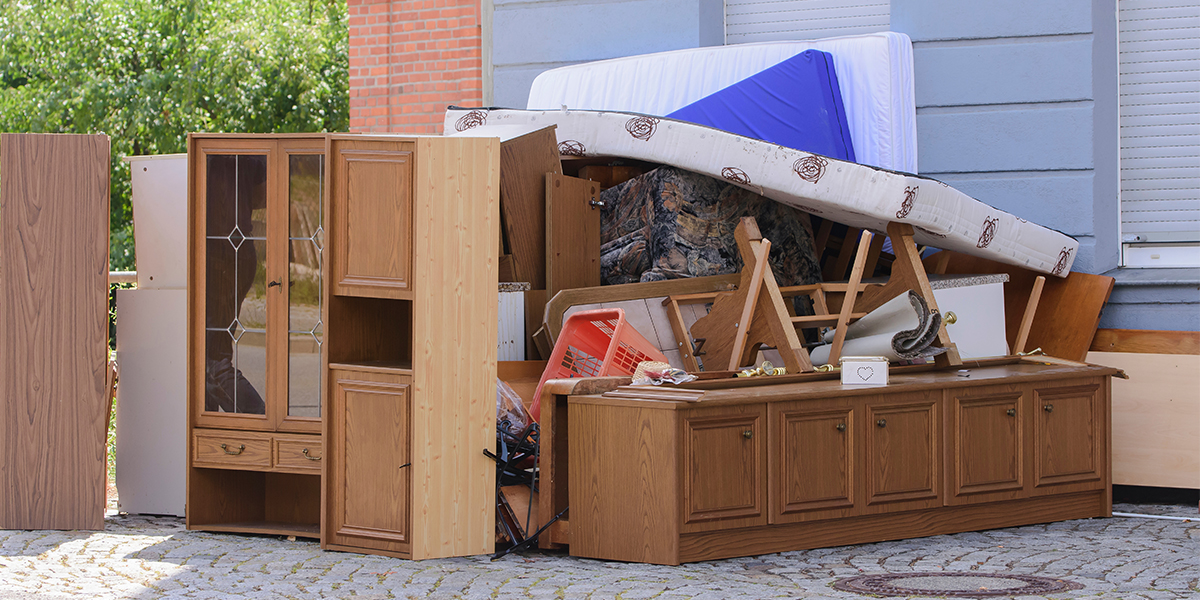
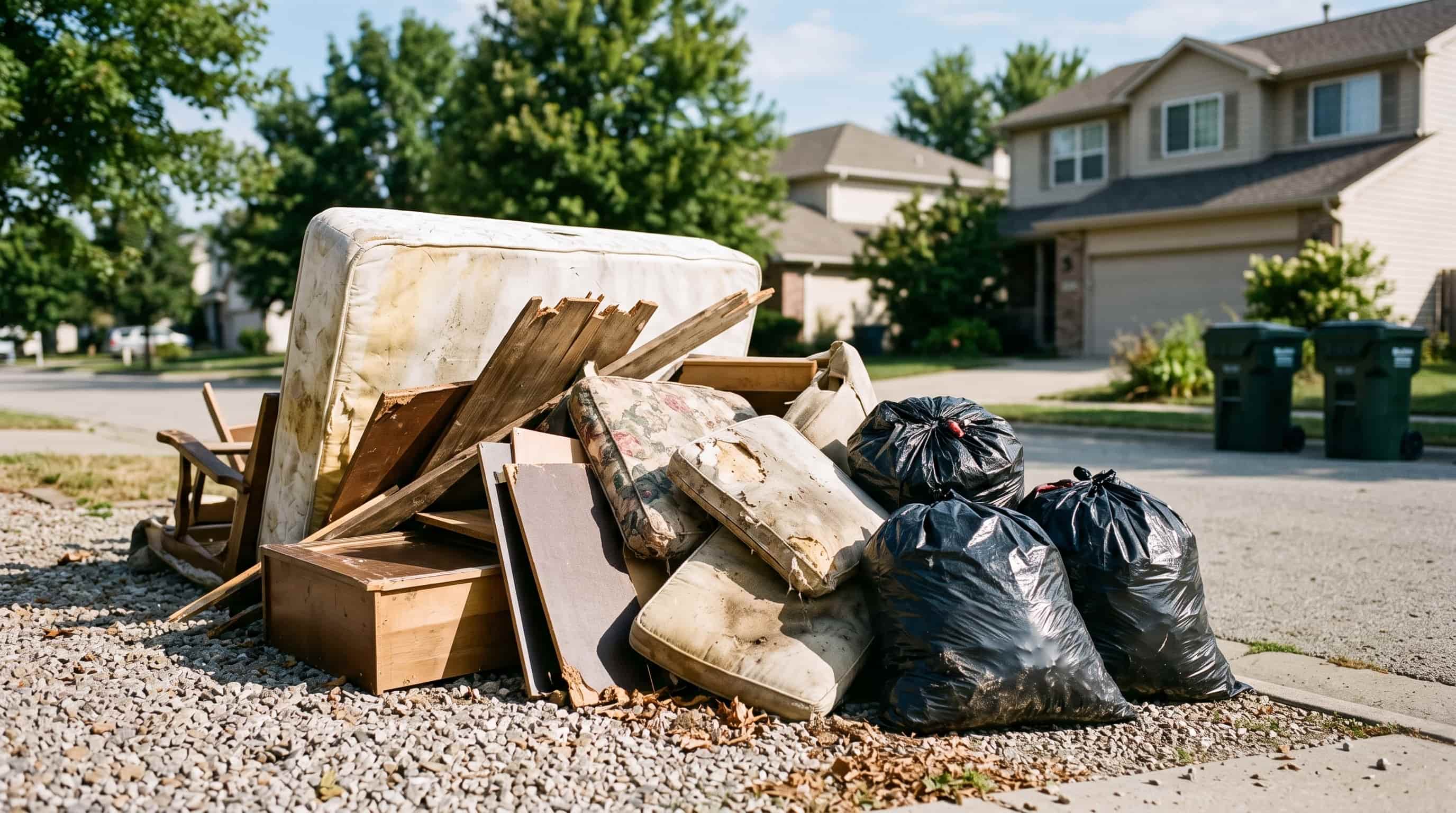
Bulky waste refers to large items that are too big or heavy for standard kerbside bin collections. These typically include:
In London, bulky waste disposal is a genuine challenge. The city's dense housing stock, narrow streets, and high population density mean that standard waste services are often stretched — and individual councils handle bulky collections very differently.
London has 32 boroughs plus the City of London, and each runs its own waste services. This means there is no single London-wide policy on bulky waste — your experience will depend entirely on where you live.
Most London councils provide a paid bulky waste collection service for residents. Typically:
| Borough Example | Cost Per Collection | Items Included | Wait Time |
|---|---|---|---|
| Hackney | From £30 | Up to 3 items | 2–4 weeks |
| Lambeth | From £25 | Up to 5 items | 1–3 weeks |
| Tower Hamlets | From £20 | Up to 3 items | 2–3 weeks |
| Camden | From £35 | Up to 4 items | 2–4 weeks |
| Lewisham | From £20 | Up to 5 items | 1–2 weeks |
Note: Prices and policies change frequently. Always check your council's website for current rates.
Despite offering the service, London councils frequently cannot or will not collect bulky waste in these situations:
If you've hit any of these walls, you're in good company — and you have better options available.
This is the most efficient and flexible solution for the majority of Londoners dealing with large items. A professional rubbish collection service like bulky waste collection in London can:
Why this matters: Fly-tipping is illegal in London and carries fines of up to £400 on the spot, or unlimited fines and up to 12 months in prison for serious cases. Using a licensed waste carrier protects you legally.
Skip hire is a well-known option, but it comes with significant limitations in London:
Skip hire makes more sense for large-scale clearances (e.g., a full house clearance or renovation project) rather than removing a few bulky items.
Before arranging disposal, consider whether your items have remaining life in them:
This option works well for items in reasonable condition, but it isn't suitable for broken, stained, or end-of-life items.
London has a network of Household Waste Recycling Centres (commonly called tips or dumps) where you can drop off bulky items yourself for free.
Key considerations:
HWRCs are a cost-effective option if you have access to a suitable vehicle and time to make the trip.
Use this quick decision framework:
This helps you avoid overpaying, delayed clearances, and accidental non-compliance.
| Factor | Council Collection | Professional Service |
|---|---|---|
| Speed | 1–4 weeks typical | Same day or next day |
| Item limit | Usually 3–5 items | Unlimited |
| Collection point | Kerbside/external only | Inside your property |
| Item types covered | Varies by borough | Comprehensive |
| Fridges/WEEE | Often excluded | Usually included |
| Commercial properties | Not eligible | Eligible |
| Cost | £20–£50 typically | £60–£300+ depending on volume |
| Legal compliance | Yes | Yes (if licensed carrier) |
| Flexibility | Low | High |
Bottom line: Council collection is cheapest when you can wait, have few items, and your borough accepts what you need to remove. For anything more complex, a professional service delivers better value for the time and stress saved.
Professional rubbish removal pricing in London is typically based on volume (the amount of space your waste fills in the collection vehicle). Here's a general guide:
| Load Size | Approximate Cost | Suitable For |
|---|---|---|
| Minimum/single item | £60–£100 | 1–2 bulky items (e.g., one sofa) |
| Quarter load | £100–£160 | Small clearance, 3–5 items |
| Half load | £160–£250 | Medium clearance, furniture set |
| Full load | £280–£450+ | Full room or house clearance |
Prices vary by company, location within London, and item types. Always request a fixed quote before booking.
A reputable London rubbish removal service should include:
Under the Environmental Protection Act 1990, anyone who produces, carries, keeps, or disposes of waste has a legal duty of care. If you hire someone to collect your rubbish, you are responsible for ensuring they are a licensed waste carrier.
How to verify a waste carrier licence:
Using an unlicensed carrier — including someone who offers to "take it away for cash" — can result in fines for you as the waste producer if the waste is fly-tipped.
Fridges and freezers contain refrigerant gases (F-gases) that must be safely extracted by a qualified engineer before disposal. Only take these to licensed facilities or use a service that confirms proper handling.
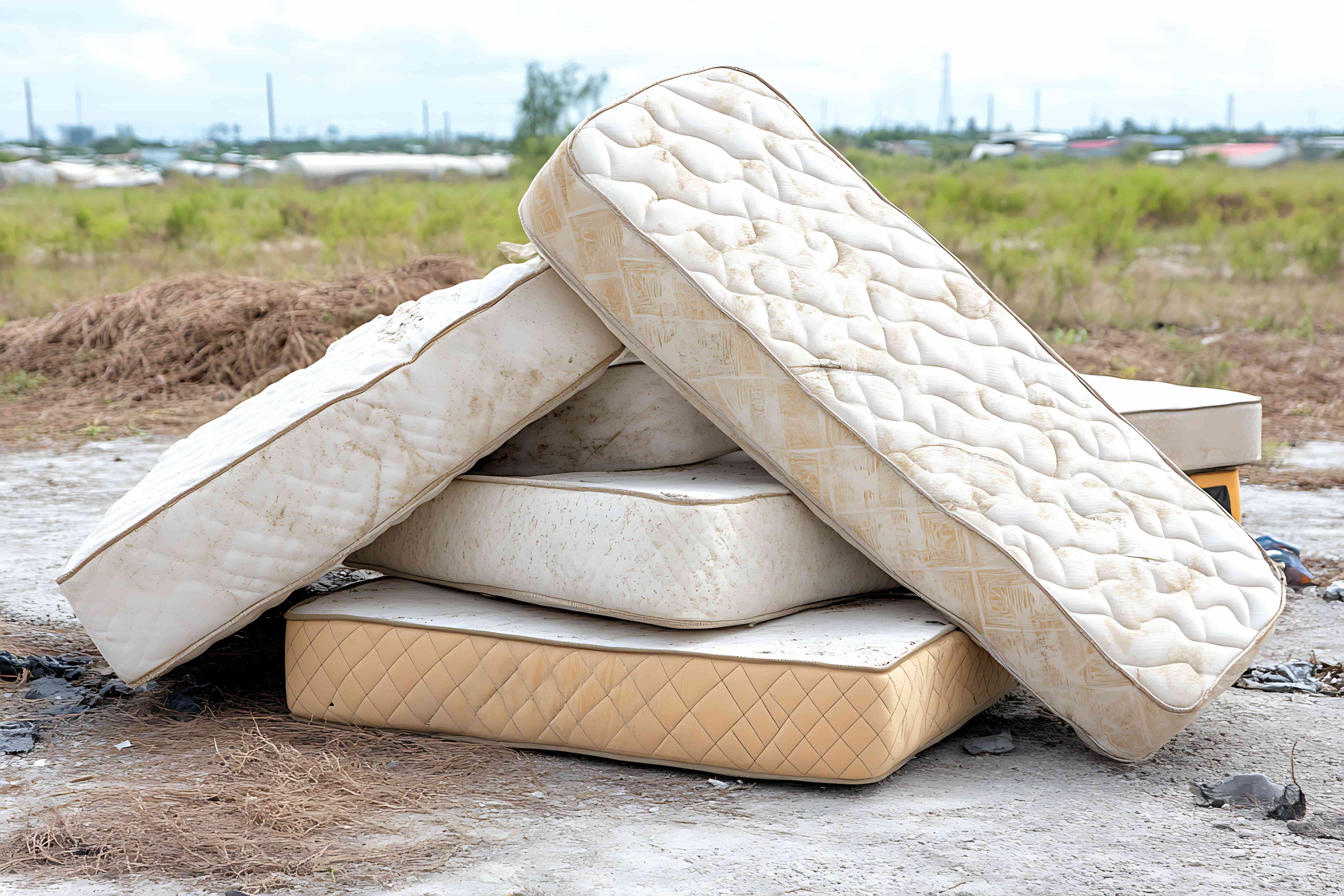
Mattresses cannot go to landfill in most London facilities. Many are now recycled — the springs, foam, and fabric are separated and processed. A licensed collection service will ensure this happens correctly.
Follow this process to handle your bulky waste quickly and legally:
Most London boroughs take between 1 and 4 weeks to collect bulky waste from the time of booking. Some boroughs offer faster slots depending on current demand. If you need urgent removal, a professional collection service is a faster alternative.
No. Bulky items are too large for standard bin lorries and will not be collected on regular collection days. Leaving them on the street without a booking can be treated as fly-tipping.
Most London councils charge for bulky waste collection. Costs typically range from £20 to £50 per booking. Some boroughs offer free collections for residents on certain benefits — check your council's website for eligibility.
Policies vary, but many London councils will not collect fridges and freezers, certain electrical items, building waste (rubble, tiles, plasterboard), hazardous waste, or commercial waste. A professional rubbish removal service can typically handle a wider range of items.
Fridges and freezers must be handled by a licensed facility due to the refrigerants they contain. Options include your council's HWRC (where this is accepted), a licensed rubbish collection service, or the retailer if you're buying a replacement (many offer collection under retailer take-back schemes).
Prices depend on volume. A single large item typically costs from around £60–£100. A larger clearance of multiple items might cost £150–£300+. Always get a fixed quote from a licensed provider before booking.
Yes, but only if they hold a valid Environment Agency waste carrier licence. You are legally responsible for ensuring the person or company you hire is authorised to transport waste. Using an unlicensed operator can result in fines, even if you didn't know the waste was disposed of illegally.
If your council can't collect in time — or won't collect at all — same-day rubbish removal offers fast, affordable, and fully licensed collection across all London boroughs.
If you're clearing multiple rooms or mixed junk, house clearance services can be a better fit than single-item collection.
For related guidance, explore office waste clearance for business properties and furniture removal for large household items.
Get a free, no-obligation quote today — fully licensed, same-day collection available 7 days a week.

A complete guide to recycling old computers...
24 Apr 2025
Top 5 Ways to Dispose of a Microwave Oven...
06 Sep 2024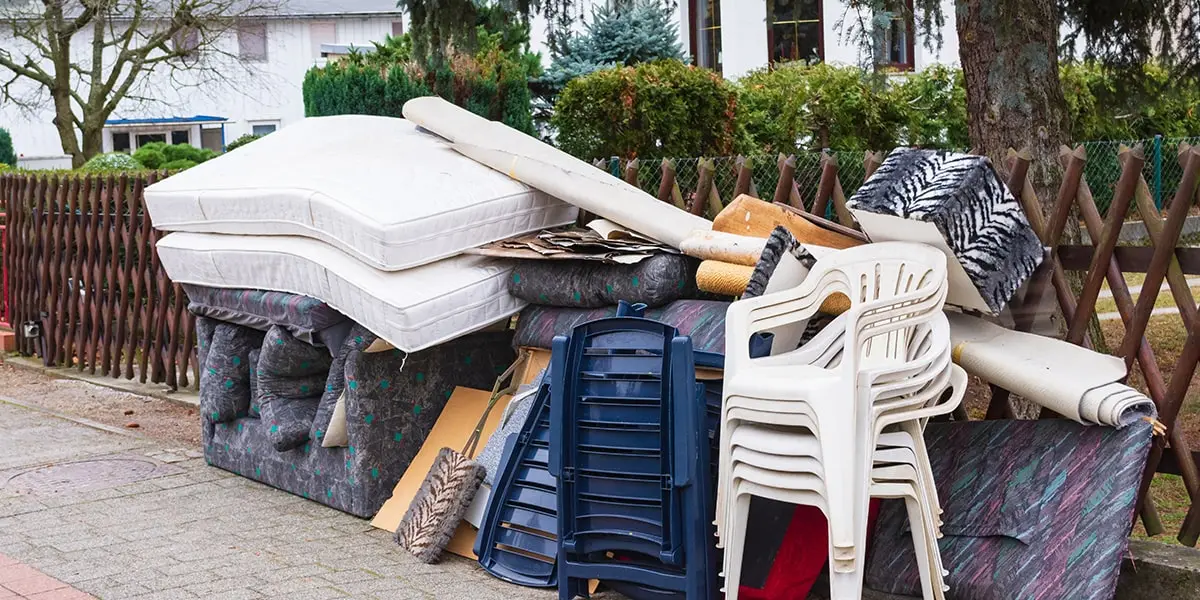
Top Ways on How to Get Rid of a Mattress...
30 Jul 2024
Top Innovative Ideas for Recycling...
30 Jul 2024