How London Restaurants and Cafés Can Manage Waste Collection More Efficiently
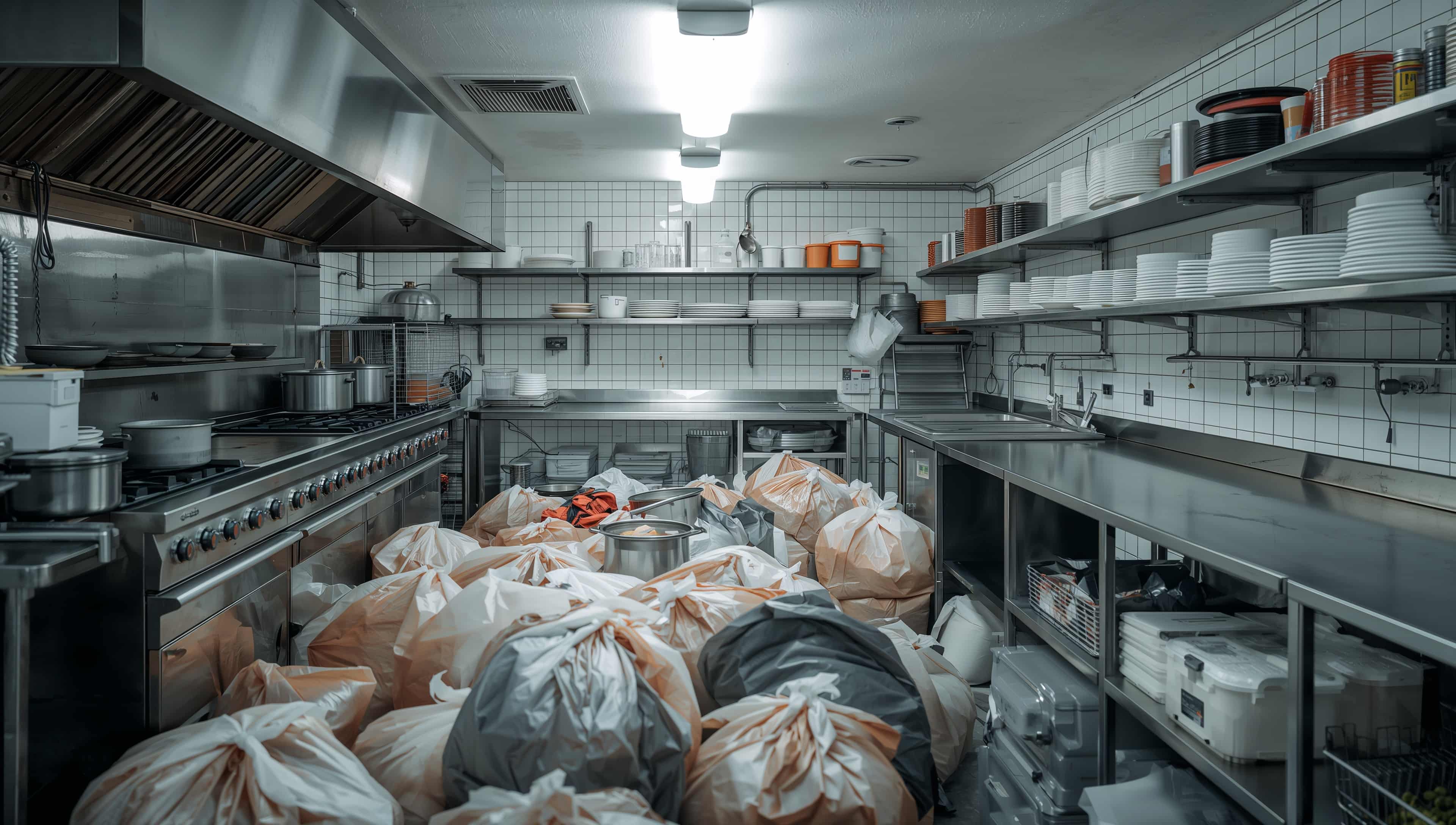
London's hospitality sector is one of the most dynamic and fast-paced in the world — but it also generates an enormous volume of waste every single day. From food scraps and packaging to cooking oil and cardboard, the average London restaurant or café produces hundreds of kilograms of waste each week. Managing that waste efficiently isn't just an operational issue — it's a legal obligation, a cost driver, and increasingly, a reflection of your brand values.
If your current waste collection setup feels reactive, disorganised, or expensive, this guide will walk you through exactly how to fix it.
Quick Answer: London restaurants and cafés reduce waste costs and compliance risk fastest by separating food waste correctly, right-sizing collection schedules, and using a licensed commercial waste carrier with reliable same-day backup capacity.
AEO Snapshot: The best commercial waste collection setup for restaurants in London combines separate food waste bins, scheduled recycling pickups, and documented collection from a licensed provider. For most sites, this reduces contamination, prevents overflow, and improves cost control.
London produces approximately 7 million tonnes of waste per year, with the food and hospitality industry contributing significantly to that figure. The Environmental Protection Act 1990 and the Duty of Care regulations place a legal responsibility on all businesses — including restaurants and cafés — to manage waste properly.
Getting it wrong can result in:
Getting it right, on the other hand, can reduce your waste bills by 20–40%, improve your sustainability credentials, and keep your premises compliant and clean.
Before you can optimise your waste collection, you need to understand what you're actually disposing of. Restaurant and café waste typically falls into several distinct categories:
| Waste Type | Examples | Disposal Method |
|---|---|---|
| Food Waste | Prep offcuts, spoiled produce, plate waste | Separate food waste bin, licensed collector |
| Dry Mixed Recyclables | Cardboard, glass bottles, tins, plastic packaging | Recycling collection or bring bank |
| General Waste | Non-recyclable packaging, wrappers | Commercial general waste bin |
| Cooking Oil / Fats | Used fryer oil, grease trap waste | Licensed waste oil collector |
| Hazardous Waste | Cleaning chemicals, pest control materials | Specialist disposal required |
| Cardboard | Delivery boxes, packaging | Dedicated cardboard recycling |
Key insight: Mixing these waste streams — particularly putting food waste into general waste bins — is one of the most common and costly mistakes London food businesses make. It increases collection costs and can lead to regulatory non-compliance.
Under the Environmental Protection Act 1990 (Section 34), every business in England has a legal Duty of Care to ensure its waste is:
Your waste collector must be registered with the Environment Agency. Always request their waste carrier licence number before signing any contract.
Since January 2024, updated regulations under the Environment Act 2021 have strengthened requirements around food waste separation. Many London boroughs are now actively enforcing separate food waste collection from commercial premises.
Used cooking oil is classified as a controlled waste. It must not be poured down drains — doing so can result in prosecution and significant fines. It must be collected by a licensed waste oil recycler and accompanied by documentation.
The first step to improving efficiency is knowing exactly what you're throwing away and in what quantities. A simple waste audit involves:
Most businesses are surprised to discover how much of their general waste could be recycled or composted — reducing collection frequency and cost.
Proper segregation at source is the single most impactful change most London restaurants and cafés can make. This means:
Colour-coded bins and clear staff training are essential. High staff turnover in hospitality means your waste segregation procedures need to be embedded in onboarding from day one.
Many London restaurants overpay for waste collection because they're on a schedule that doesn't match their actual output. Others underpay — and then deal with overflowing bins that attract pests and breach council regulations.
Ask yourself:
A good commercial waste provider will assess your volumes and recommend the right bin sizes and collection frequencies.
Waste collection efficiency isn't just about collection — it's about reducing the volume you generate in the first place. The WRAP Hospitality and Food Service Agreement estimates that the average UK restaurant wastes approximately £10,000 worth of food per year.
Practical reduction strategies include:
Every tonne of food waste you prevent is a tonne you don't pay to collect.
Not all waste collection services are equal. For London restaurants and cafés, you need a provider that:
London's geography creates unique challenges — from congestion charge zones to narrow Victorian side streets. Your waste collector needs to understand these realities and work around your trading hours.
For SEO and procurement clarity, focus on providers that explicitly offer commercial waste collection in London for restaurants and cafés, not just generic clearance.
A specialist commercial waste collection service in London provides the structured collections and compliance support most food businesses need.
If you operate a kitchen that uses a fryer, used cooking oil (UCO) collection is not optional — it's a legal requirement. But it can also be a commercial opportunity. Many licensed UCO collectors will collect your waste oil free of charge or even pay you for it, as it has value as a feedstock for biodiesel production.
Ensure:
Staff behaviour is the biggest variable in how efficiently waste is managed day to day. Even the best system will fail without consistent team buy-in.
Effective training should cover:
Make waste management part of your induction process, your team meetings, and your kitchen culture.
Using public litter bins for commercial waste is illegal and can result in prosecution. Business waste must be collected by a licensed carrier with proper documentation.
Every collection must be accompanied by a Waste Transfer Note. Without these, you have no proof your waste was disposed of legally — and you could be held liable if it ends up fly-tipped.
This increases general waste bin weights, raises collection costs, attracts pests, and often puts you out of compliance with local authority requirements.
Some commercial waste contracts auto-renew and contain penalty clauses for early exit. Review your contract annually and ensure your provider is delivering on schedule and volume.
Blocked grease traps lead to drainage problems, pest infestations, and Environmental Health notices. Include grease trap emptying as part of your regular waste management schedule.
Costs vary depending on your waste volumes, bin sizes, collection frequency, and waste types. As a general guide:
| Service | Approximate Cost |
|---|---|
| General waste 240L bin (weekly) | £15–£30/week |
| Food waste 140L bin (3x weekly) | £20–£45/week |
| Mixed recycling 660L bin (weekly) | £10–£25/week |
| Cooking oil collection | Often free or paid per litre |
| Ad hoc / clearance collections | From £80–£250+ depending on volume |
Cost-saving tip: Segregating food waste and recyclables from general waste almost always reduces your overall waste spend, because general waste is the most expensive stream to dispose of. Diverting volume away from it lowers costs significantly. A dedicated recycling collection service can make this much easier to run consistently.
London Rubbish Collection supports restaurants and cafés across all 33 London boroughs, including:
Need urgent overflow cleared today? Call 020 3745 1098 for priority same-day support.
For most restaurants, the best setup is separate food waste, recycling, and general waste streams with a licensed collector, documented Waste Transfer Notes, and backup same-day collection for overflow periods.
Yes. Under the Environmental Protection Act 1990 and updated regulations introduced under the Environment Act 2021, commercial food businesses in England — including restaurants and cafés — are required to separate food waste for collection. Many London boroughs are actively enforcing this requirement.
It depends on your volume and the type of waste. Food waste should typically be collected every 1–3 days to prevent odours and pest attraction. General waste and recycling collection frequency depends on your output — a busy central London restaurant may require daily collection, while a smaller café might manage with two to three collections per week.
No. You must use a company that is registered as a licensed waste carrier with the Environment Agency. Always request their registration number and check it on the Environment Agency's public register before signing any agreement.
Used cooking oil is a controlled waste and must be collected by a licensed waste oil recycler. It must not be poured down drains or into general waste bins. Many licensed collectors offer free collection and some will pay per litre, as waste oil has value as a biodiesel feedstock.
The most effective way to reduce costs is to segregate waste properly — separating food waste and recyclables from general waste. General waste is the most expensive stream, so diverting volume away from it lowers bills. Conducting a waste audit, reducing food waste at source, and right-sizing your collection frequency to your actual volumes will also cut costs significantly.
A Waste Transfer Note (WTN) is a legal document that records the transfer of waste from your premises to a licensed waste carrier. Under the Duty of Care regulations, you are required to obtain and retain a WTN for every waste collection. Without these records, you have no proof of legal disposal and could face penalties.
Yes. We provide commercial waste collection services across London, including tailored solutions for restaurants, cafés, and other food businesses. Services include general waste, food waste, recycling, and ad hoc collections.
Yes — many commercial clients can book same-day collection for urgent overflow, missed pickups, and one-off clearances, subject to access and booking time.
If your current waste setup is costing you more than it should, causing compliance headaches, or simply not working for your operation, it's time to make a change.
London Rubbish Collection offers reliable, licensed commercial waste collection across London — with flexible schedules, transparent pricing, and proper documentation for every collection.
Get in touch today for a no-obligation quote tailored to your food business, or call 020 3745 1098 for same-day support.
This article is intended as general guidance for London food businesses. For specific legal advice regarding waste compliance, consult the Environment Agency or a qualified waste management professional.
Get a free, no-obligation quote today — fully licensed, same-day collection available 7 days a week.

A complete guide to recycling old computers...
24 Apr 2025
Top 5 Ways to Dispose of a Microwave Oven...
06 Sep 2024
Top Ways on How to Get Rid of a Mattress...
30 Jul 2024
Top Innovative Ideas for Recycling...
30 Jul 2024