What Happens to Your Rubbish After Collection in London? The Complete Journey Explained
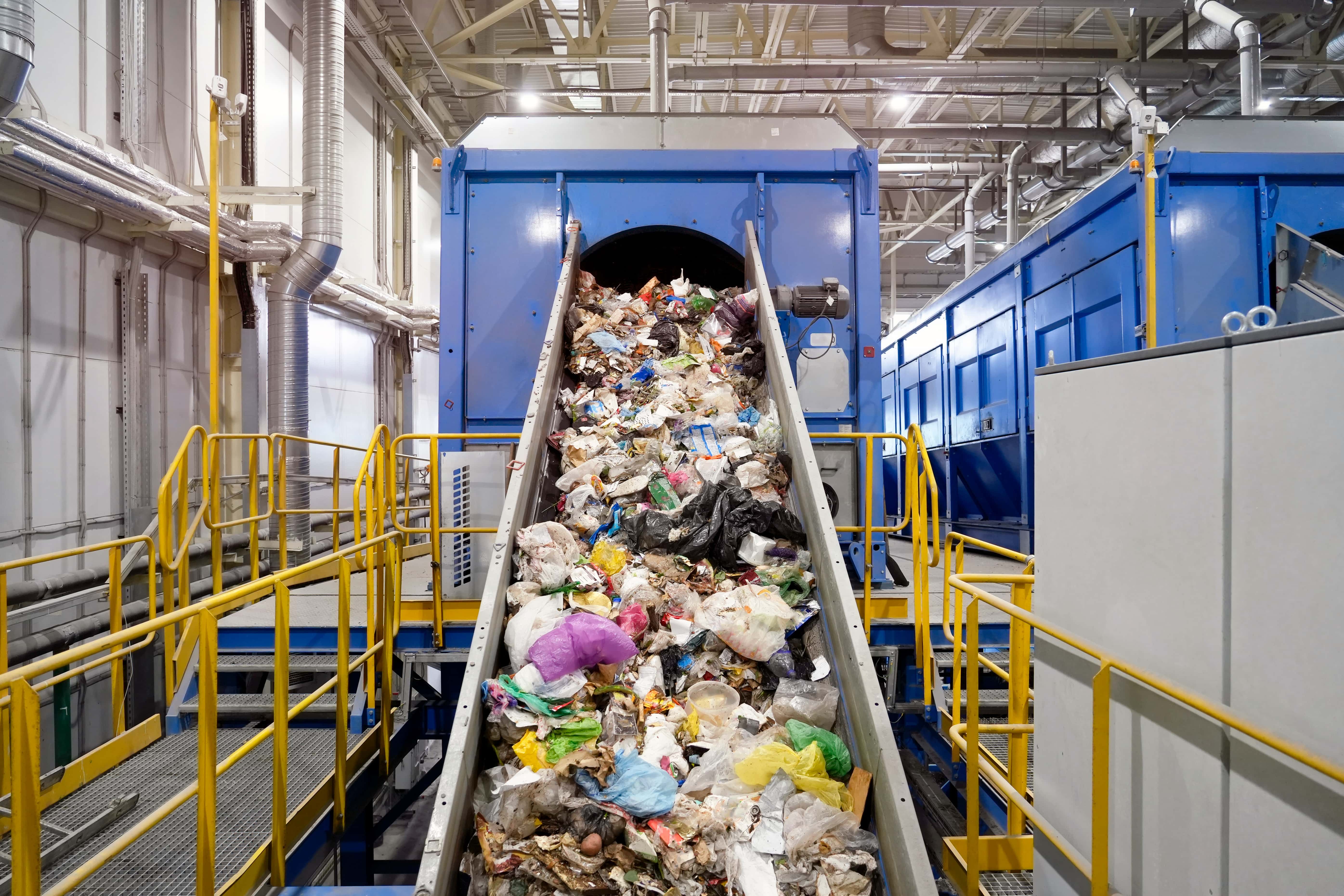
The bin lorry pulls away from your street, and just like that — your rubbish disappears. But where does it actually go? For most Londoners, the answer is a mystery. Yet understanding the full journey your waste takes isn't just interesting — it's increasingly important as London faces growing pressure to reduce landfill, hit recycling targets, and build a genuinely circular economy.
This guide breaks down the complete lifecycle of London's waste, from the moment it leaves your property to its final destination, helping you make smarter decisions about how you dispose of it.
Quick Answer: After collection in London, your rubbish travels to a local Waste Transfer Station, then splits into one of four pathways — recycling at a Materials Recycling Facility (MRF), Energy from Waste incineration, composting or anaerobic digestion for food and garden waste, or landfill as a last resort. Around 34% of London's household waste is currently recycled; the majority of residual black bin waste goes to Energy from Waste facilities.
Before tracing the journey, it helps to understand the sheer scale involved. London generates approximately 6.9 million tonnes of municipal waste every year — one of the highest volumes of any city in Europe. Managing this responsibly requires an intricate network of vehicles, transfer stations, processing facilities, and specialist contractors.
Each London borough operates its own waste collection service, meaning your rubbish's journey can differ depending on whether you live in Camden, Croydon, or Tower Hamlets. Despite this fragmentation, the broader pathway follows a consistent set of stages.
The process starts at your front door. Whether it's a black wheelie bin, a green recycling box, or a food waste caddy, each stream is collected separately to preserve the quality of recyclable materials.
Household waste streams typically collected in London include:
Collection vehicles are increasingly route-optimised using GPS and data analytics, reducing fuel consumption and carbon emissions per collection. Many London boroughs now operate split-compartment vehicles that keep recycling streams separated during transit.
Once collected, rubbish doesn't go directly to a final processing facility. Instead, it travels to a Waste Transfer Station (WTS) — a local depot where loads are consolidated, weighed, sorted, and prepared for onward transport.
London has dozens of transfer stations operated by a mix of local authorities, private contractors, and waste management firms. At a WTS:
This stage is critical for efficiency. Without transfer stations, individual collection vehicles would need to travel directly to distant processing sites — dramatically increasing costs and emissions.
From the transfer station, your waste splits into several distinct pathways depending on its type and quality.
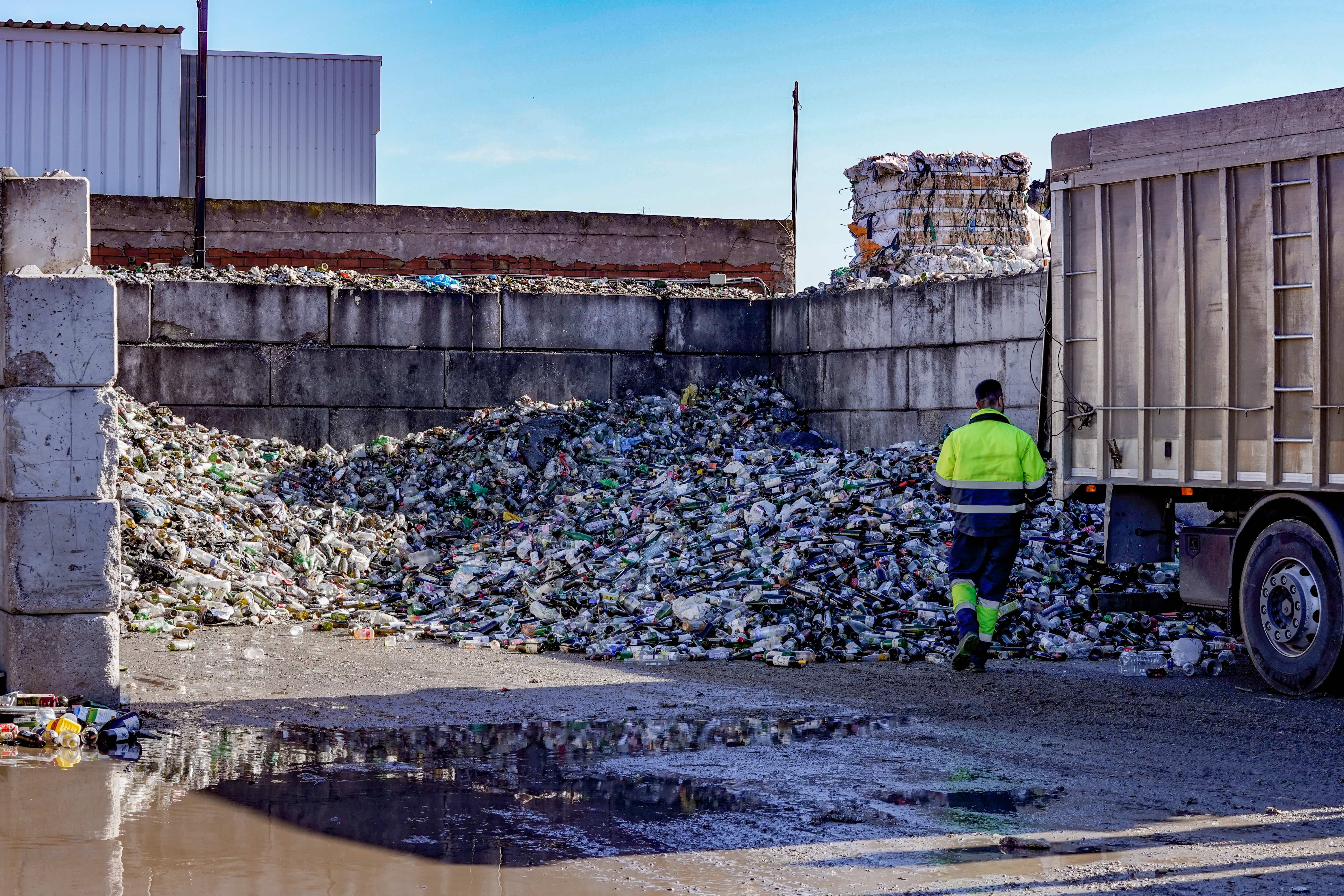
Dry recycling (paper, cardboard, glass, plastics, metals) is sent to a Materials Recycling Facility (MRF), pronounced "murf." London's MRFs use a combination of manual sorting and sophisticated automated systems to separate materials by type.
| Technology Used | What It Sorts |
|---|---|
| Trommel screens | Separates materials by size |
| Eddy current separators | Recovers aluminium |
| Optical/infrared sorters | Identifies and separates plastics by polymer type |
| Magnetic separation | Extracts ferrous metals (steel, iron) |
| Manual picking lines | Removes contamination and misplaced items |
Once sorted, materials are baled and sold to reprocessors — UK-based or international manufacturers who turn them back into raw materials. A recycled aluminium can, for example, can be back on a supermarket shelf within 60 days of collection.
London's recycling rate currently sits at around 34% for household waste — below the national average and well below the government's target of 65% by 2035. This is partly due to dense urban housing, high-rise flats with limited bin space, and persistent contamination of recycling bins with non-recyclable items.
Key insight: Contaminated recycling often ends up in residual waste rather than being recycled, which is why placing the right items in your recycling bin genuinely matters.
The largest proportion of London's non-recycled waste is sent to Energy from Waste (EfW) facilities, sometimes called waste-to-energy plants or incinerators. This is currently the most common fate for residual black bin waste in London.
How Energy from Waste works:
Major EfW facilities serving London include the SELCHP plant in Lewisham, the Edmonton EcoPark in Enfield, and the Riverside Energy Park in Belvedere. These plants collectively process millions of tonnes of London waste annually.
Is Energy from Waste better than landfill? Yes — significantly. EfW produces usable energy, dramatically reduces waste volume (by up to 90%), and avoids the methane emissions associated with decomposing landfill waste. However, it still produces CO₂ emissions and is considered a lower priority than waste reduction or recycling in the waste hierarchy.
Landfill is now considered the least desirable outcome in the UK waste hierarchy, and its use for London's municipal waste has fallen sharply over the past two decades — from over 80% in 2000 to under 10% today.
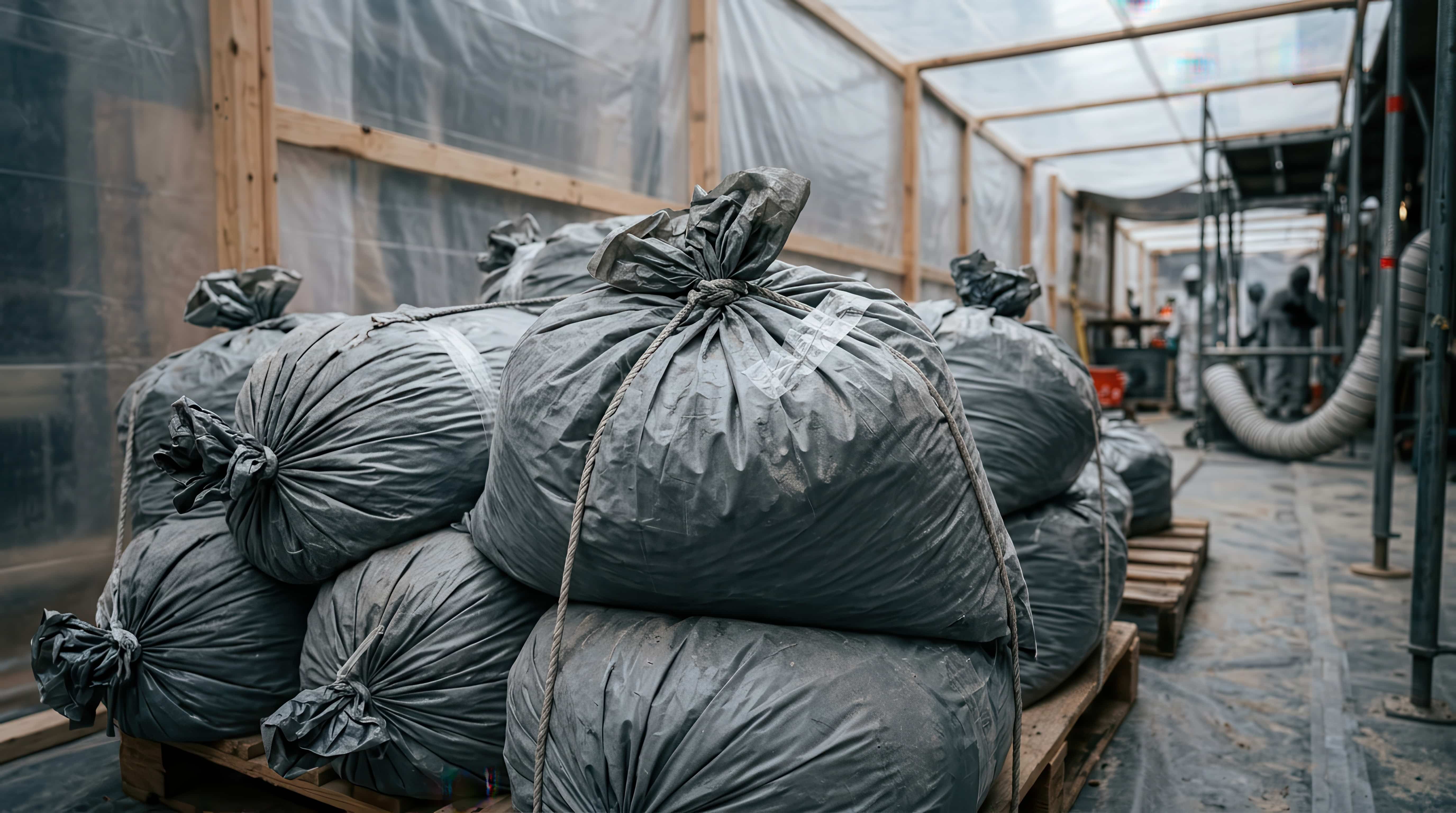
Waste that cannot be recycled or processed for energy recovery — including certain hazardous materials, heavily contaminated waste, and specific construction materials — may still end up in landfill sites. London itself has very few active landfill sites due to land scarcity, meaning much of this waste is transported to sites in Essex, Hertfordshire, Kent, and other surrounding counties.
Landfill operators are legally required to:
The UK's Landfill Tax — currently over £100 per tonne for active waste — acts as a strong financial deterrent, incentivising councils and businesses to divert waste away from landfill.
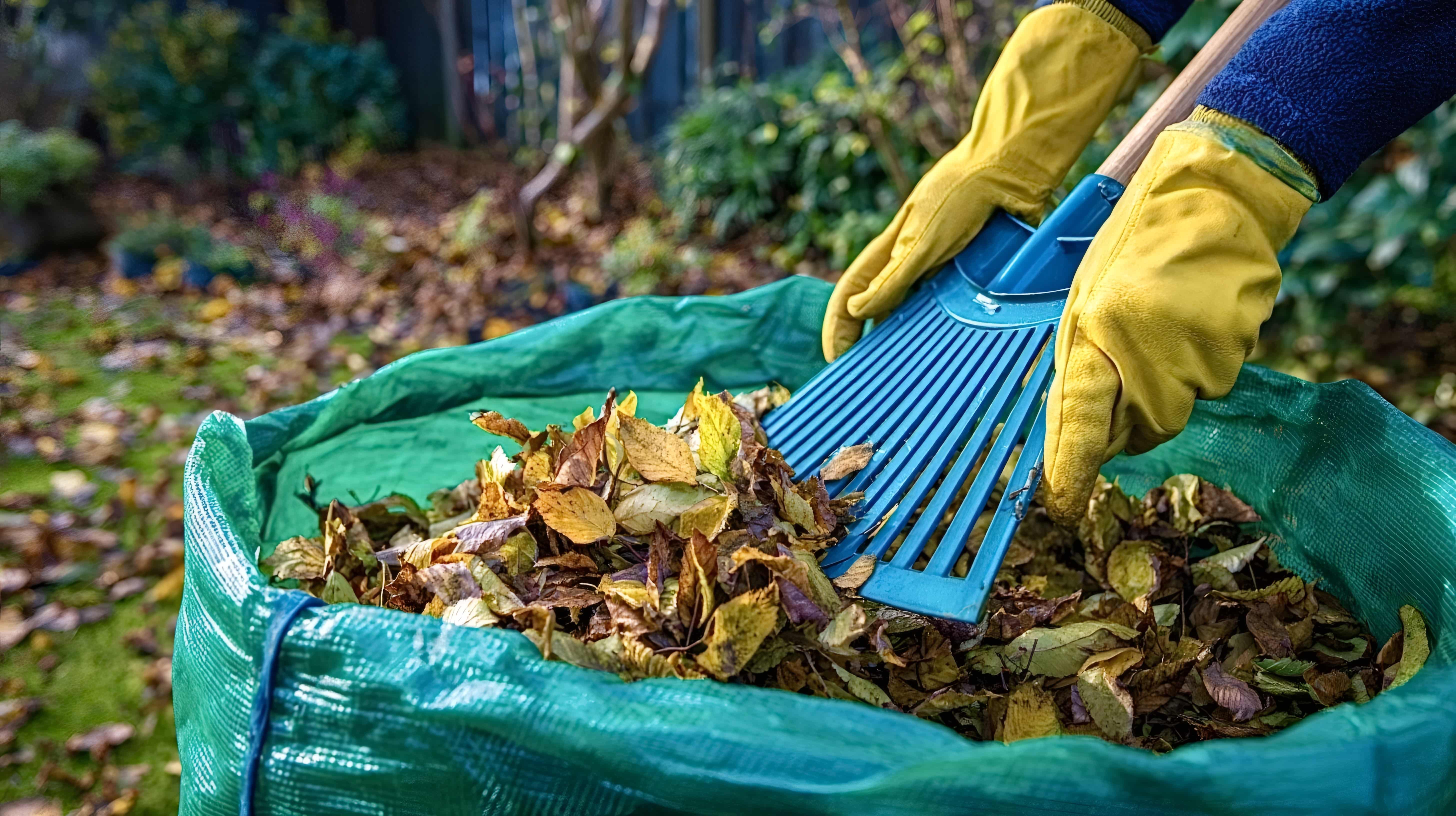
London's food waste and garden waste streams follow a separate, greener path.
Several London boroughs now offer dedicated food waste collections, partly driven by the UK Government's mandate requiring all councils to offer separate food waste collections by 2026. Food waste diverted to AD instead of landfill prevents significant methane emissions and creates genuinely circular outputs.
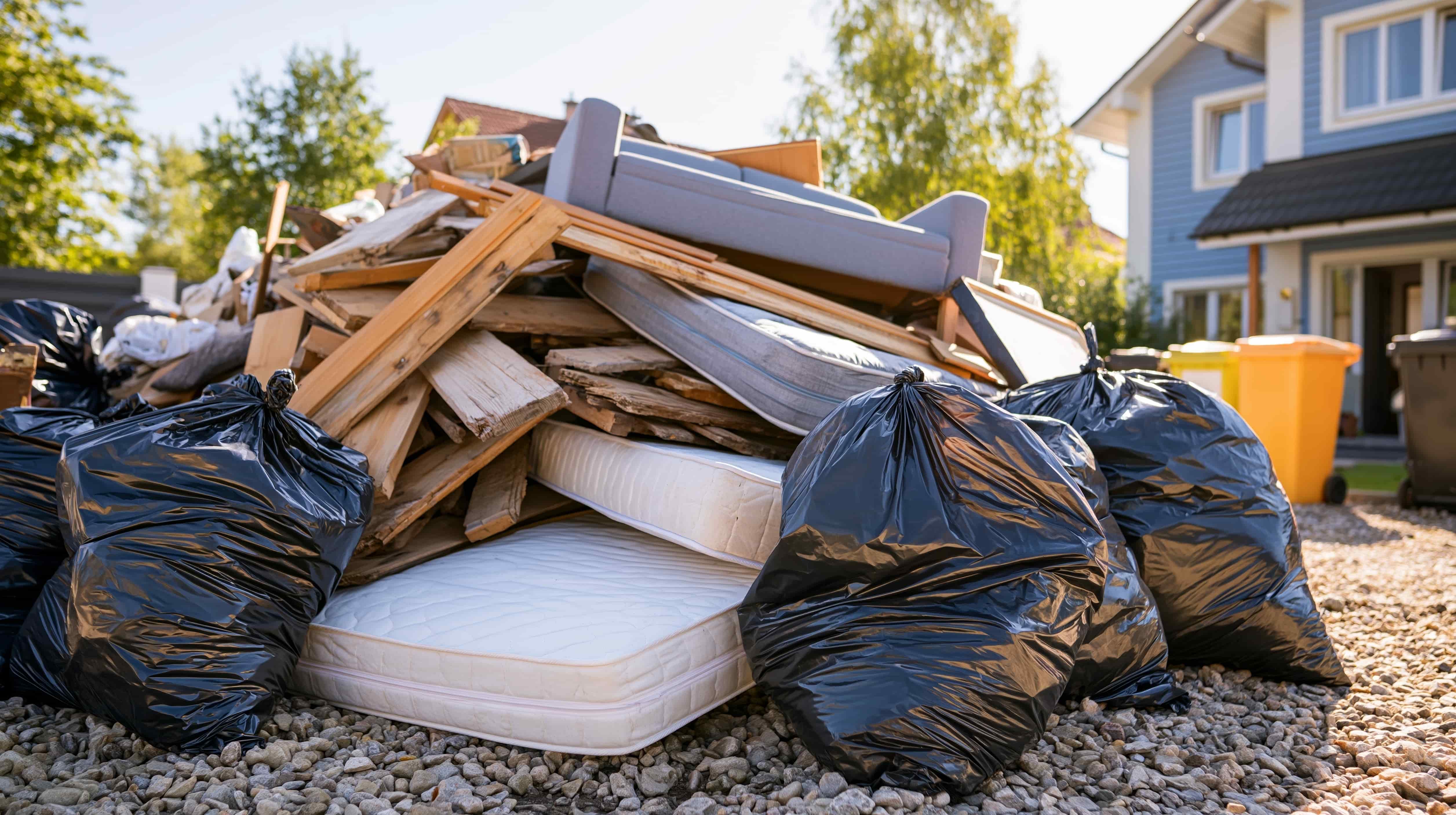
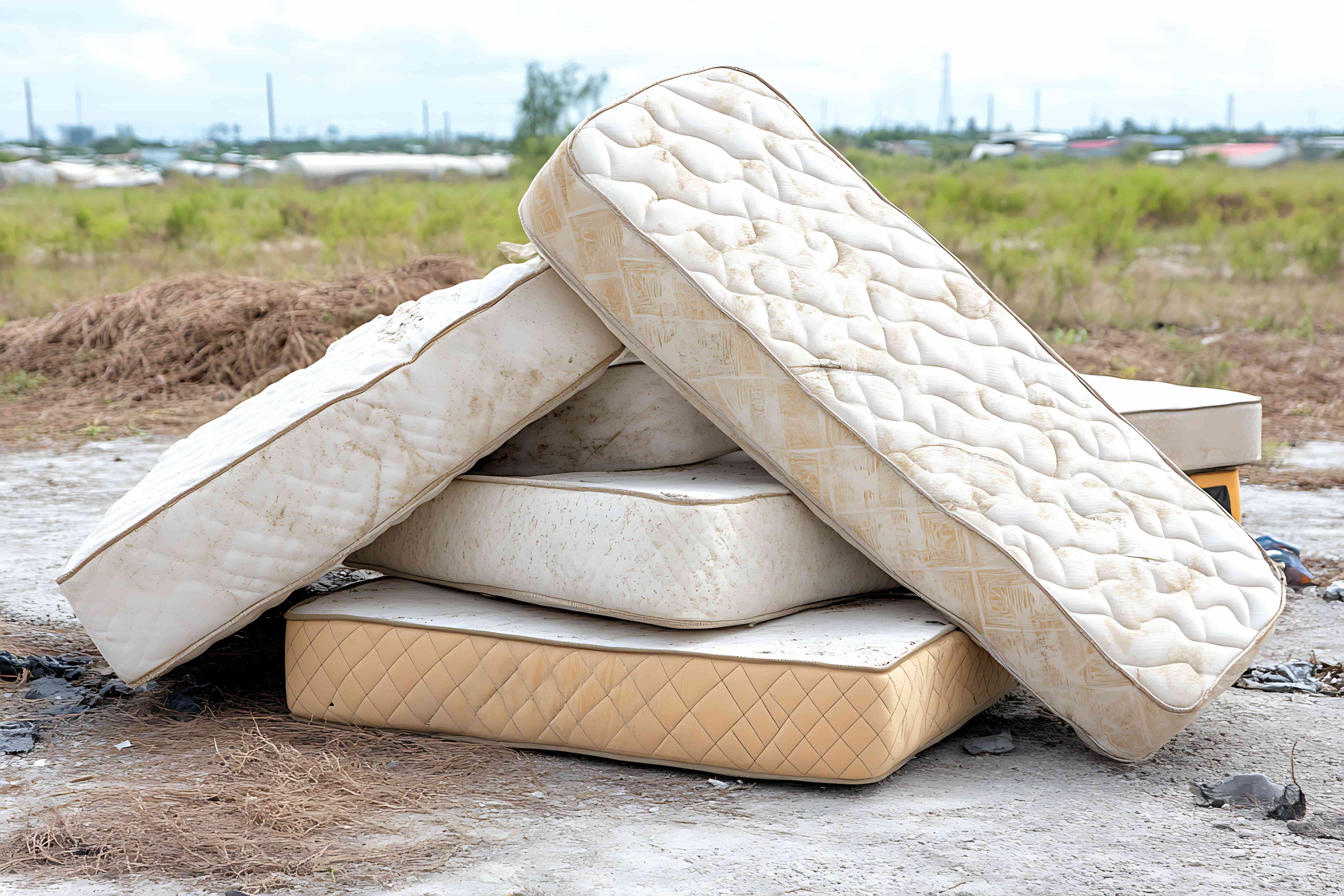
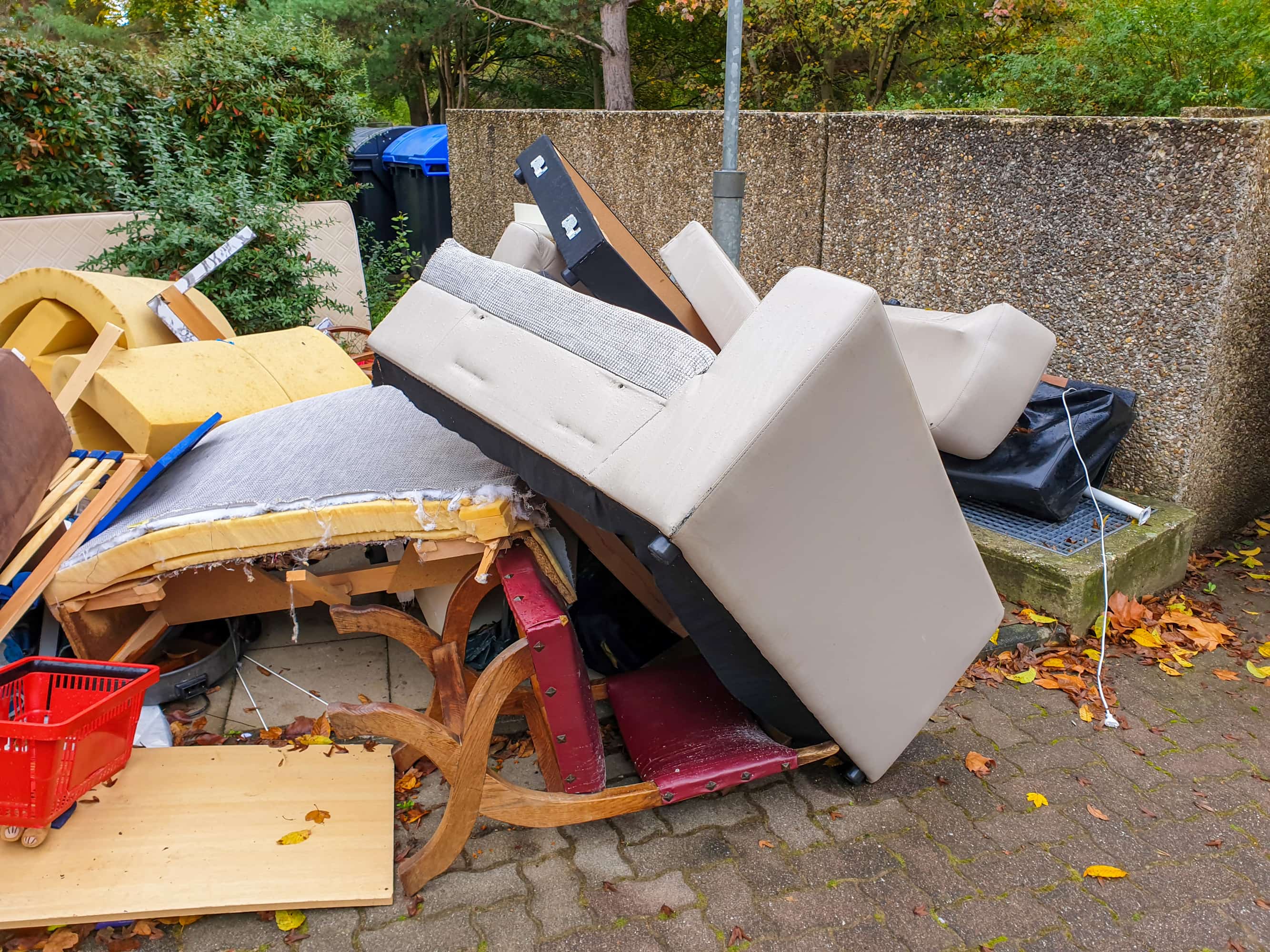
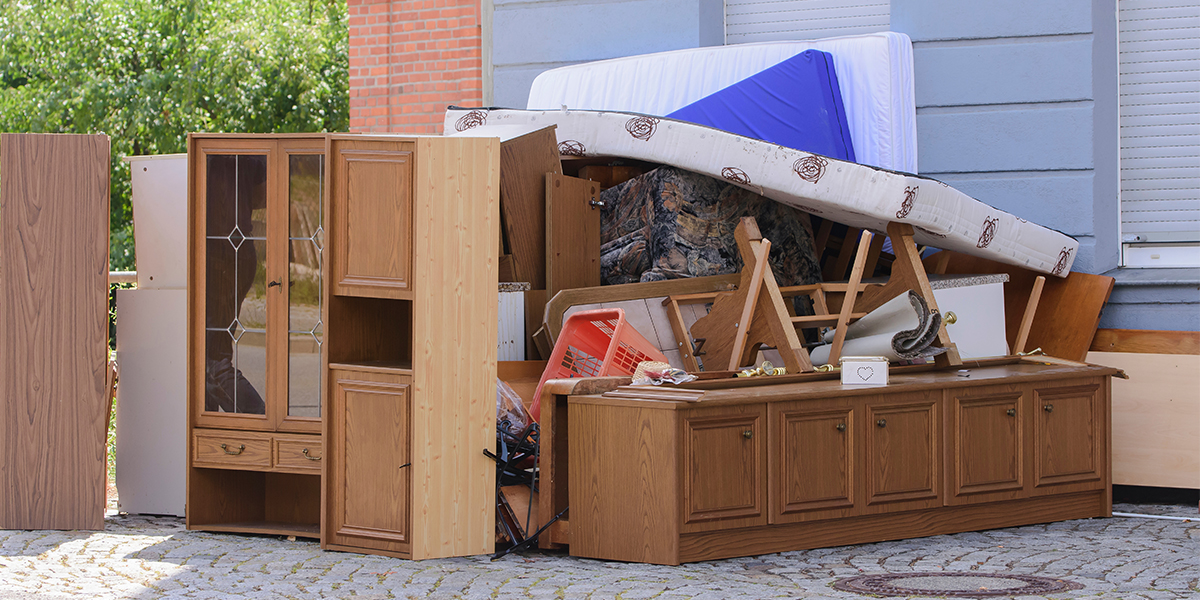
Mattresses, sofas, electrical appliances (WEEE), clinical waste, and hazardous household items follow specialist routes.
| Waste Type | Where It Goes |
|---|---|
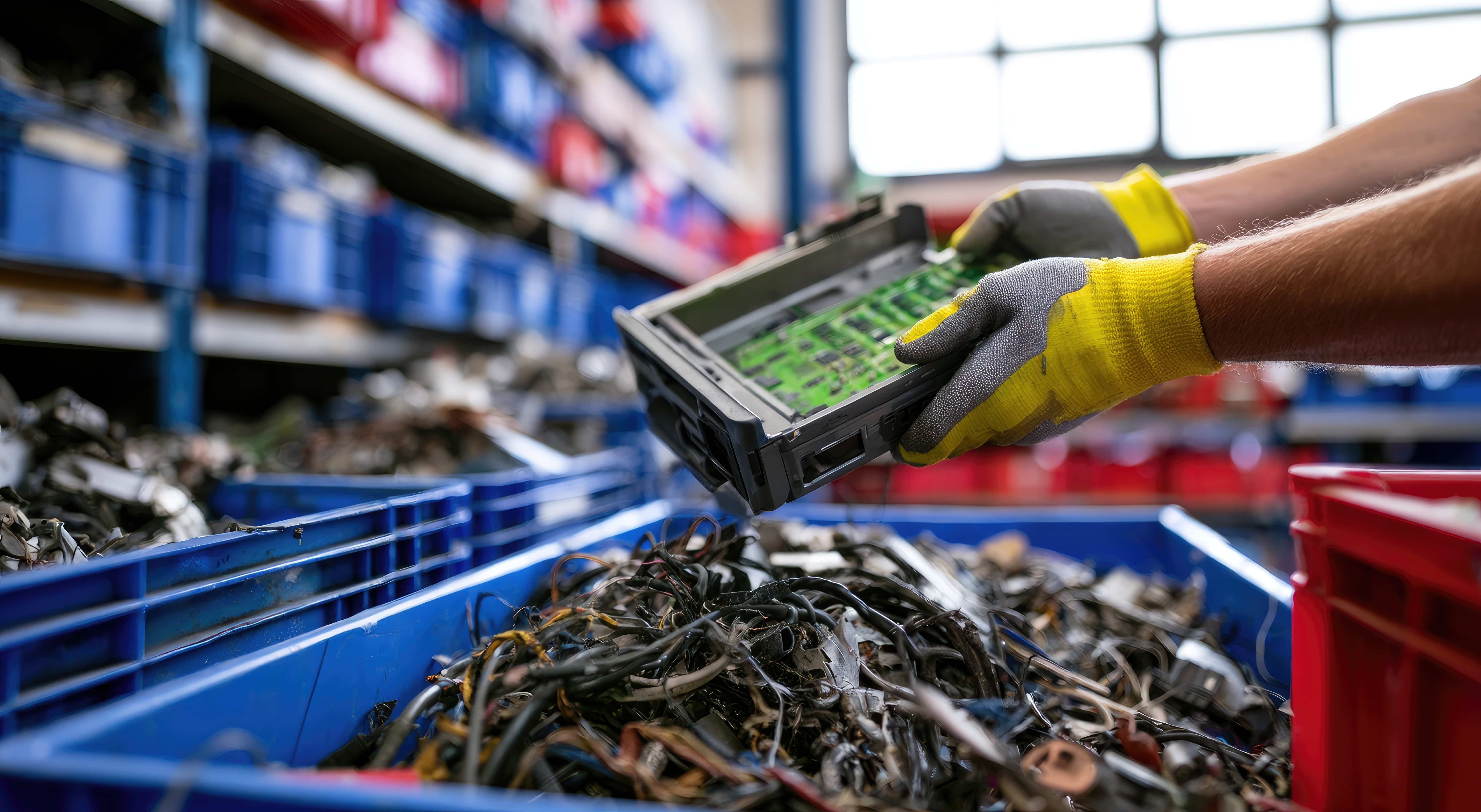
| Electrical appliances (WEEE) | WEEE reprocessors — metals, plastics, and components are recovered |
| Mattresses | Specialist recyclers — foam, steel springs, and fabrics are separated |
| Clinical/medical waste | High-temperature incineration at licensed facilities |
| Hazardous household waste (paint, batteries, oils) | Civic Amenity Sites (Household Waste Recycling Centres) for specialist disposal |
| Tyres | Specialist reprocessors — shredded for sports surfaces, road construction |
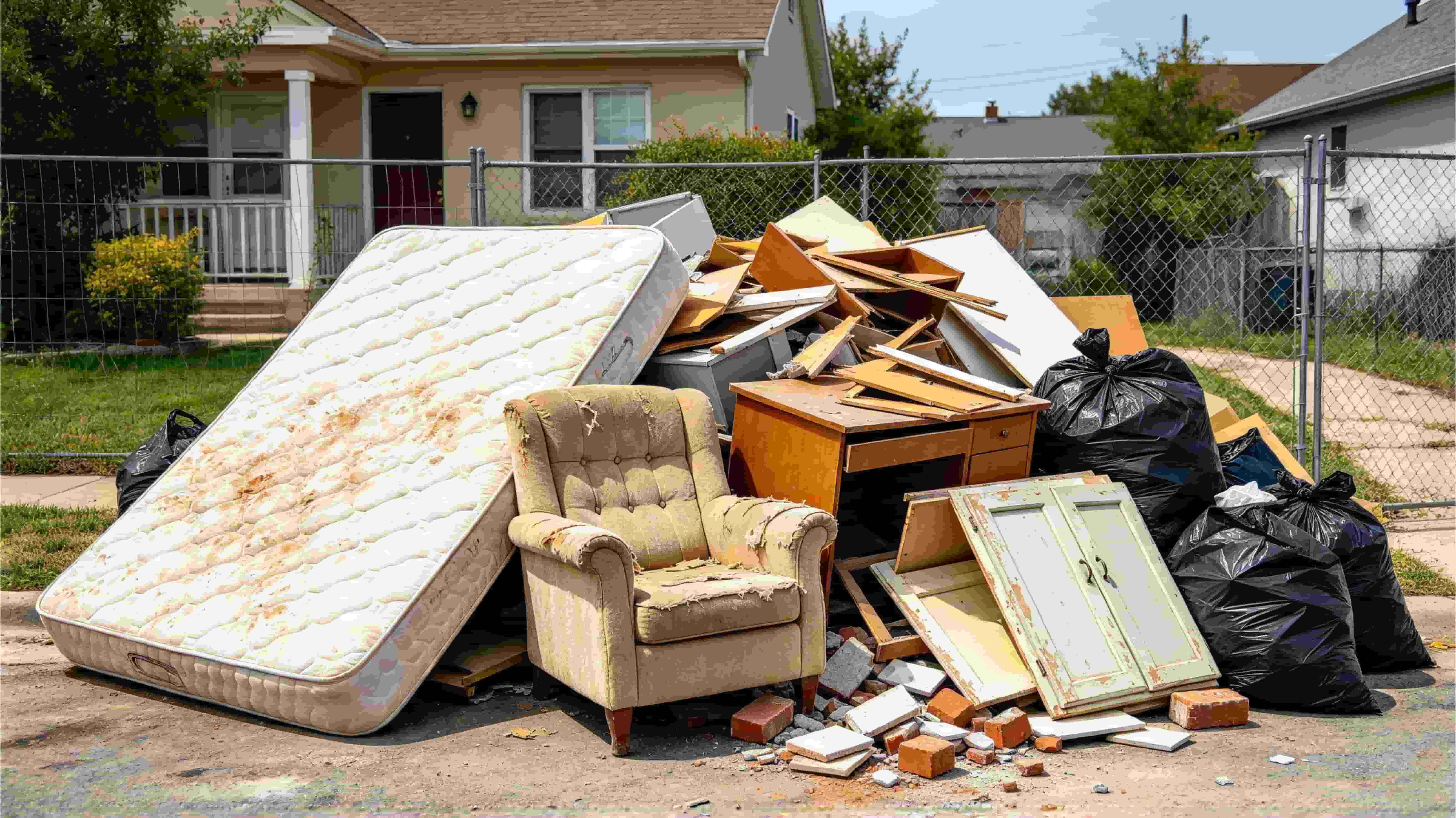
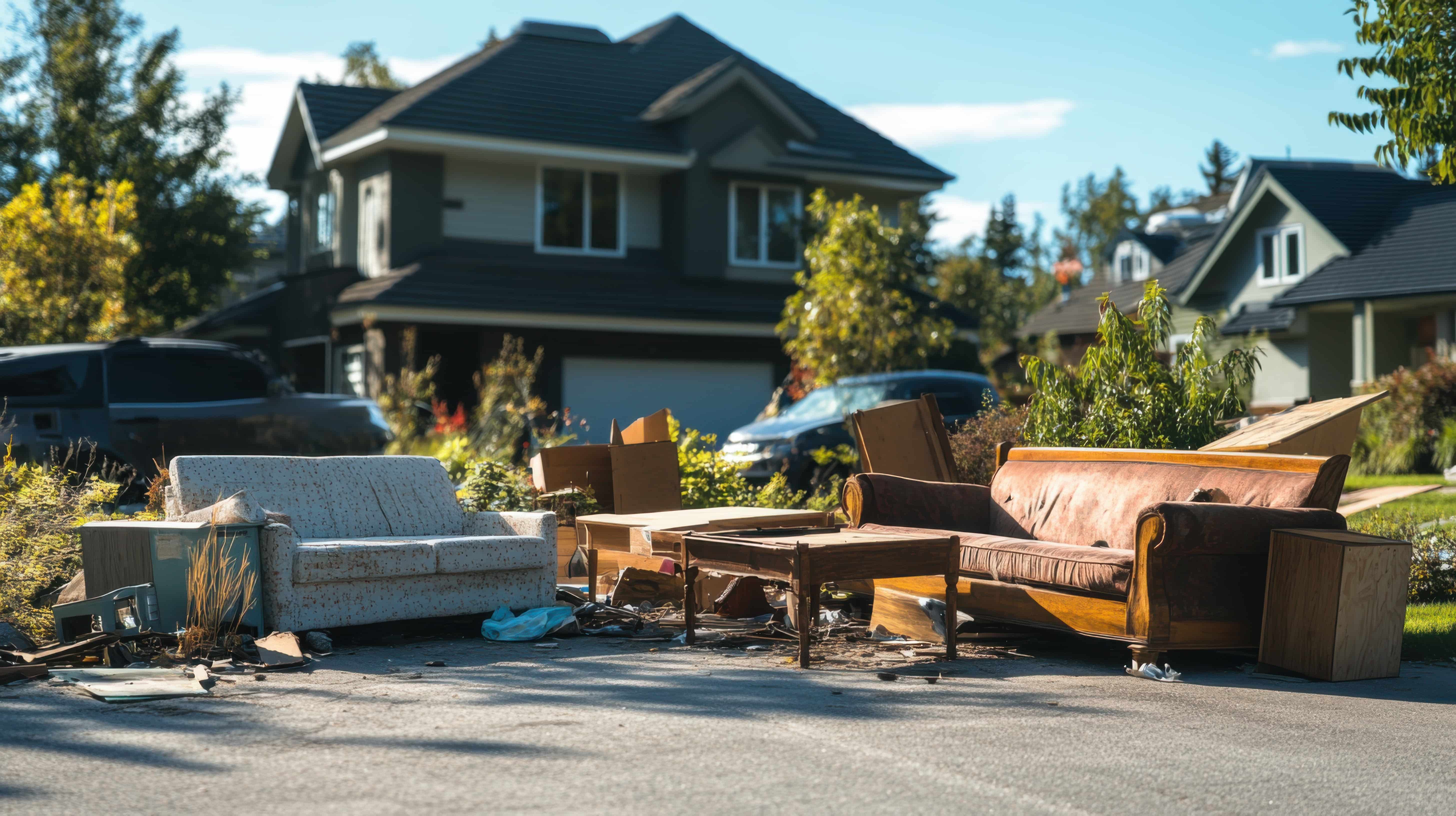
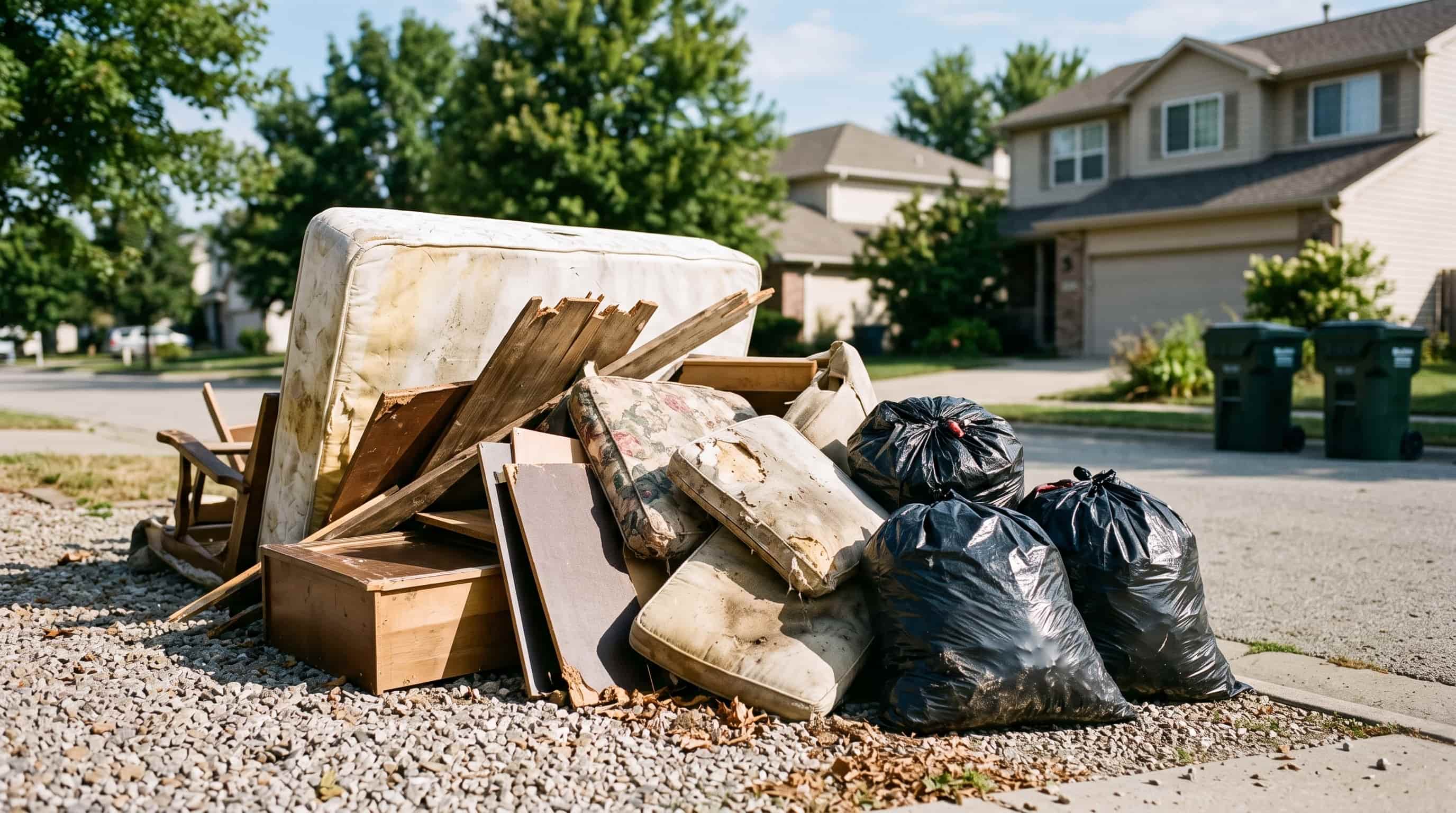
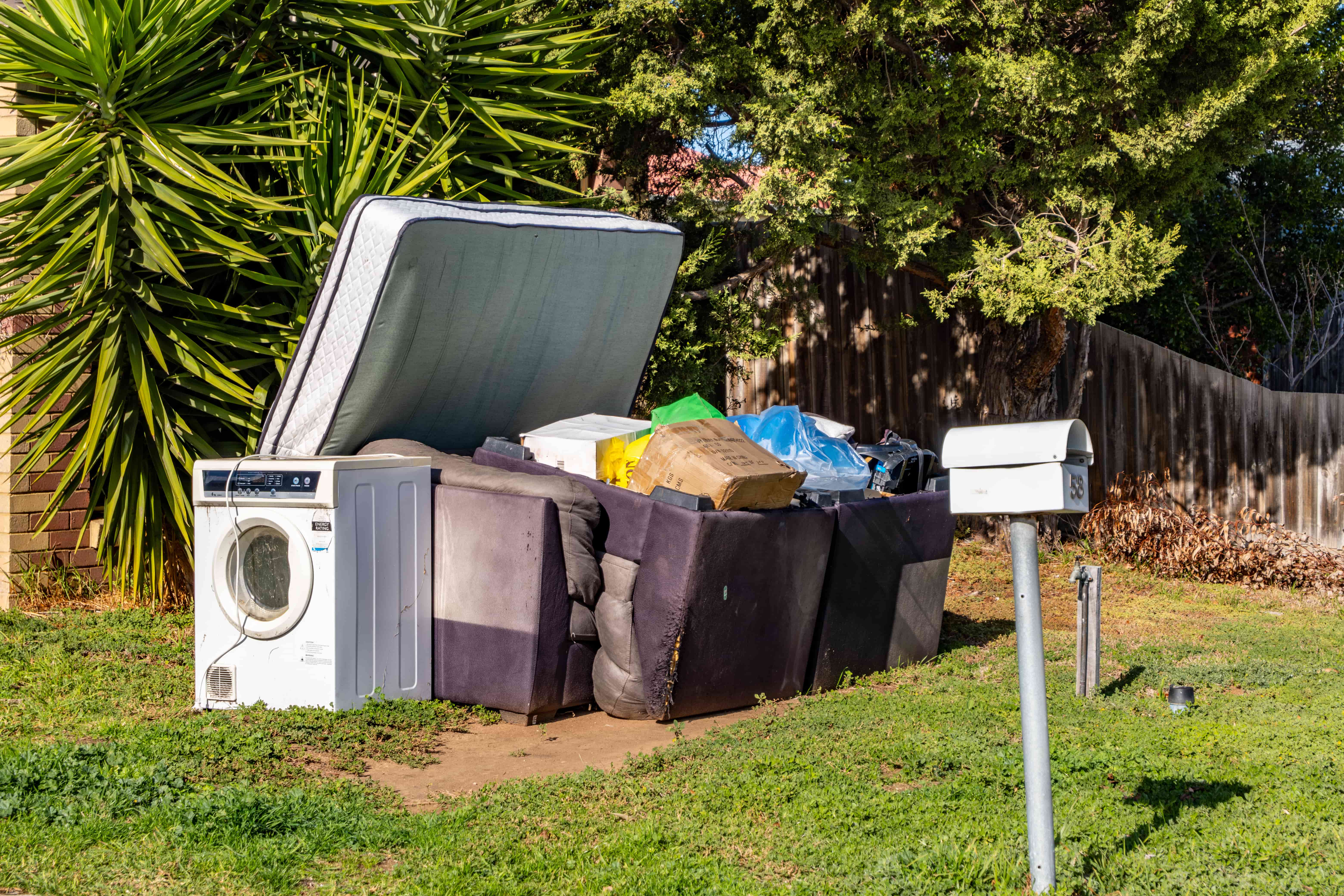
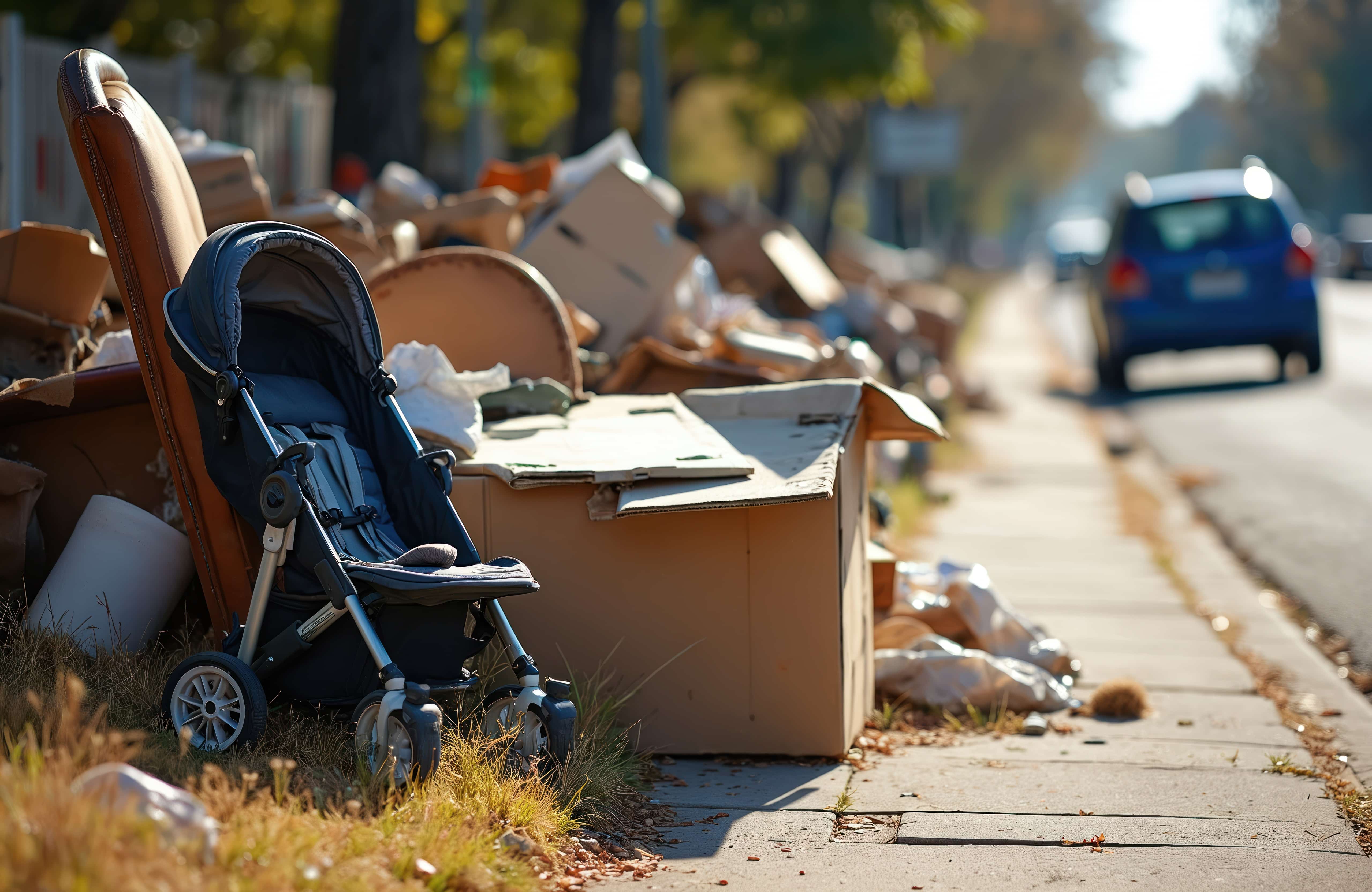
This is why correct disposal of these items matters so much. Dumping a mattress or fridge on the street doesn't just create an eyesore — it creates a costly burden on local authorities and prevents the valuable materials inside from being recovered. For a full guide to the legal disposal options for each item type, read How to Get Rid of Large Household Items in London Without Breaking the Law.
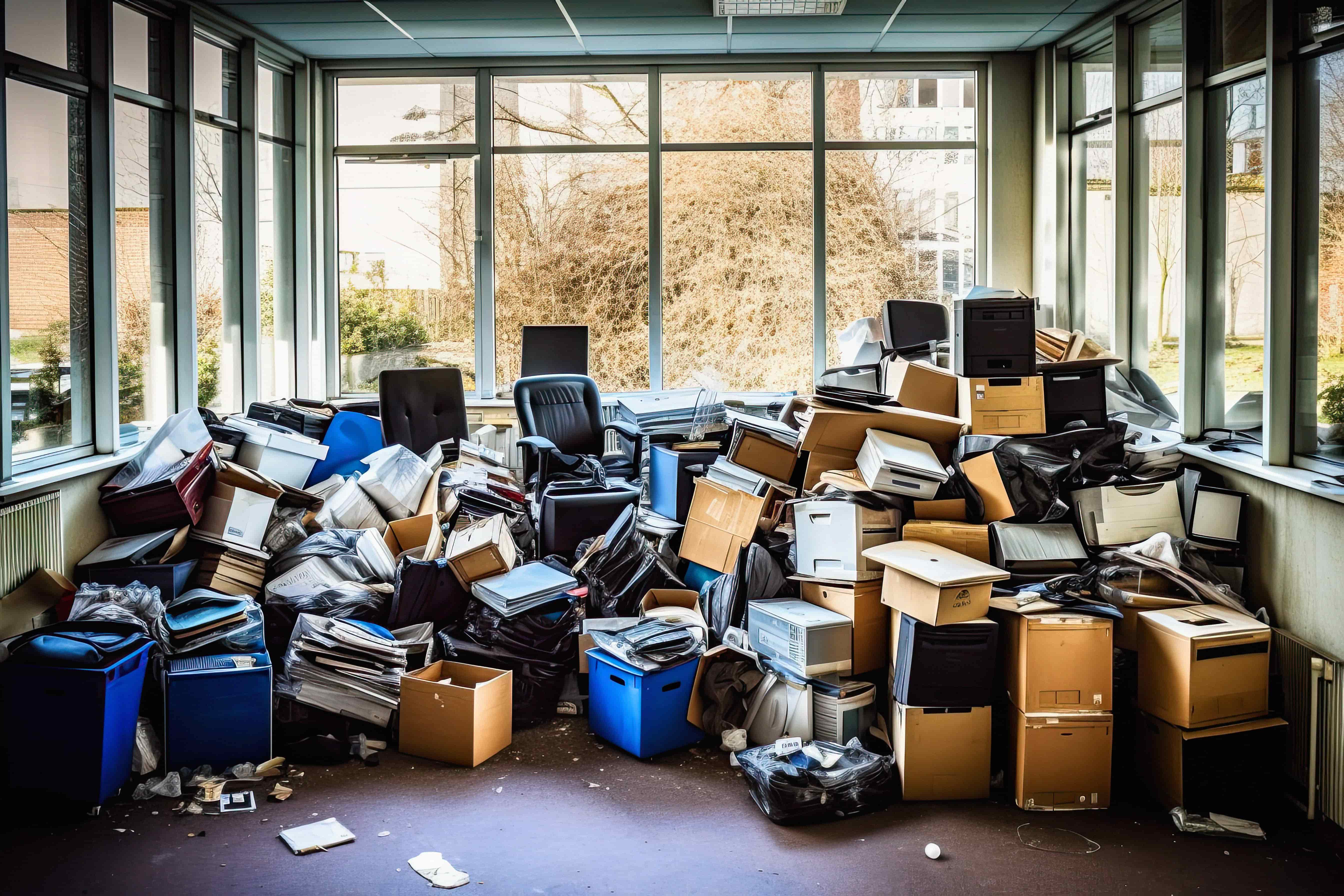
For households and businesses with large volumes of waste — from house clearances and office clearouts to renovation debris and garden waste — local authority collections are often insufficient. This is where professional rubbish collection services in London play a vital role. For a detailed comparison of council and professional options, read Council Collection vs Professional Rubbish Collection in London. Professional services typically cost from £80 for a minimum load to £300+ for a full van load, with transparent, load-based pricing and no hidden charges.
Licensed waste carriers collect waste from your premises and ensure it's taken to the correct authorised facilities, maintaining a proper Waste Transfer Note that documents the type, quantity, and destination of your waste. This documentation is a legal requirement under the Duty of Care regulations that apply to anyone who produces, stores, or disposes of waste.
When professional collection makes sense:
A reputable professional service doesn't just remove your waste — it actively directs materials toward recycling and recovery wherever possible, keeping your waste out of landfill and helping you meet your legal Duty of Care obligations.
Thinking about a clearout? London Rubbish Collection offers fast, fully licensed rubbish collection across London, with transparent pricing and responsible disposal. Get a free quote today.
The UK follows the EU-derived waste hierarchy, which sets out the preferred order of waste management options from most to least sustainable:
Every stage of London's waste infrastructure is designed — in theory — to push materials as high up this hierarchy as possible.
Understanding the journey your waste takes makes it easier to see why these common errors cause real problems:
Understanding what happens to your waste is important — but ensuring it's handled correctly from the moment it leaves your property is essential. London Rubbish Collection provides fully licensed, same-day rubbish removal across all 33 London boroughs:
Every collection includes a Waste Transfer Note, full Environment Agency compliance, and a commitment to maximising recycling and keeping your waste out of landfill.
Ready to book? Call us on 020 3745 1098 for same-day rubbish collection in London — available 7 days a week.
Black bin (residual) waste in London is predominantly sent to Energy from Waste (EfW) facilities, where it is combusted at high temperatures to generate electricity. A smaller proportion may go to landfill if EfW capacity is unavailable or the material is unsuitable for combustion.
Yes — but only around 34% of London's household waste is currently recycled, which is below the national average. Materials that are correctly sorted and free from contamination are processed at Materials Recycling Facilities and sold to manufacturers. Contamination and urban housing constraints are the main barriers to higher rates.
A Waste Transfer Note is a legal document recording the transfer of waste, and businesses are legally required to obtain one. Households are strongly advised to request one as proof of legal disposal. Reputable waste collection companies issue these automatically upon collection.
Yes — contact your local borough council to ask about their waste disposal contracts. For waste collected by a professional service, you can request full details of the disposal facility directly from your waste carrier.
Fly-tipping is the illegal dumping of waste on land not licensed to receive it, and in London it costs councils tens of millions of pounds to clear each year. It is punishable by fines of up to £50,000 or imprisonment, and prevents recyclable materials from entering proper waste streams.
The most effective steps are: reduce what you buy, reuse or donate items in good condition, compost food and garden waste, and recycle correctly without contamination. Use specialist services for bulky items, electronics, and hazardous materials to ensure they are handled responsibly rather than sent to landfill.
Professional rubbish collection in London is faster, handles larger volumes, and ensures full legal compliance with Duty of Care regulations. Reputable companies maximise recycling and diversion from landfill, and can collect from your property on the same day — with a Waste Transfer Note provided as standard.
Professional rubbish collection in London typically costs from £80 for a minimum load to £300+ for a full van load, depending on the volume and type of waste. Pricing is load-based with no hidden charges, and most providers offer free, no-obligation quotes.
Yes — many licensed rubbish collection companies in London offer same-day collection, typically if booked by 10am. This is available for residential and commercial clients across all 33 London boroughs, including for house clearances, office clearouts, and bulky waste removal.
Whether you're clearing a property, decluttering after a renovation, or simply need reliable same-day waste removal, London Rubbish Collection is here to help. As fully licensed waste carriers, we handle everything from collection to responsible disposal — so you can be confident your waste is being managed the right way.
Get your free, no-obligation quote today or call us on 020 3745 1098.
Related services: Same-Day Rubbish Removal London | General Waste Collection London | Building Waste Clearance London | Domestic Waste Collection London
Get a free, no-obligation quote today — fully licensed, same-day collection available 7 days a week.
A complete guide to recycling old computers...
24 Apr 2025
Top 5 Ways to Dispose of a Microwave Oven...
06 Sep 2024
Top Ways on How to Get Rid of a Mattress...
30 Jul 2024
Top Innovative Ideas for Recycling...
30 Jul 2024