How to Dispose of Old Fencing and Fence Panels in London
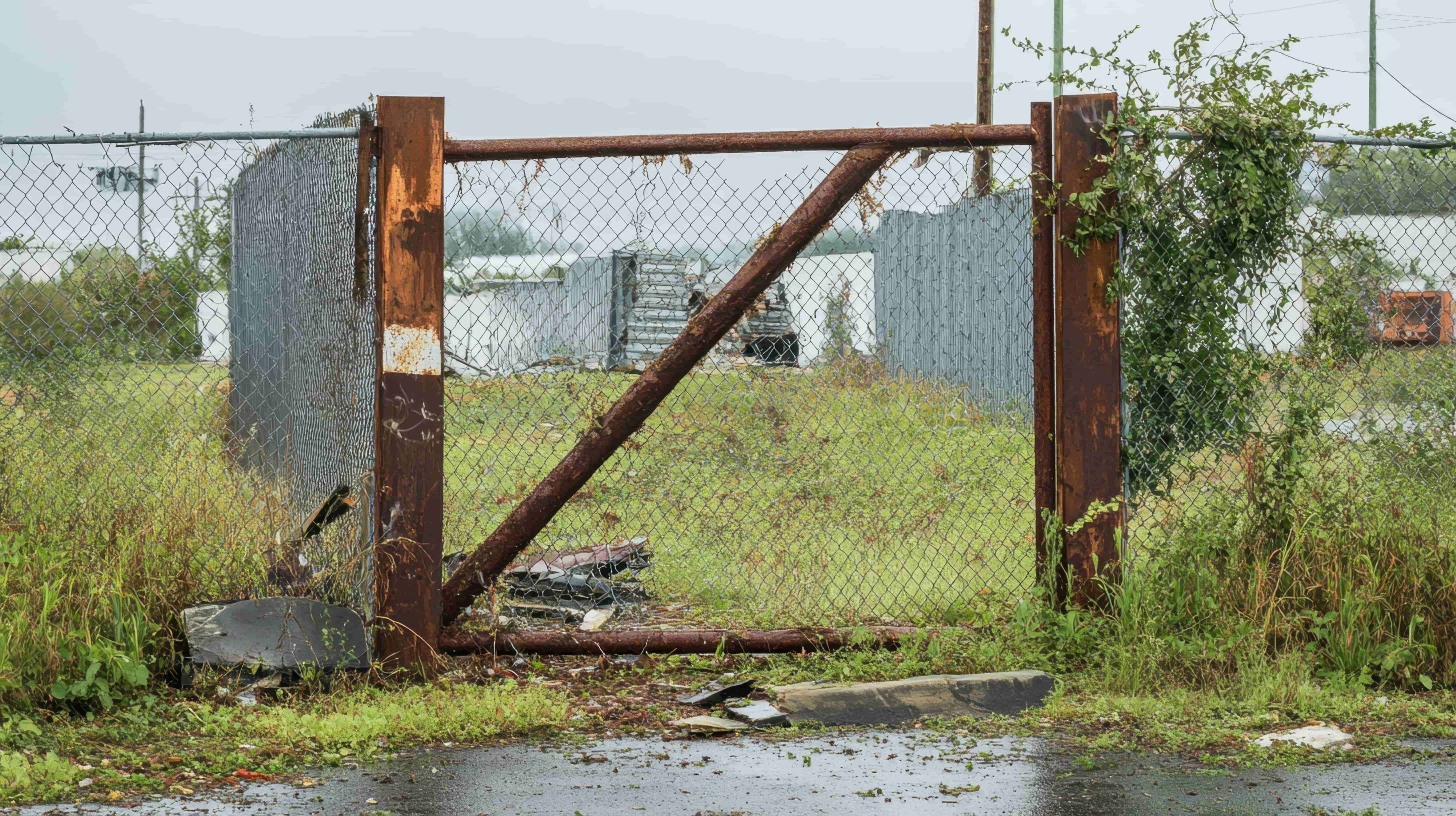
Replacing a garden fence is one of those jobs that feels satisfying right up until the moment you're standing in your garden surrounded by rotting timber, broken panels, and rusting metal posts — wondering what on earth you're going to do with it all. If you live in London, you know space is at a premium. You can't simply leave a pile of old fencing on the pavement, and getting it to a local tip yourself isn't always practical when you're dealing with long, awkward lengths of timber.
This guide covers every legitimate, practical option available to London residents for disposing of old fencing and fence panels — from DIY disposal routes to professional rubbish removal — so you can clear your garden quickly, legally, and responsibly.
If you need the fastest legal option, book a licensed rubbish removal team that collects old fencing from your address and separates timber, metal, and concrete for proper disposal. For smaller amounts, your borough HWRC or council bulky collection can work, but waiting times, access limits, and booking rules vary.
This page is written for London residents searching for:
Before we get into the how, it's worth understanding the why. Improper disposal of garden waste — including old fencing — can result in:
London councils take fly-tipping seriously, and old fencing left on public land or dumped illegally is a leading cause of enforcement action. Beyond the legal risks, disposing of fence panels responsibly is simply the right thing to do — especially when so much of it can be recycled or repurposed.
Not all fencing is the same, and the material determines your best disposal route.
| Fencing Type | Material | Recyclable? | Special Considerations |
|---|---|---|---|
| Lap panels | Softwood timber | Yes (wood waste) | May be pressure-treated — check |
| Featherboard | Softwood timber | Yes | Often reusable if in good condition |
| Closeboard | Softwood/hardwood | Yes | Good for chipping/composting |
| Trellis | Softwood timber | Yes | Easy to break down |
| Chain-link | Metal/galvanised steel | Yes (metal recycling) | Sharp edges — handle carefully |
| Post and rail | Softwood timber | Yes | Posts may be concreted in |
| Panel fencing with gravel boards | Mixed (wood + concrete) | Partially | Concrete boards need separate disposal |
| Metal railings | Steel/iron | Yes (scrap metal) | High scrap value — may be collected free |
| Concrete fence panels | Concrete | Yes (inert waste) | Heavy — professional collection advised |
| Composite fencing | Mixed materials (wood fibre + plastic) | Limited | Check with your local council |
Key insight: Pressure-treated timber — identifiable by its green or brown tint — contains preservative chemicals. While it can still go to wood recycling, it cannot be home composted or burned in a domestic fire.
For most London homeowners, this is the most practical solution. A professional rubbish removal service will arrive at your property, load all the old fencing and fence panels for you, and take it away for responsible disposal — often including recycling where possible.
Why this works particularly well in London:
At London Rubbish Collection, we regularly clear old garden fencing for homeowners across London — from single panel replacements to full boundary clearances. Our team handles everything from loading to disposal, and can combine wood waste collection for timber-heavy jobs.
Typical cost: £80–£300+ depending on volume, access, and materials. Always cheaper than the hidden costs of DIY disposal when you factor in van hire, tip fees, and your time.
London has a network of Household Waste and Recycling Centres (sometimes called tips or dumps) where residents can drop off bulky garden waste for free — including old fencing and fence panels.
What you need to know:
Popular London HWRCs include:
Tip: Before making the trip, always check your borough council's website for opening hours, booking requirements, and any material restrictions. Rules vary significantly between London boroughs.
Some London boroughs offer a bulky waste collection service where council workers collect large items — including garden timber — from your home. This is not a universal service, and availability, cost, and volume limits vary widely.
How it typically works:
Limitations to be aware of:
Best for: Small amounts of fencing when you're not in a rush and want a budget option. If you need quicker turnaround, same-day rubbish removal is usually the fastest route.
Skip hire is a traditional option for large-scale garden clearances, including old fencing disposal. However, in London, it comes with some important considerations.
Pros of skip hire:
Cons in a London context:
Estimated costs:
| Skip Size | Typical Volume | Estimated Cost (London) |
|---|---|---|
| Mini skip (2 yd³) | Small fence clearance | £100–£160 |
| Midi skip (4 yd³) | Medium fence project | £150–£220 |
| Builder's skip (6–8 yd³) | Large boundary replacement | £220–£350+ |
| (Costs exclude permit fees where applicable) |
Skip alternative: Many Londoners choose a skip hire alternative because it is often cheaper and faster once you factor in permit costs and hire periods.
If your old fence panels are still structurally sound — perhaps you're replacing them simply for aesthetic reasons or as part of a renovation — they may have value to someone else.
Where to list them:
Reality check: If panels are rotted, warped, or broken, don't waste time listing them — they're unlikely to find a new home and you're better off going straight to a removal or recycling option.
If you have untreated timber fencing, there are creative ways to reuse it without any disposal cost at all.
Repurposing ideas:
Composting: Untreated softwood can be chipped and added to a compost heap, where it acts as a carbon-rich 'brown' material. However, do not compost pressure-treated timber — the preservative chemicals are harmful to soil biology and, ultimately, to plants and people.
Whether you're taking it to a tip yourself or having it collected by a rubbish removal team, a little preparation makes the process faster and easier.
Yes — and much of it can be. Here's how the main materials are typically processed:
At London Rubbish Collection, we aim to recycle or divert from landfill as much material as possible, including wood waste from garden clearances.
If you are comparing providers, check for clear London coverage, licensed waste handling, and disposal documentation. Disposal rules and HWRC access vary by borough, so a service that already operates across London usually avoids delays and mis-sorting issues.
For urgent clearances, same-day collections are often the most practical route for households replacing full boundary fencing, especially when timber and concrete need different waste streams.
Professional rubbish removal for old fencing in London typically costs between £80 and £300, depending on the volume, material type, and ease of access. This usually represents better value than skip hire when you factor in permit costs and the effort of loading the skip yourself.
In most London boroughs, no — fence panels are too large and too heavy for standard garden waste bins. Some councils accept small amounts of cut-down timber, but large fence panels or posts will be rejected. Check with your specific borough for guidance.
Burning garden waste — including old timber fence panels — is heavily restricted in London. Under the Environmental Protection Act, creating a nuisance bonfire can result in a fine. Pressure-treated timber must never be burned as it releases toxic chemicals. In most cases, burning fence panels in a London garden is inadvisable and potentially illegal.
Concrete fence posts are classified as inert waste and must be taken to a HWRC that accepts concrete, or collected by a rubbish removal service that handles mixed garden waste. They cannot go in with timber wood waste. Professional removal is often the most practical option given their weight.
No — leaving fence panels on the public pavement without an arranged collection is fly-tipping and can result in a fixed penalty notice. Always arrange a bulky waste collection through your council or book a professional removal service before placing items outside your property.
Pressure-treated timber typically has a green, brown, or slightly blue-grey tint — particularly visible on cut ends. It was used widely from the 1990s onwards. If your fence is more than a few years old and you're unsure, treat it as pressure-treated to be safe.
Booking a same-day or next-day rubbish removal service is typically the fastest option. Professional teams can arrive at short notice, clear all the fencing, and dispose of it responsibly — often within a couple of hours.
Whether you're replacing a few broken panels or clearing an entire garden boundary, our bulky waste collection service makes old fencing disposal simple, fast, and stress-free.
If you want a broader solution for mixed household or outdoor waste, our waste management service is available across all London boroughs.
Get a free, no-obligation quote today — fully licensed, same-day collection available 7 days a week.

A complete guide to recycling old computers...
24 Apr 2025
Top 5 Ways to Dispose of a Microwave Oven...
06 Sep 2024
Top Ways on How to Get Rid of a Mattress...
30 Jul 2024
Top Innovative Ideas for Recycling...
30 Jul 2024