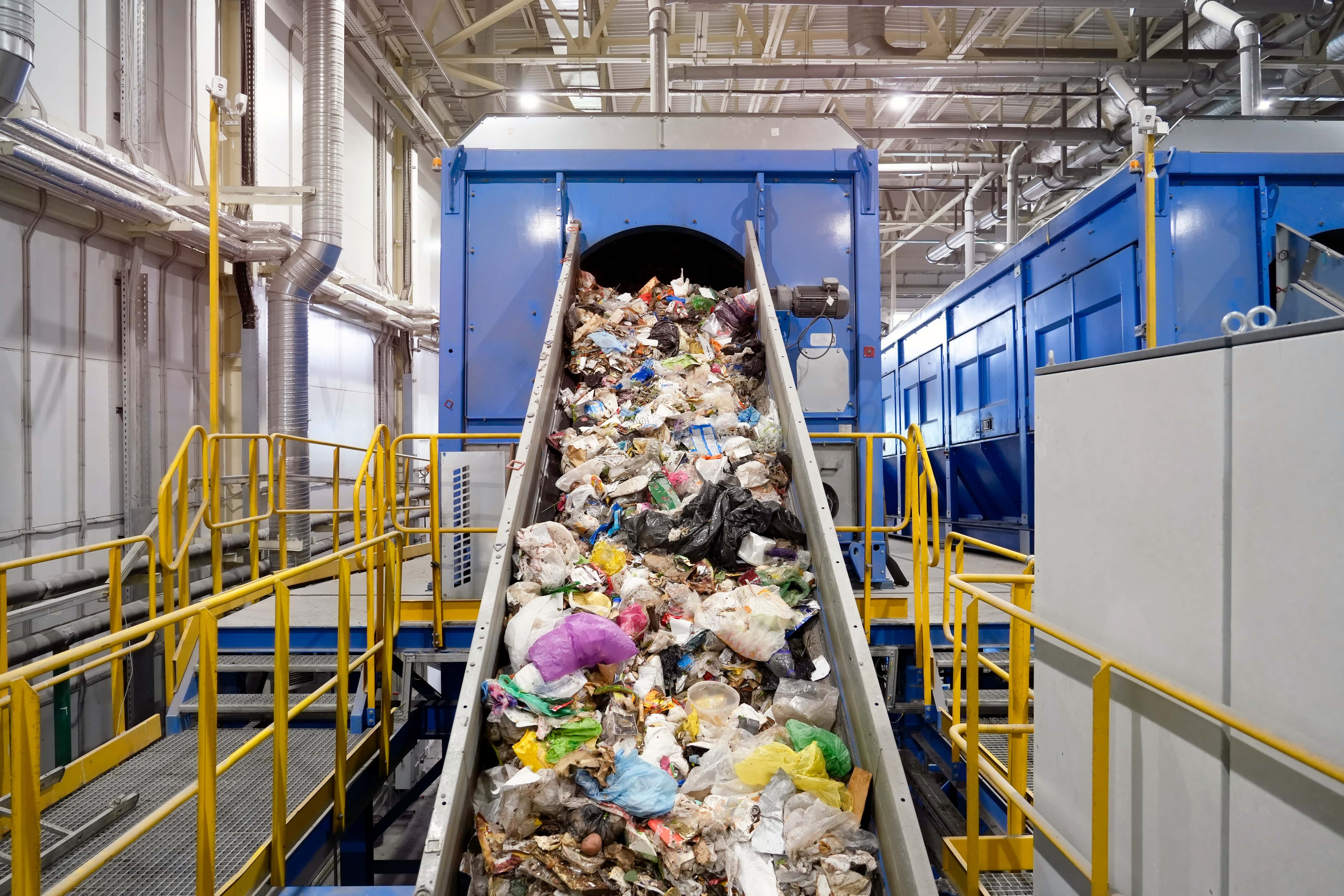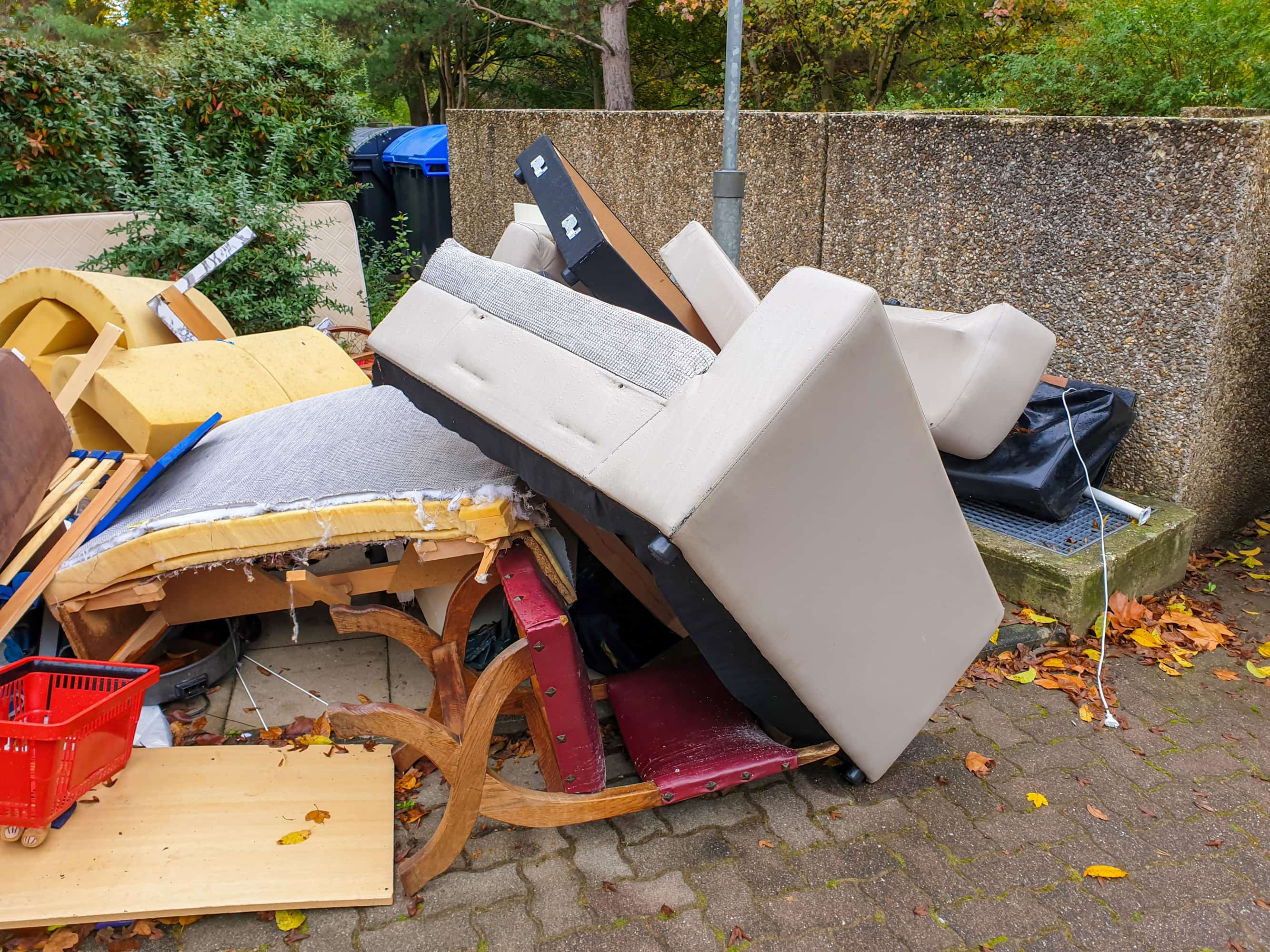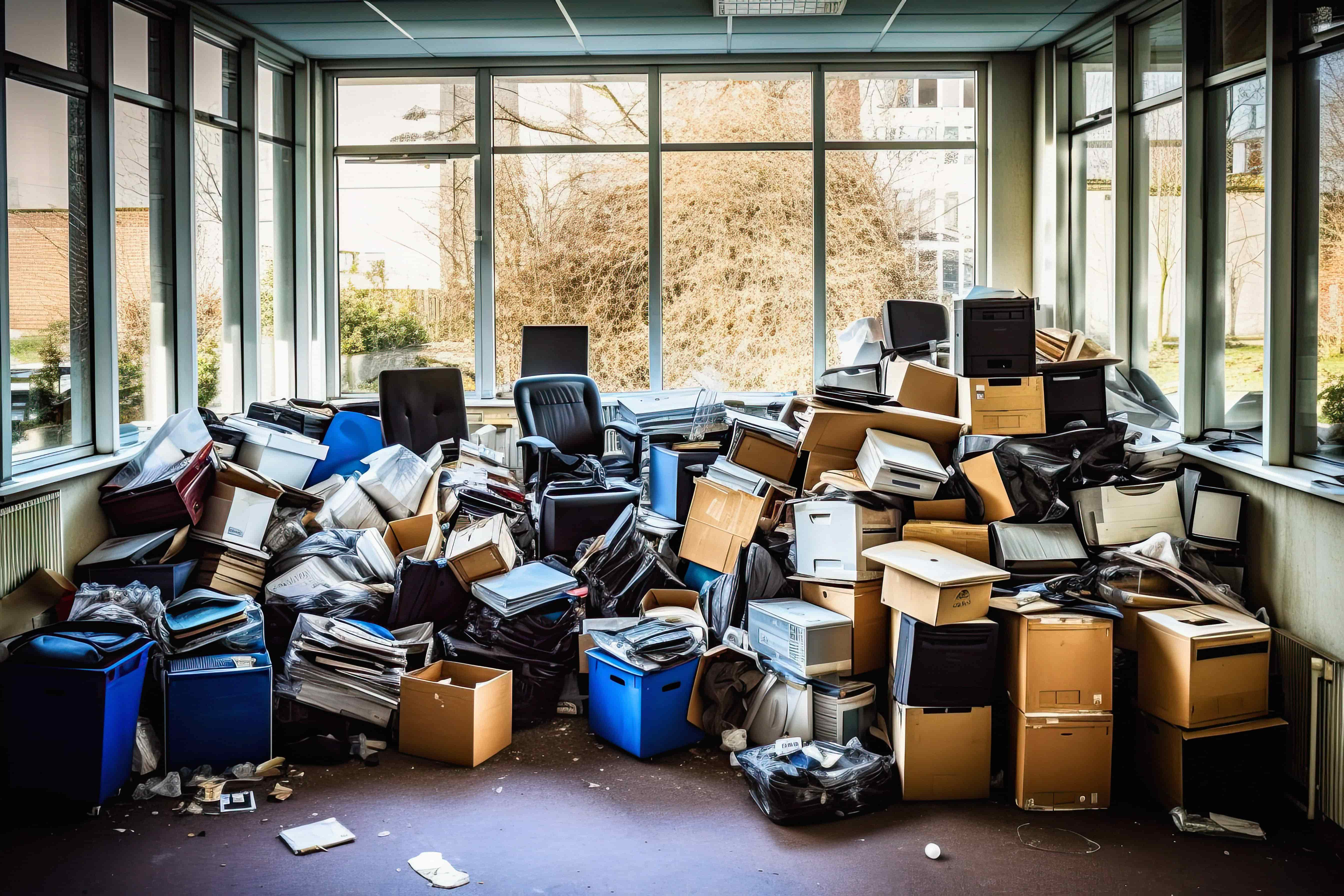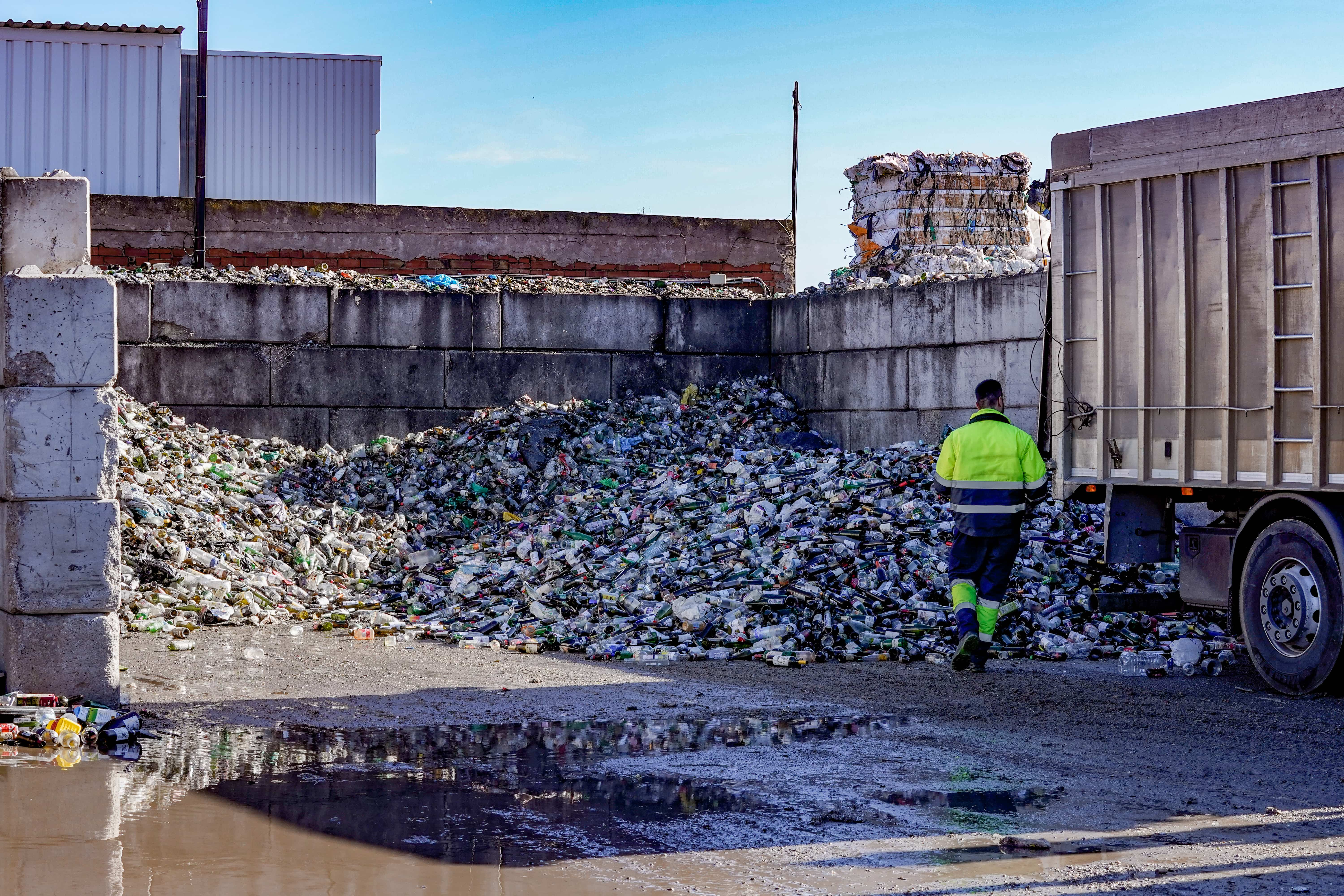
Managing waste is one of the least glamorous — yet most essential — responsibilities for anyone running a charity shop or donation centre in London. Between rejected donations, broken furniture, unsellable clothing, and general business waste, the volume of rubbish that accumulates can quickly become overwhelming.
This guide walks you through everything you need to know: what types of waste charity shops typically generate, your legal obligations under UK waste regulations, the most practical collection options available in London, what it costs, and how to put a reliable, cost-effective commercial waste collection service plan in place — without it consuming your budget or your time.
If you run a charity shop or donation centre in London, the most reliable approach is to:
For most sites, a base commercial collection plus on-demand collections for overflow and large donated items is the most practical setup.
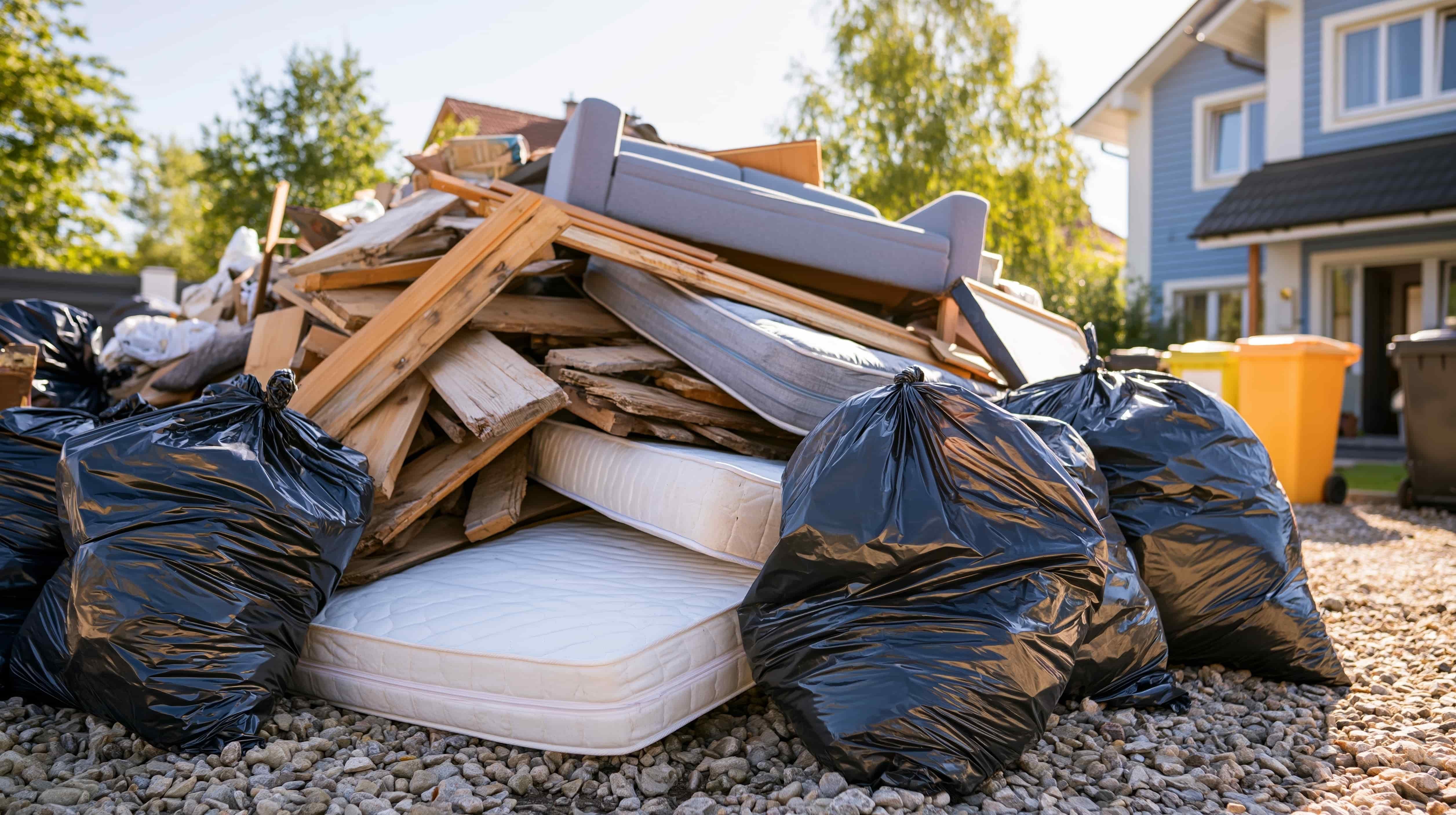
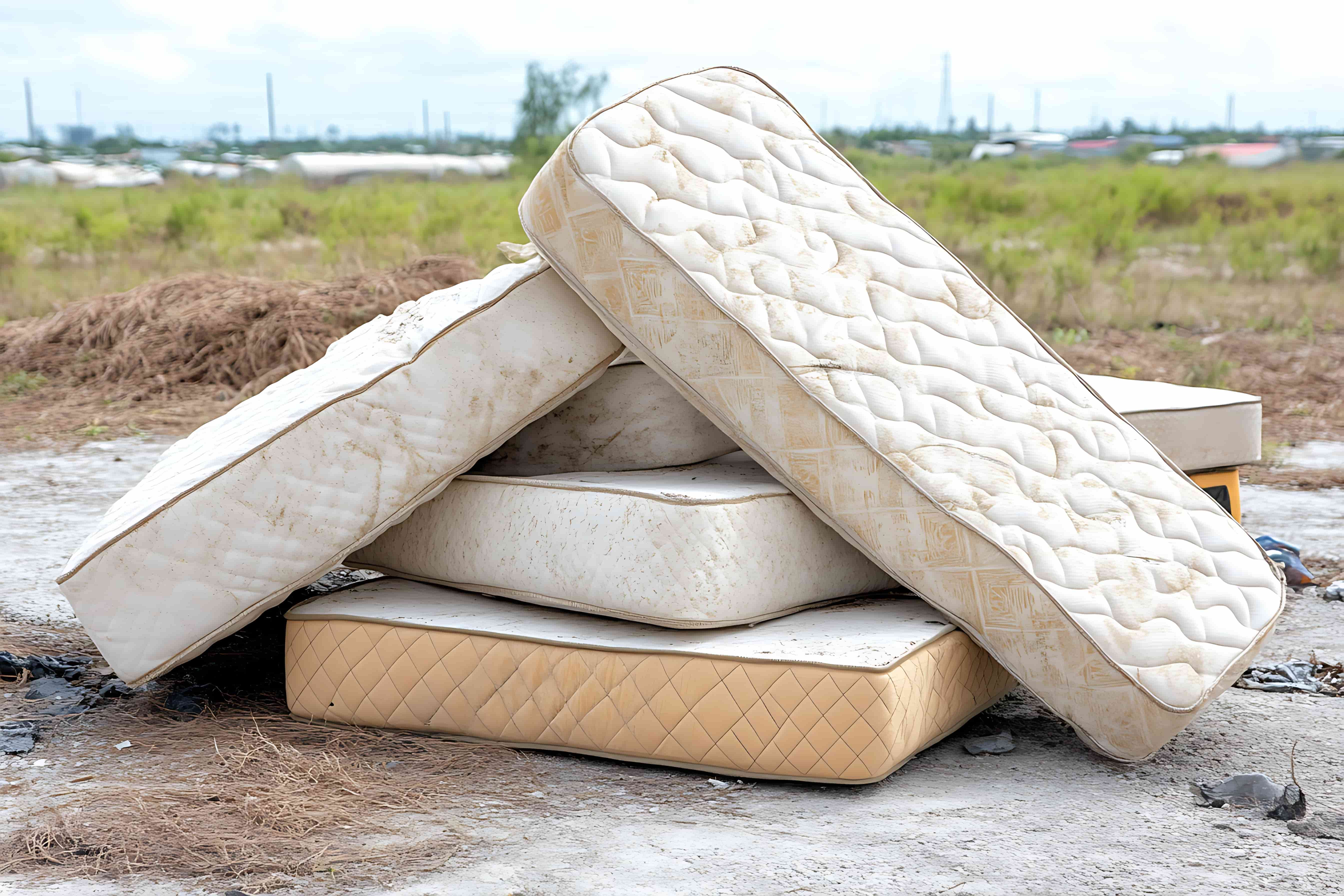
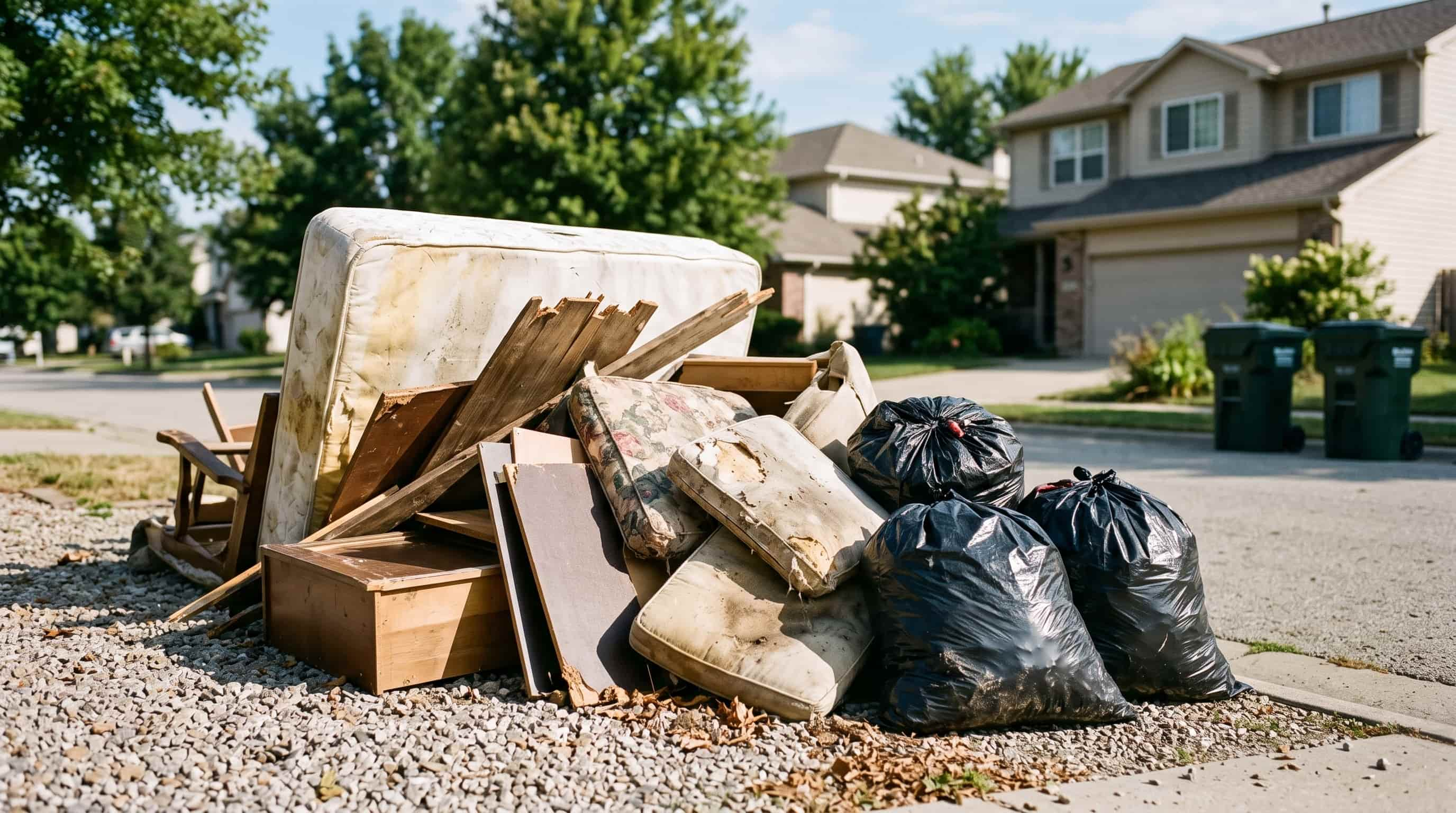
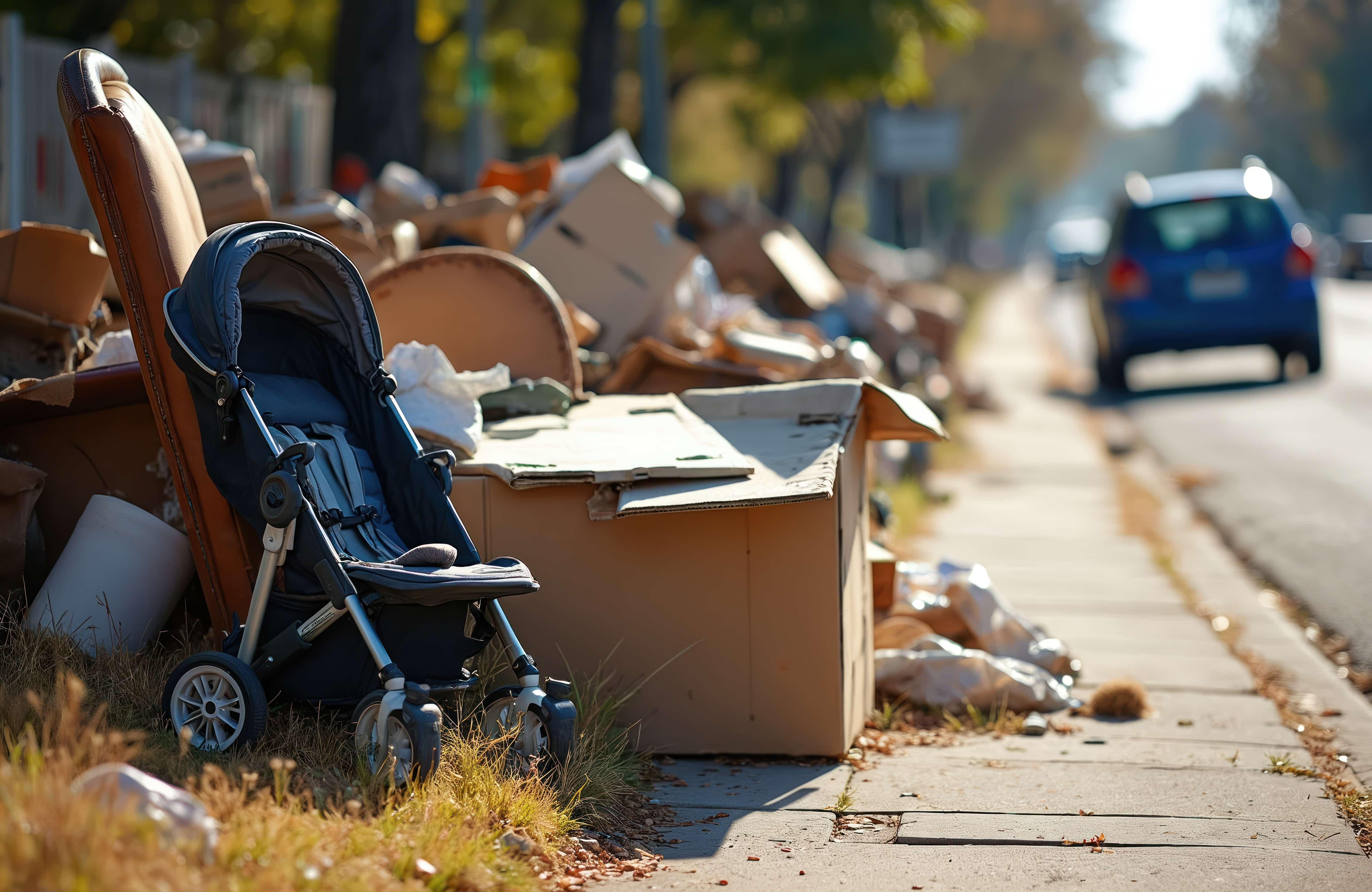
Charity shops and donation centres operate differently from standard retail businesses. You don't control what comes through the door. Members of the public donate items in every condition imaginable — from pristine furniture to mouldy mattresses, from gently worn clothing to bags of broken electricals.
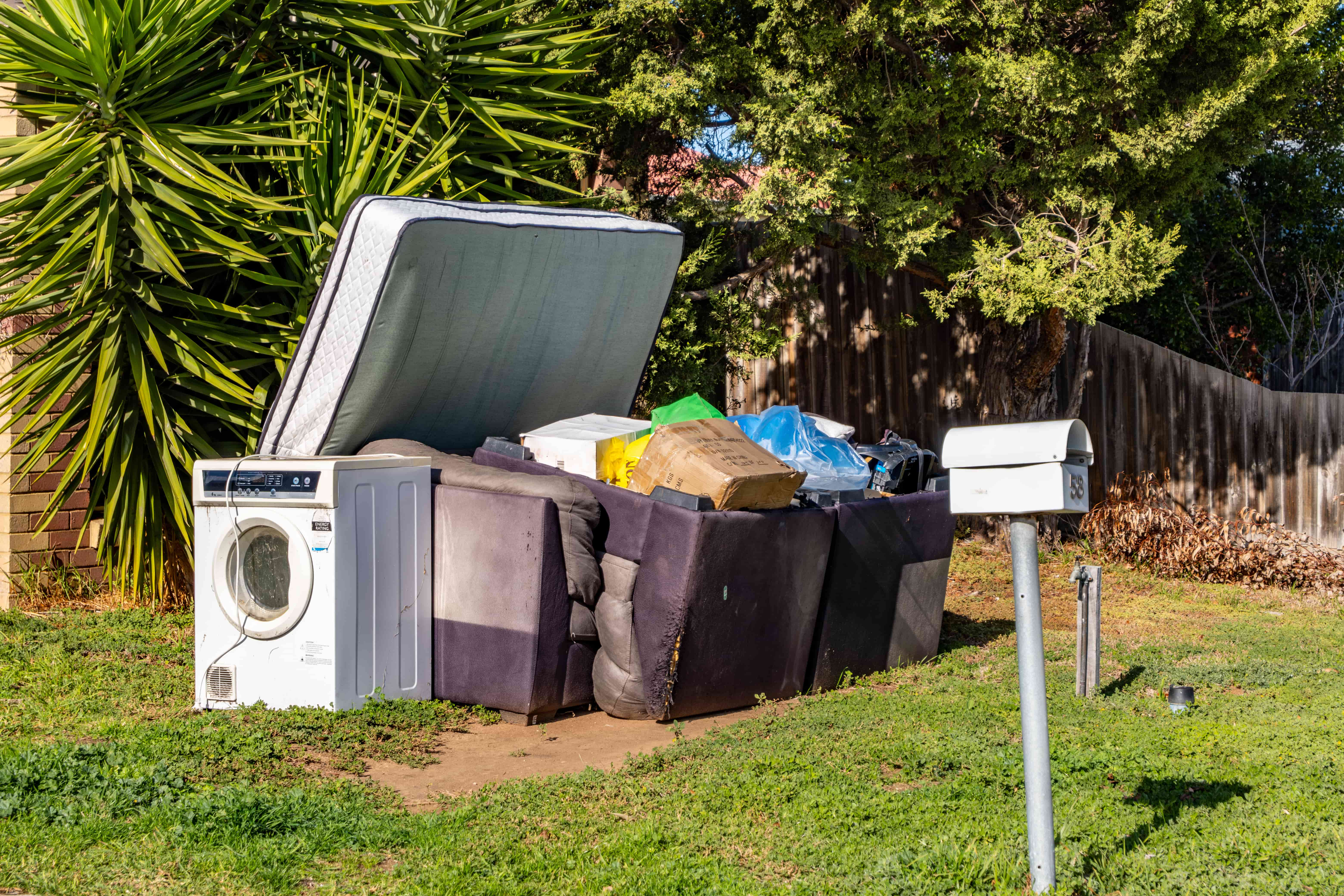
This creates a constant and unpredictable waste stream that standard business waste contracts aren't always designed to handle, especially when large donated items need bulky waste collection at short notice.
Common waste challenges faced by London charity shops include:
Without a clear waste management strategy, charity shops risk cluttered stockrooms, health and safety hazards, potential legal non-compliance, and unnecessary costs.
Waste planning for charity shops in London should account for borough-level access constraints, congestion, and property layout.
Location factors that affect collection reliability and pricing:
Whether you operate in Camden, Westminster, Islington, Hackney, Southwark, Lambeth, Hammersmith & Fulham, or outer boroughs, these logistics directly influence collection speed and cost.
All businesses in the UK — including charities — have a legal Duty of Care under the Environmental Protection Act 1990 to ensure their waste is handled responsibly.
This means:
Key fact: Charity status does not exempt an organisation from waste legislation. The same rules that apply to a high street retailer apply to a charity shop.
Councils across London — including Westminster, Southwark, Hackney, Hammersmith & Fulham, and all 32 London boroughs — actively enforce these obligations. Fines for breaches can reach £5,000 for fixed penalties and potentially far more through prosecution.
Always ensure your waste contractor is registered with the Environment Agency as a licensed waste carrier. You can verify this on the Environment Agency's public register.
Understanding your waste streams is the first step to managing them effectively.
| Waste Type | Examples | Collection Method |
|---|---|---|
| General commercial waste | Packaging, paper, general rubbish | Scheduled commercial collection |
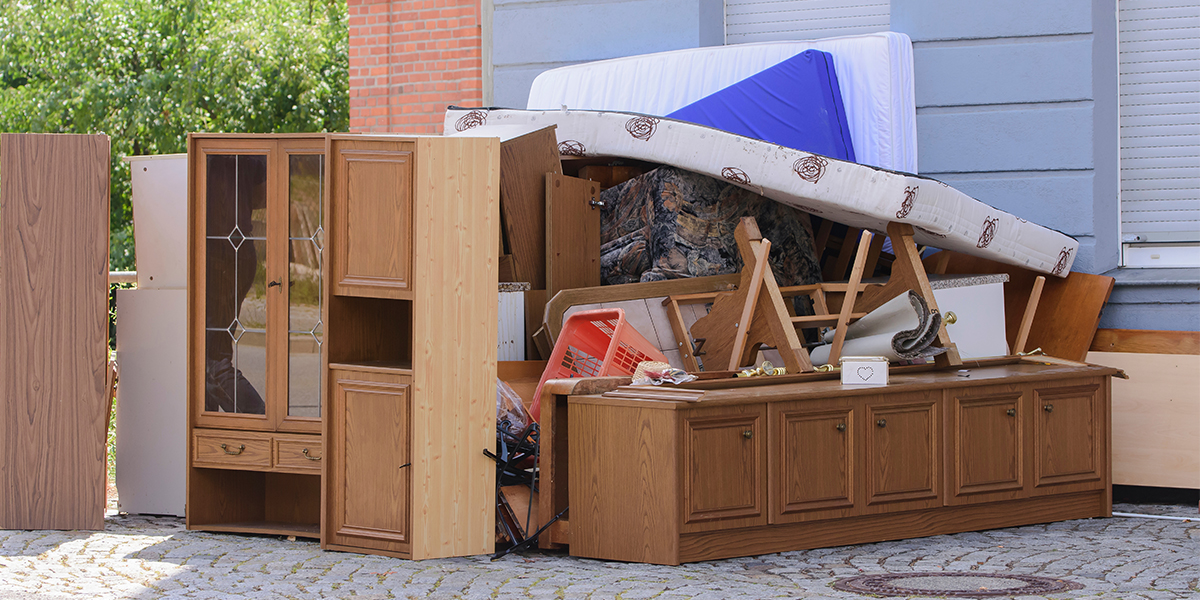
| Bulky waste | Sofas, beds, wardrobes, appliances | On-demand bulky waste collection |
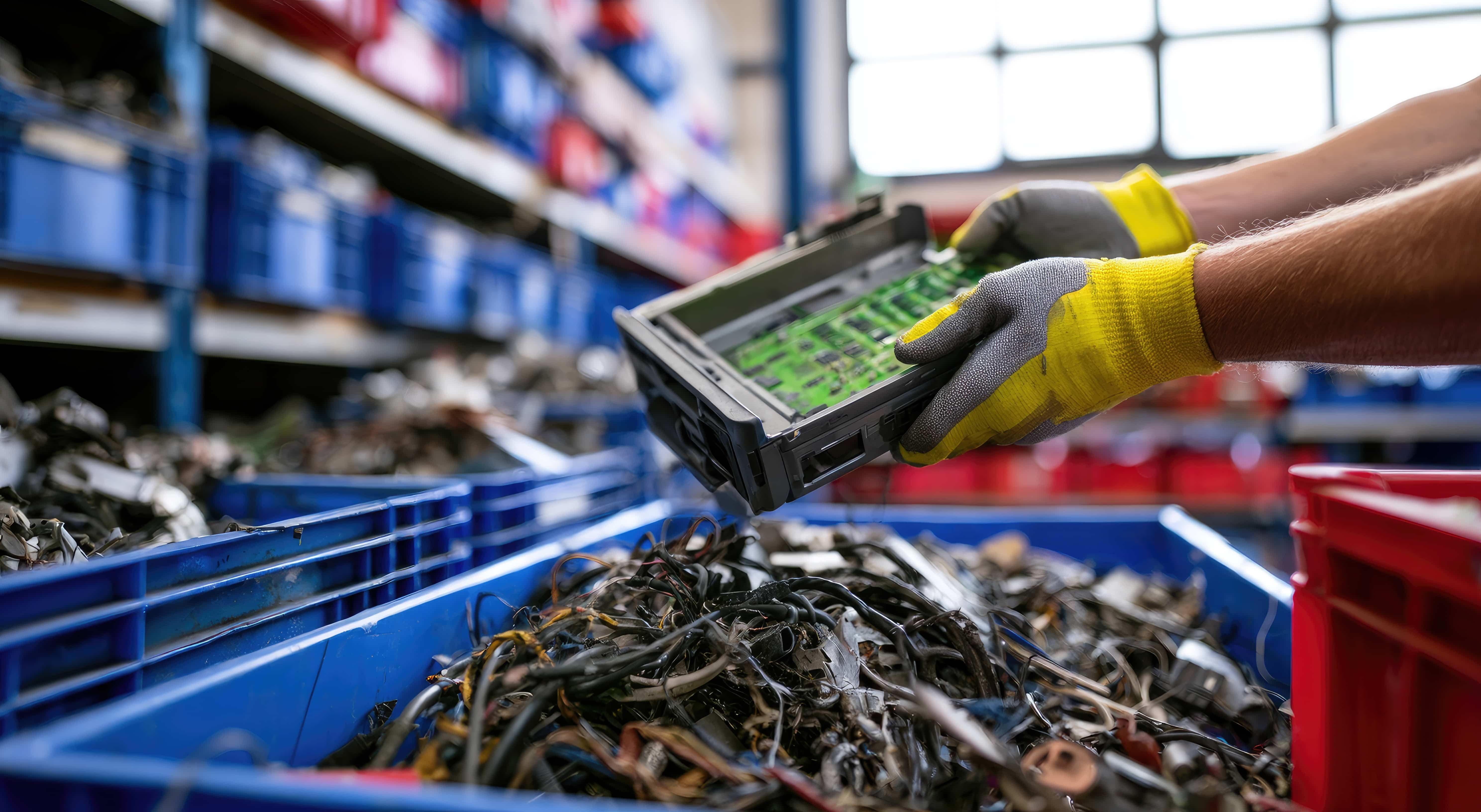
| WEEE (electrical waste) | TVs, toasters, fans, lamps | Specialist WEEE collection |
| Textiles | Unsellable clothing, shoes, fabric | Textile recycling service |
| Cardboard & paper | Donation boxes, display boards | Recycling collection |
| Hazardous items | Batteries, paint, chemicals | Specialist disposal only |
| Bio-waste | Mouldy items, contaminated goods | General commercial waste stream |
Before you book anything, spend a week logging what waste you produce, how much of it, and how often. This prevents you from over-paying for a container that's too large or struggling with one that's too small.
Ask yourself:
Commingled waste is more expensive to dispose of and limits your recycling options. Set up clearly labelled areas in your stockroom or back office for:
This simple step can meaningfully reduce your waste disposal costs.
London charity shops typically have three main options:
Most London boroughs offer commercial waste collection services. These can be cost-effective for general waste but are often inflexible with bulky items and may not cover all waste types.
Pros: Established service, familiar provider
Cons: Limited flexibility, often unable to handle bulky or specialist waste
Large waste management companies offer contract-based services. These suit larger charity chains with multiple London premises.
Pros: Consistent service, single invoice
Cons: Less flexibility for one-off collections, contract lock-in
For many charity shops — particularly independents and smaller chains — a professional same-day or on-demand rubbish collection service offers the best combination of flexibility, speed, and value.
Pros: On-demand bookings, bulky waste handled, no long contracts, transparent pricing
Cons: Per-collection pricing may be higher than a contract for very high-volume sites
Recommendation: For most London charity shops, a combination of a base commercial waste contract for general rubbish and an on-demand service for bulky donations and clearances offers the most practical and cost-effective approach.
When booking a rubbish collection for your charity shop, have the following ready:
If you're planning collections around donor drop-off peaks, ask for fixed weekly slots and optional emergency callouts so excess waste doesn't build up on the shop floor.
Every time waste is collected from your premises by a third party, you are legally required to obtain a Waste Transfer Note. Keep these on file for a minimum of two years. They serve as your evidence of legal compliance if you are ever inspected.
Costs vary depending on waste type, volume, and frequency. Below is a general guide based on typical London market rates.
| Service | Typical Cost Range |
|---|---|
| General commercial waste (weekly, small bin) | £20–£50 per collection |
| Bulky waste removal (1–2 items) | £80–£150 |
| Full van load clearance | £200–£400 |
| WEEE electrical waste collection | £50–£150 depending on volume |
| Cardboard recycling collection | Often free or low cost |
| One-off shop clearance | £300–£800+ depending on volume |
Money-saving tip: Many professional rubbish removal companies in London offer charity discounts. It is always worth asking — a 10–15% reduction is not uncommon for registered charities.
For SEO and operational clarity, track your cost per collection and cost per waste stream monthly. This helps identify whether general waste, bulky uplift, or electrical disposal is driving spend.
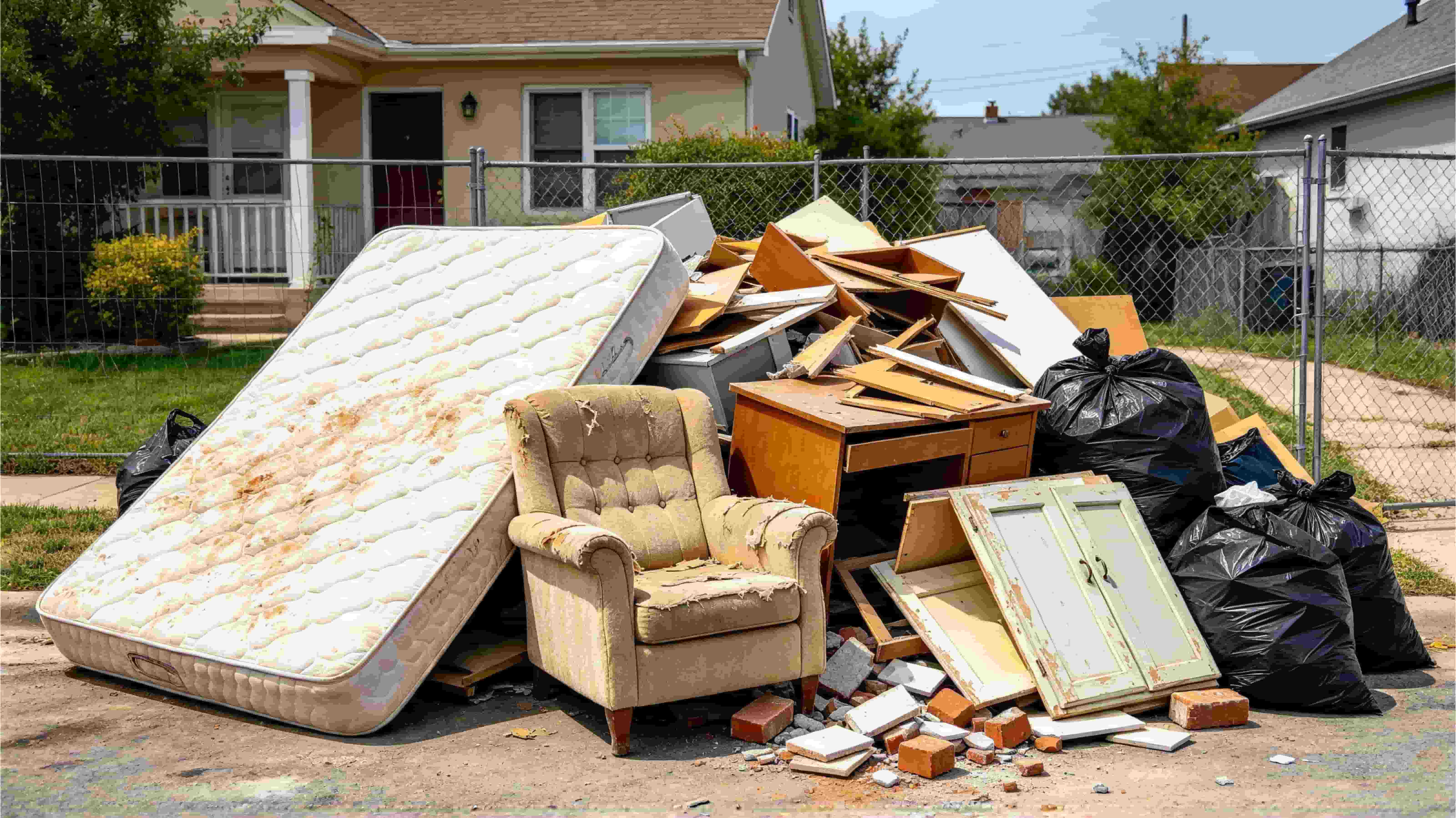
One of the most frequent operational challenges for London donation centres is what to do when large items arrive that cannot be sold — a sofa with a stain, a broken wardrobe, an oversized appliance.
Best practices for managing bulky donated items:
The Waste Electrical and Electronic Equipment (WEEE) Regulations 2013 impose specific obligations on how electrical items must be disposed of. Charity shops that accept or sell second-hand electricals need to understand these rules.
You cannot place electrical items in general waste. WEEE must be:
Many London boroughs have WEEE collection facilities at their recycling centres. For larger volumes, a specialist WEEE recycling service is the most practical option.
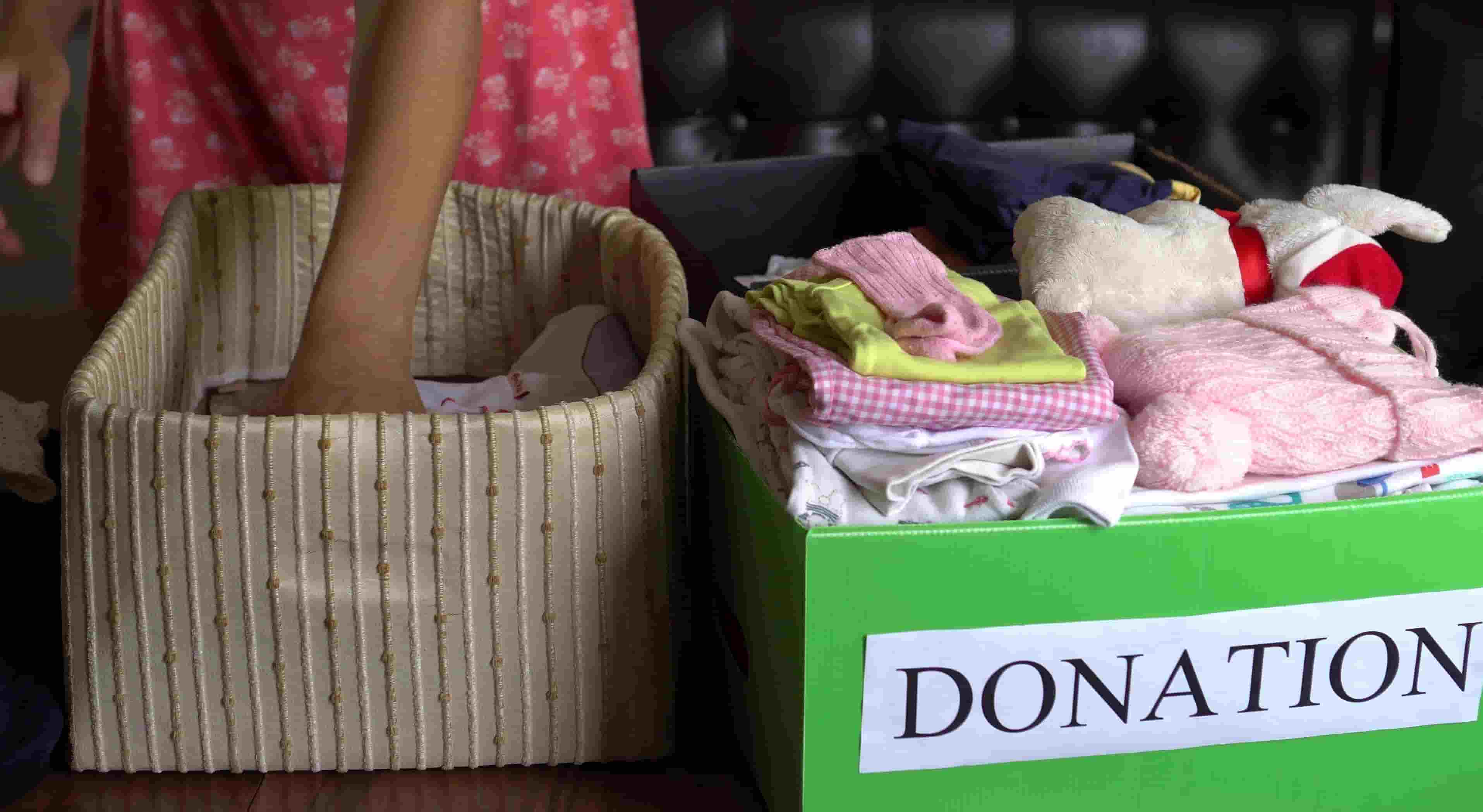
Not all donated clothing can be sold. Worn-out, damaged, or heavily stained garments are not suitable for resale — but they don't have to go to landfill either.
Textile recycling options for London charity shops:
Recycling unsellable textiles is both environmentally responsible and potentially a small revenue stream for your charity shop, particularly when combined with a broader waste management solution for mixed waste streams.
Avoiding these errors will save you money, reduce legal risk, and keep your operations running smoothly.
Use this checklist to audit your current arrangements:
For charity shops managing unpredictable donation volumes across a busy city, a professional rubbish removal service offers significant advantages over trying to manage everything in-house or through a local authority contract alone.
Benefits of using a professional service like London Rubbish Collection:
Whether you need a one-off clearance after a busy donation period or a reliable ongoing partner for your London charity shop's waste, the right professional service makes the whole process straightforward.
Book same-day charity shop rubbish collection in London →
Yes. Charity shops are business premises and must use licensed commercial waste collection services. You cannot use residential kerbside collections or public litter bins for shop waste.
Most active charity shops need at least weekly general waste collection. Bulky item collection is usually fortnightly or monthly, depending on donation volume and storage space.
A Waste Transfer Note is the legal record of waste moving from your premises to a carrier. Yes, every UK charity shop needs one for each collection and must keep records for at least two years.
Only if they are genuine waste and your bin is a designated commercial container collected by a licensed carrier. Recyclable textiles, electricals, and cardboard should be separated into the correct waste streams.
Use the Environment Agency's public register of licensed waste carriers. Any professional London provider handling your charity shop waste should appear on that register.
Sometimes. Some councils offer discounted charity rates, and textile recyclers may collect unsellable clothing at no cost. Most general and bulky waste collections are still paid services.
Treat them as WEEE (Waste Electrical and Electronic Equipment). Do not place them in general waste; use a licensed recycler, borough WEEE facility, or specialist electrical collection.
London Rubbish Collection is a licensed waste carrier operating across all London boroughs. We provide commercial rubbish collection, bulky waste removal, and one-off clearance services for businesses, charities, and organisations throughout the capital, including office waste clearance.
Get a free, no-obligation quote today — fully licensed, same-day collection available 7 days a week.
A complete guide to recycling old computers...
24 Apr 2025
Top 5 Ways to Dispose of a Microwave Oven...
06 Sep 2024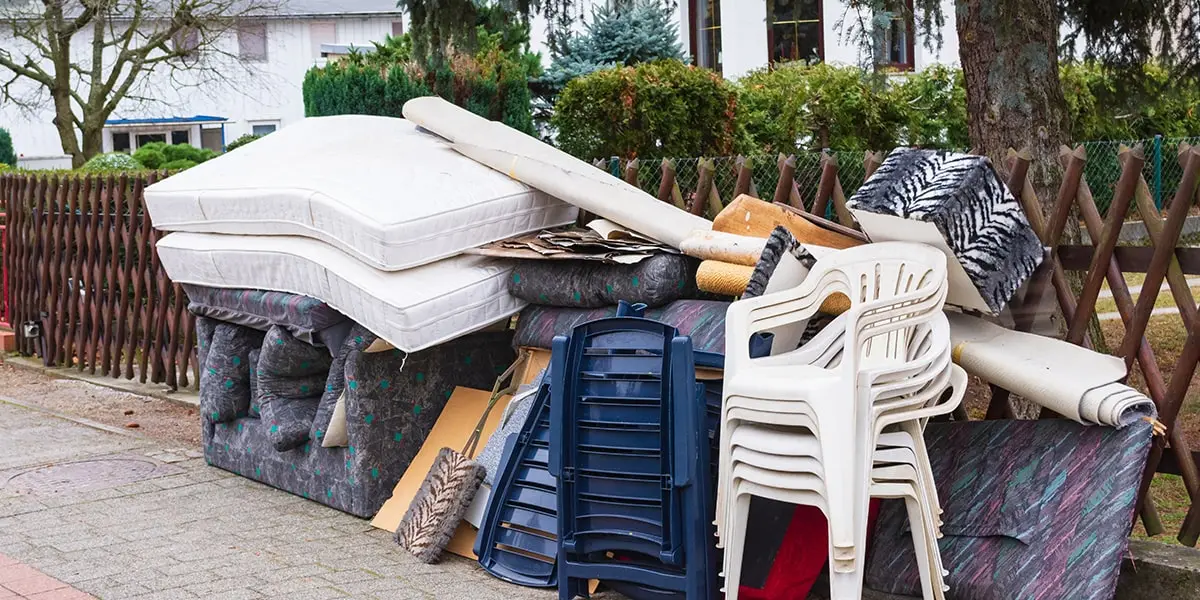
Top Ways on How to Get Rid of a Mattress...
30 Jul 2024
Top Innovative Ideas for Recycling...
30 Jul 2024