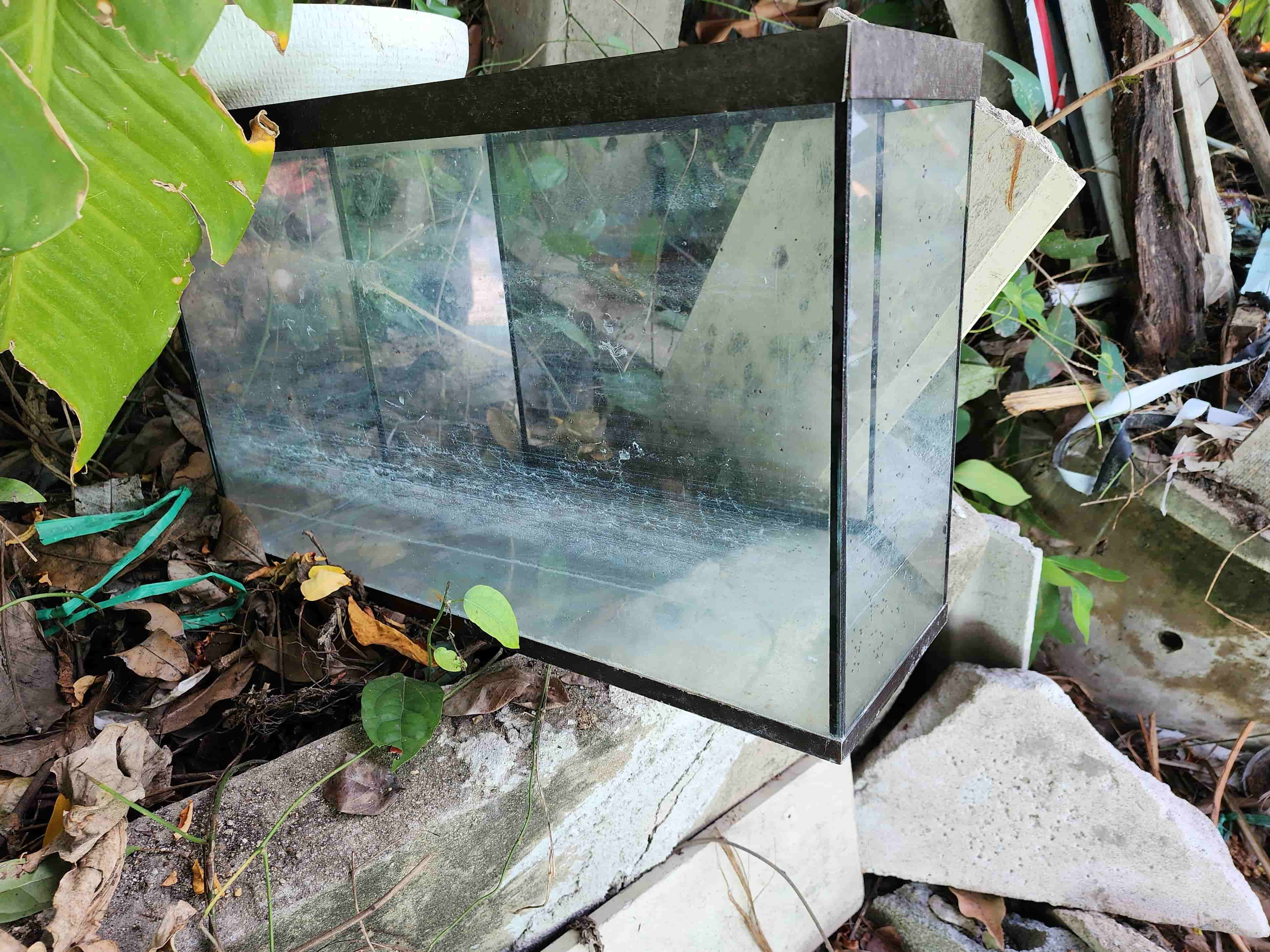
Whether you're downsizing, moving home, rehoming your fish or clearing out a cluttered room, getting rid of a large aquarium in London is rarely straightforward. A filled 200-litre tank holds around 200 kg of water alone, and even an empty setup combines thick glass or acrylic, a heavy cabinet, electrical equipment and chemical treatments — none of which belong in your wheelie bin.
This guide explains how aquarium removal in London works: how to prepare the tank, what can be sold, donated or recycled, what the law requires, how much fish tank disposal costs, and when a professional rubbish collection service is the smartest choice.
A fully equipped aquarium is not one item but several different waste streams, each with its own disposal route:
Electrical items are covered by the Waste Electrical and Electronic Equipment (WEEE) Regulations 2013, chemicals may count as hazardous household waste, and large glass panels are a serious injury risk during lifting. That is why aquariums of 200 litres or more are usually best removed by a trained, licensed team.
Find new homes for your fish before anything else. Good options include:
Important: Never release aquarium fish, terrapins or plants into London's rivers, canals or ponds. Releasing non-native species into the wild is an offence under Section 14 of the Wildlife and Countryside Act 1981, and abandoned pets such as red-eared terrapins already damage London's waterways.
Drain the water gradually with a siphon hose into a bath, sink or toilet so it goes to the foul sewer. Never empty saltwater onto garden soil or into outside surface-water drains, which often flow straight into rivers.
Gravel, sand and aquasoil contain organic matter and bacteria, so bag them securely. Clean aquarium gravel is often wanted by gardeners, so it may be worth offering it locally before disposal.
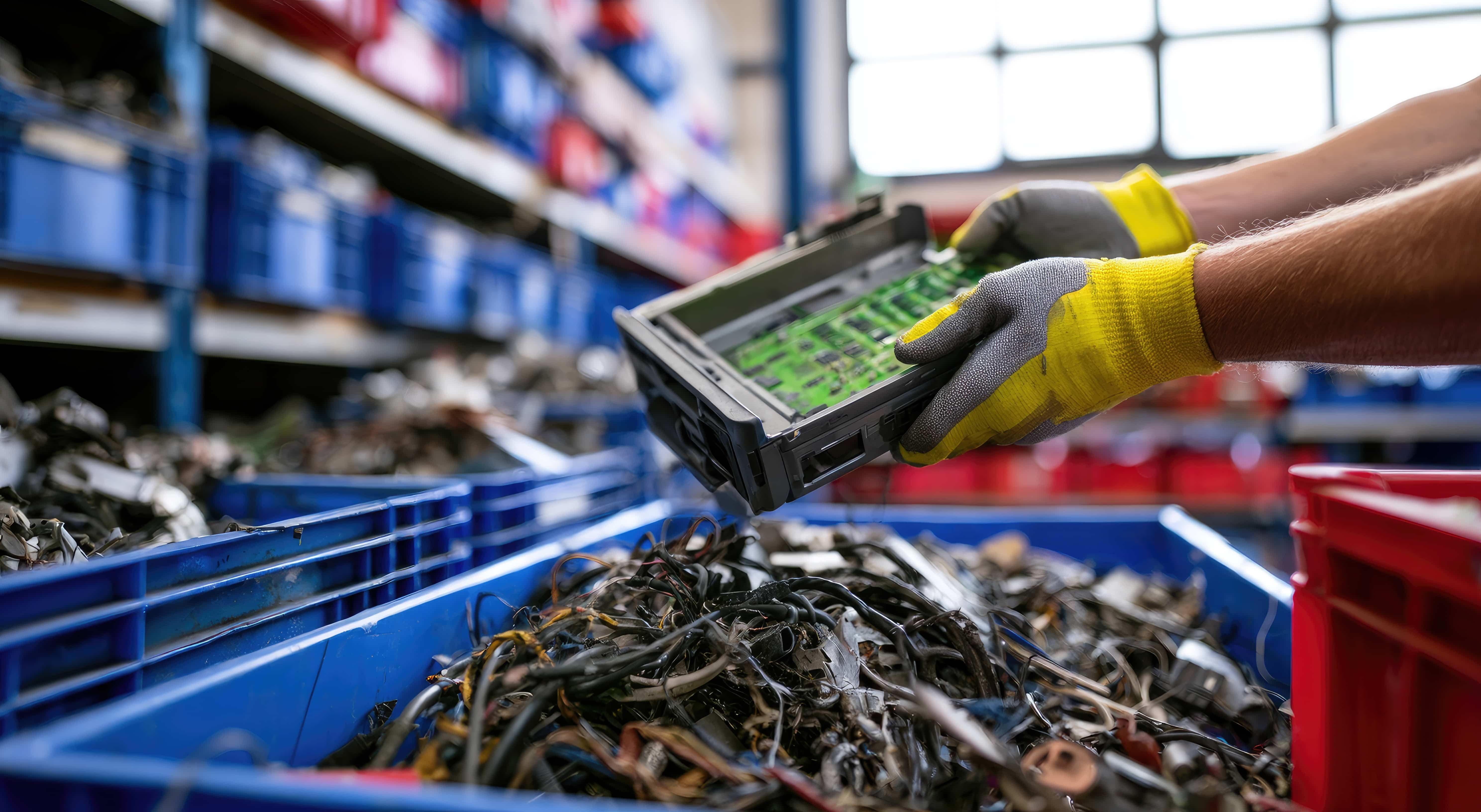
Photograph the setup before you disconnect anything — useful if you plan to sell equipment. Filters, heaters, UV units and lighting must not go in general waste. Dispose of them through:
Keep these out of drains and general waste:
Take them to your HWRC's hazardous waste area, or check your London borough council's website for hazardous household waste guidance.
If the tank holds water and the silicone is sound, selling it is the most sustainable choice. Typical used prices in London:
| Tank Size | Approximate Resale Value (Used) |
|---|---|
| 100–200 litres | £50–£150 |
| 200–400 litres | £150–£400 |
| 400–600 litres | £300–£700 |
| 600+ litres (custom) | £500–£2,000+ |
List it on Gumtree, eBay, Facebook Marketplace or specialist aquatic forums. Buyers normally collect, so make sure the tank is empty and easy to reach.
Most London boroughs offer a paid bulky waste collection, but there are limits:
Council collection works best for small tanks (under 100 litres) when you're not in a hurry.
London's HWRCs accept glass, electrical items, metal stands and some plastics, usually free for residents. The challenge is transport: a large tank needs a suitable vehicle, at least two people and careful lifting. Some sites also require a booking or restrict vans.
For large, heavy or awkwardly placed setups, booking a professional bulky waste collection team is the most practical, safe and time-efficient solution.
Benefits of a professional fish tank removal service:
Before booking, check that the company is registered as a waste carrier on the Environment Agency's public register. This is part of your household waste duty of care.
Aquarium removal in London typically costs £60–£100 for a small tank and £175–£500+ for a large or custom setup. The price depends on tank size, the amount of equipment, access (ground floor vs. an upstairs flat) and whether other items are cleared at the same time.
| Aquarium Setup | Estimated Removal Cost (London) |
|---|---|
| Small tank (up to 100L) + basic equipment | £60–£100 |
| Medium tank (100–300L) + cabinet + equipment | £100–£175 |
| Large tank (300–600L) + full setup | £175–£280 |
| Very large / custom setup (600L+) | £280–£500+ |
Note: Prices may be higher for restricted access — narrow staircases, no lift or basement flats — or where hazardous materials need specialist handling. Always ask for a fixed quote before booking.
Get a free, no-obligation quote for aquarium removal in London.
A responsible waste carrier sorts each part of your aquarium for the right recovery route:
Ask for a waste transfer note or written receipt showing the carrier's registration number and where the waste is going. A reputable company will provide one without hesitation.
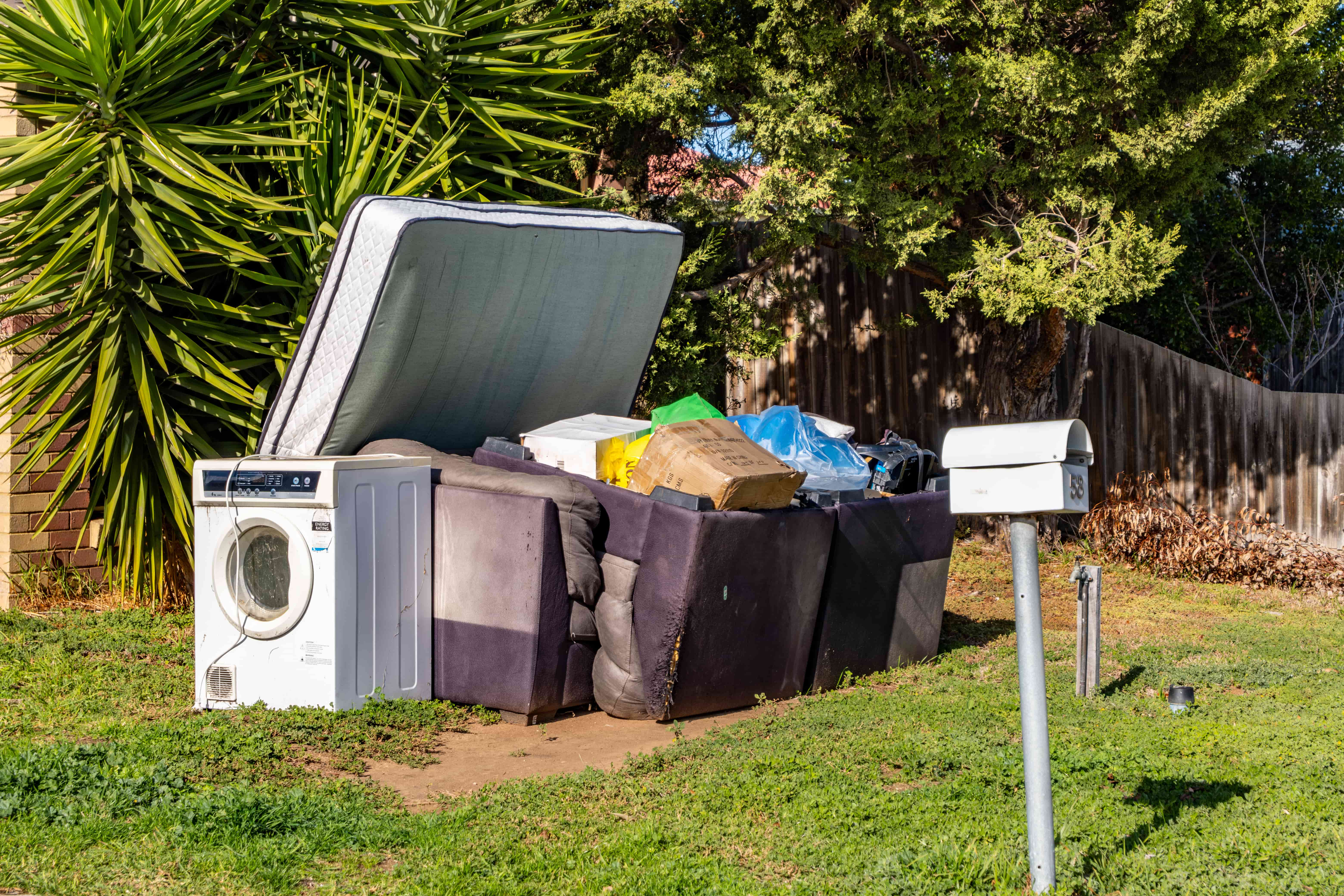
❌ Leaving the tank on the pavement — This is fly-tipping. Since July 2023, London councils can issue fixed penalties of up to £1,000, and prosecution can lead to unlimited fines.
❌ Smashing the tank to make it smaller — Aquarium glass is thick and shatters unpredictably, causing serious cuts.
❌ Pouring chemicals down outside drains — Many treatments are toxic to wildlife and must go to a hazardous waste point.
❌ Releasing fish into local waterways — It is illegal and damages native ecosystems.
❌ Hiring an unregistered "man with a van" — If your waste is fly-tipped, you can be fined up to £600 for breaching your household duty of care.
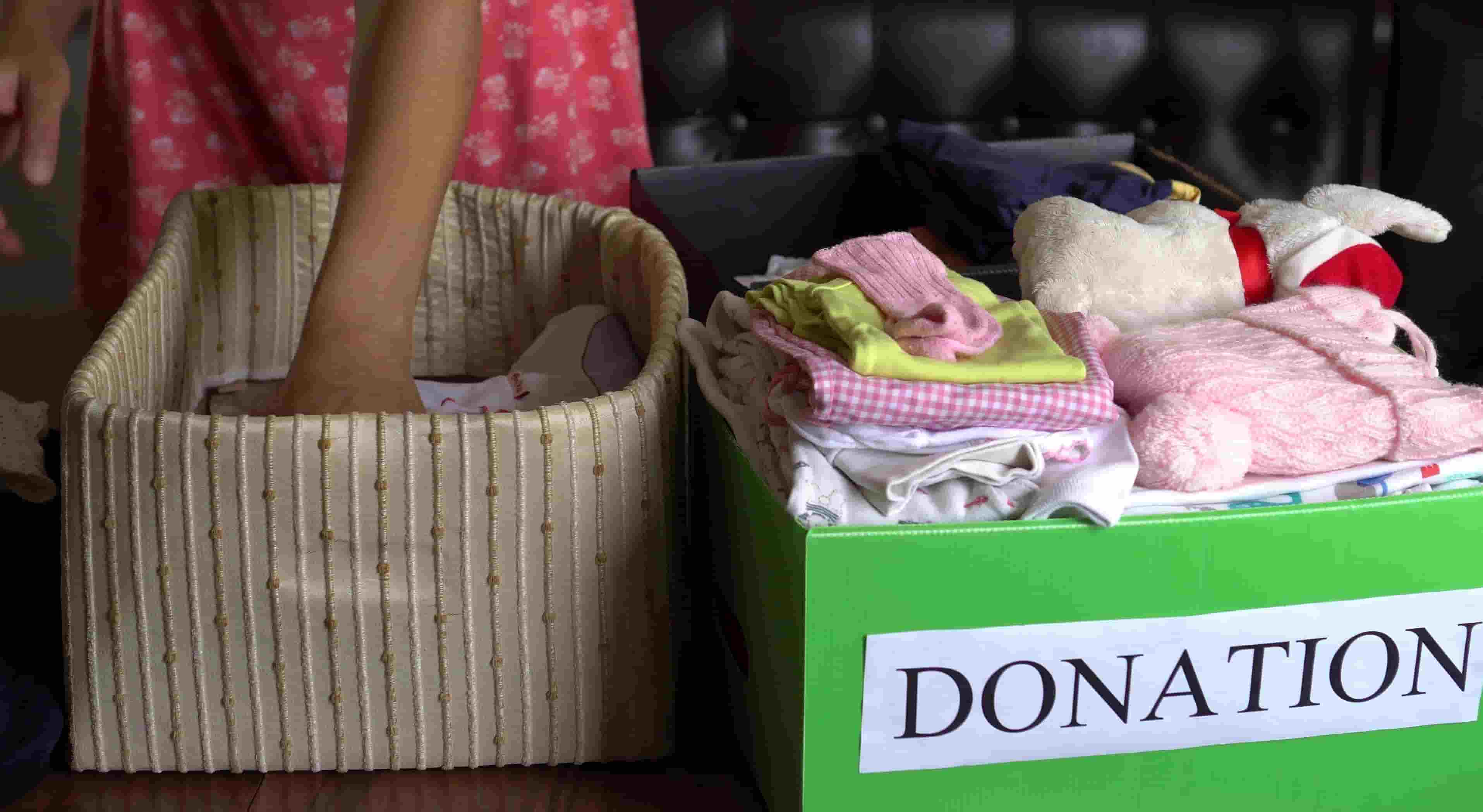
Yes — much of it has resale or reuse value:
| Item | Donation / Recycling Option |
|---|---|
| Working filters and pumps | Hobbyist groups, online marketplaces |
| Lighting units (LED/T5) | Resale, or WEEE recycling if faulty |
| Heaters | Resale if working, WEEE recycling if not |
| CO₂ systems | Resale (high demand among planted-tank keepers) |
| Driftwood and rocks | Hobbyist groups, garden use |
| Aquarium cabinets | Facebook Marketplace, Freecycle |
| Books and test kits | Local fishkeeping clubs |
London Rubbish Collection is an experienced, registered waste carrier operating across all London boroughs. Our team regularly removes oversized, fragile and awkward items — including large aquarium setups from homes, offices, schools, restaurants and commercial premises.
What sets us apart:
Whether it's a 200-litre tropical tank in a Hackney flat or a 1,000-litre custom reef system in a Kensington townhouse, we have the team and experience to remove it safely. If you're also clearing furniture, appliances or bagged rubbish, we can take everything in the same visit.
👉 Book household rubbish removal in London and have your aquarium cleared safely today.
Rehome the fish, drain the tank, bag the substrate and separate the electrical equipment. Then sell or donate the tank, take it to your local HWRC, book a council bulky waste collection for small tanks, or hire a registered waste carrier. For tanks over 200 litres, professional removal is usually the safest choice.
You can, but it is rarely the best option. Glass panels in a skip are an injury risk, a skip on the road needs a council permit, and some skip firms charge extra for glass. A man-and-van skip hire alternative is better equipped to handle aquarium glass and does all the lifting for you.
Yes. Leaving a fish tank or any other household item on the pavement is fly-tipping, an offence under Section 33 of the Environmental Protection Act 1990. Councils can issue fixed penalties of up to £1,000, and prosecution can lead to unlimited fines.
Yes, but not in your household recycling bin. Aquarium glass is thicker than bottle glass and usually has silicone attached, so it should go to the glass or bulky waste area at an HWRC, or be collected by a waste carrier who sends it for specialist recycling.
Don't pour them down household or outside drains. Take them to the hazardous waste section of your local HWRC, or ask a licensed clearance company to dispose of them responsibly.
A professional team can usually drain, dismantle and load a standard home aquarium in 1 to 3 hours, depending on size, equipment and access. Large custom or built-in setups can take longer.
Yes. Working filters, heaters, lighting, CO₂ systems and decorations can be donated through fishkeeping clubs, Freecycle, Facebook Marketplace or aquatic forums. Some London aquatic shops also accept working second-hand equipment.
Aquarium removal in London typically costs from £60 for a small tank with basic equipment to £500 or more for a large custom setup. Tank size, weight, access and any extra items to clear all affect the final price.
It helps, but it is not always essential, as a professional team can assist with draining. You must remove and rehome the fish beforehand, as this is the one step only you can do.
Yes. London Rubbish Collection removes fish tanks, aquarium cabinets, filters, lighting and accessories across all London boroughs, with same-day and next-day slots available and responsible recycling of glass and electricals.
Need help with aquarium removal anywhere in London? London Rubbish Collection offers fast, affordable and fully licensed clearance across all 32 London boroughs and the City of London. Get in touch for a free quote today.
Get a free, no-obligation quote today — fully licensed, same-day collection available 7 days a week.
A complete guide to recycling old computers...
24 Apr 2025
Top 5 Ways to Dispose of a Microwave Oven...
06 Sep 2024
Top Ways on How to Get Rid of a Mattress...
30 Jul 2024
Top Innovative Ideas for Recycling...
30 Jul 2024