How to Dispose of Old Appliances in London: Fridges, Washing Machines, Ovens & More
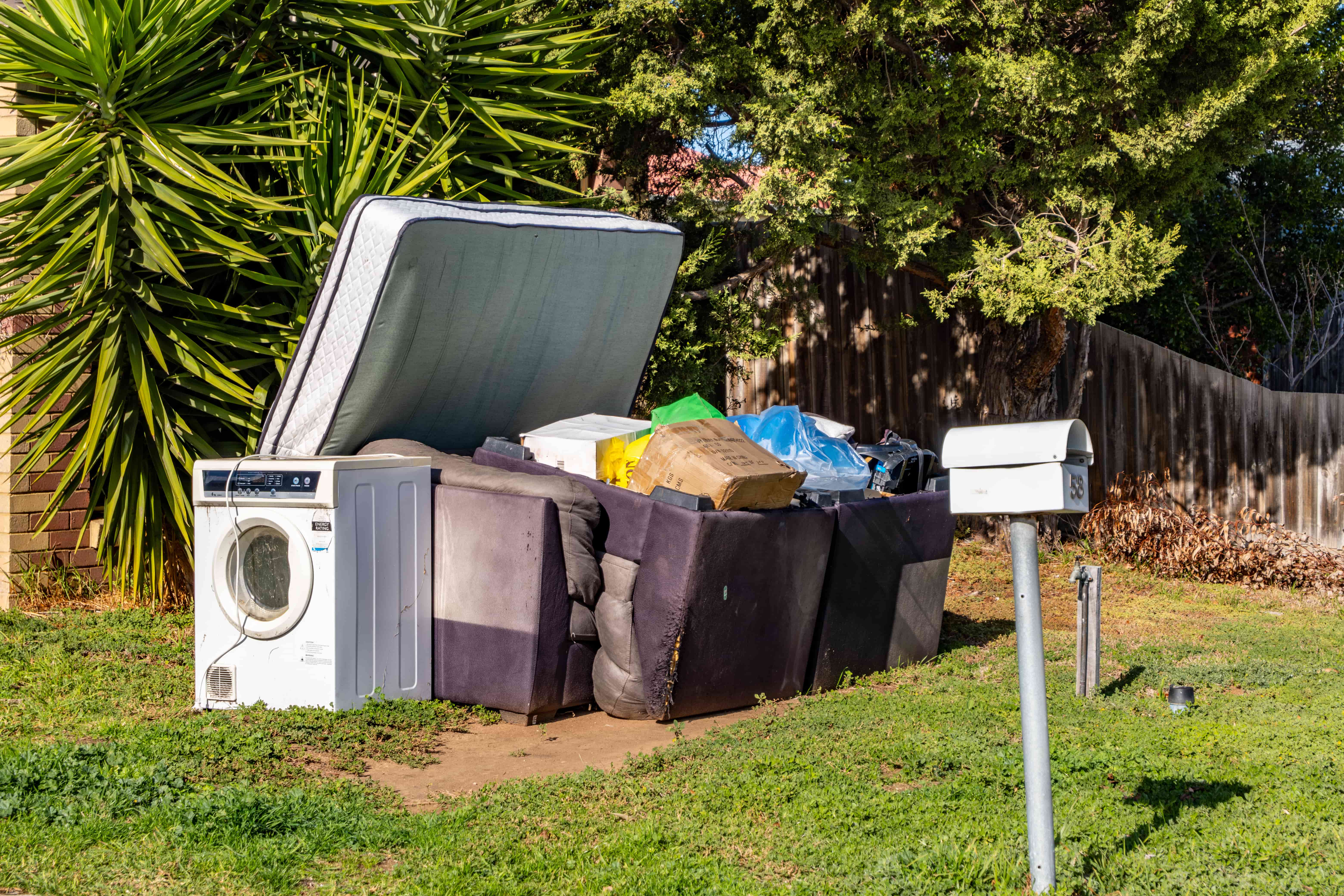
Getting rid of an old fridge, washing machine, or oven in London sounds straightforward — until you realise you can't just leave it on the kerb. Large household appliances, known legally as Waste Electrical and Electronic Equipment (WEEE), are subject to specific disposal regulations in the UK. Fly-tipping carries fines of up to £50,000, and improper disposal of fridges containing refrigerants can cause serious environmental harm.
This guide covers everything London residents need to know: your legal obligations, every available disposal route, realistic cost expectations, and the fastest, most hassle-free solution when you simply need the appliance gone.
Quick Answer: For most households, the fastest compliant route is licensed appliance removal in London with documented WEEE recycling, especially for fridges, freezers, and heavy white goods.
Large household appliances — fridges, freezers, washing machines, tumble dryers, dishwashers, ovens, and similar items — are classified as WEEE under the UK's Waste Electrical and Electronic Equipment Regulations 2013. These rules exist because:
Key fact: Under the WEEE Regulations, retailers selling new appliances are legally required to offer a take-back scheme for the old equivalent item. As a consumer, you have rights — but you also have responsibilities.
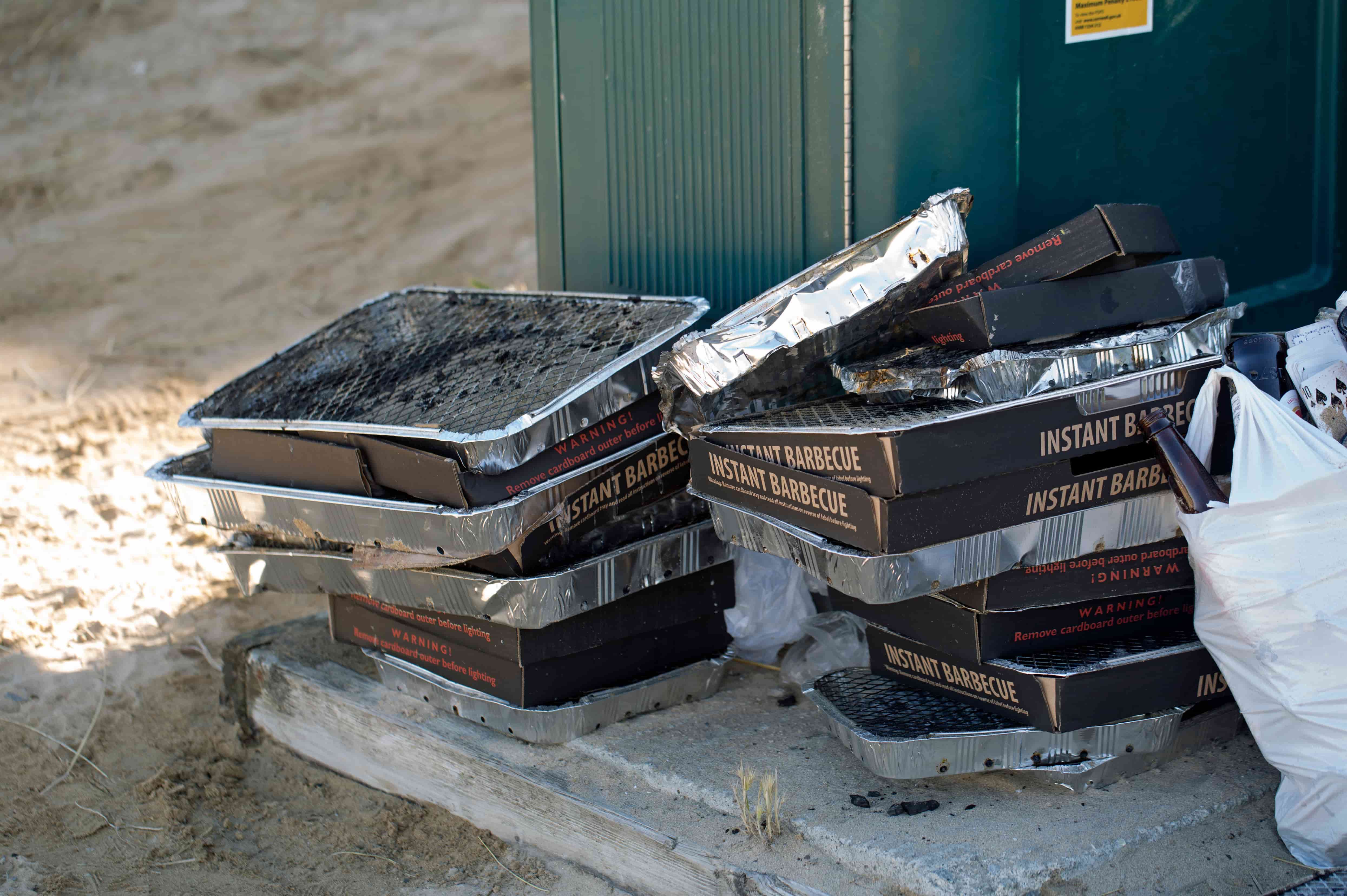
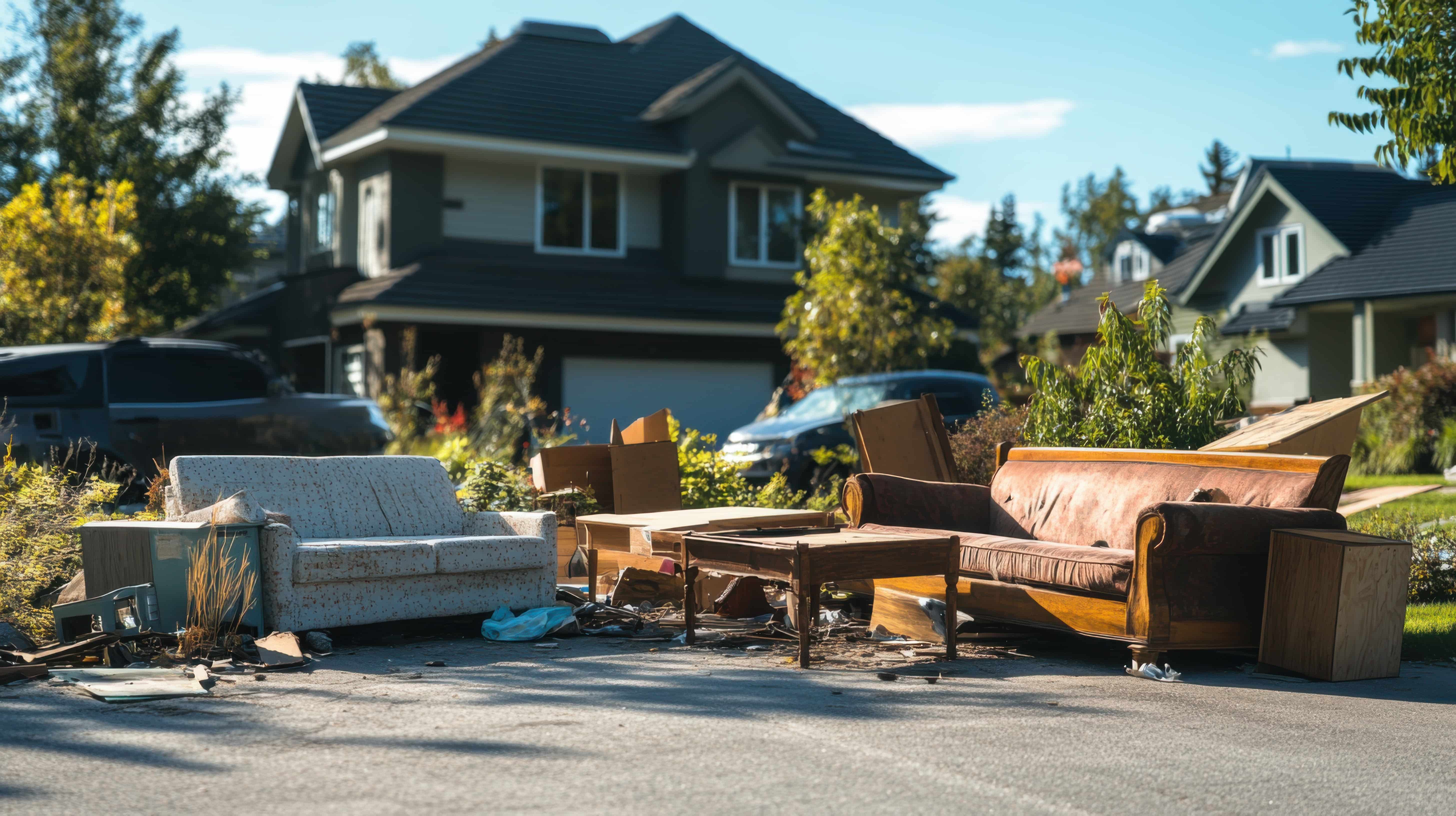
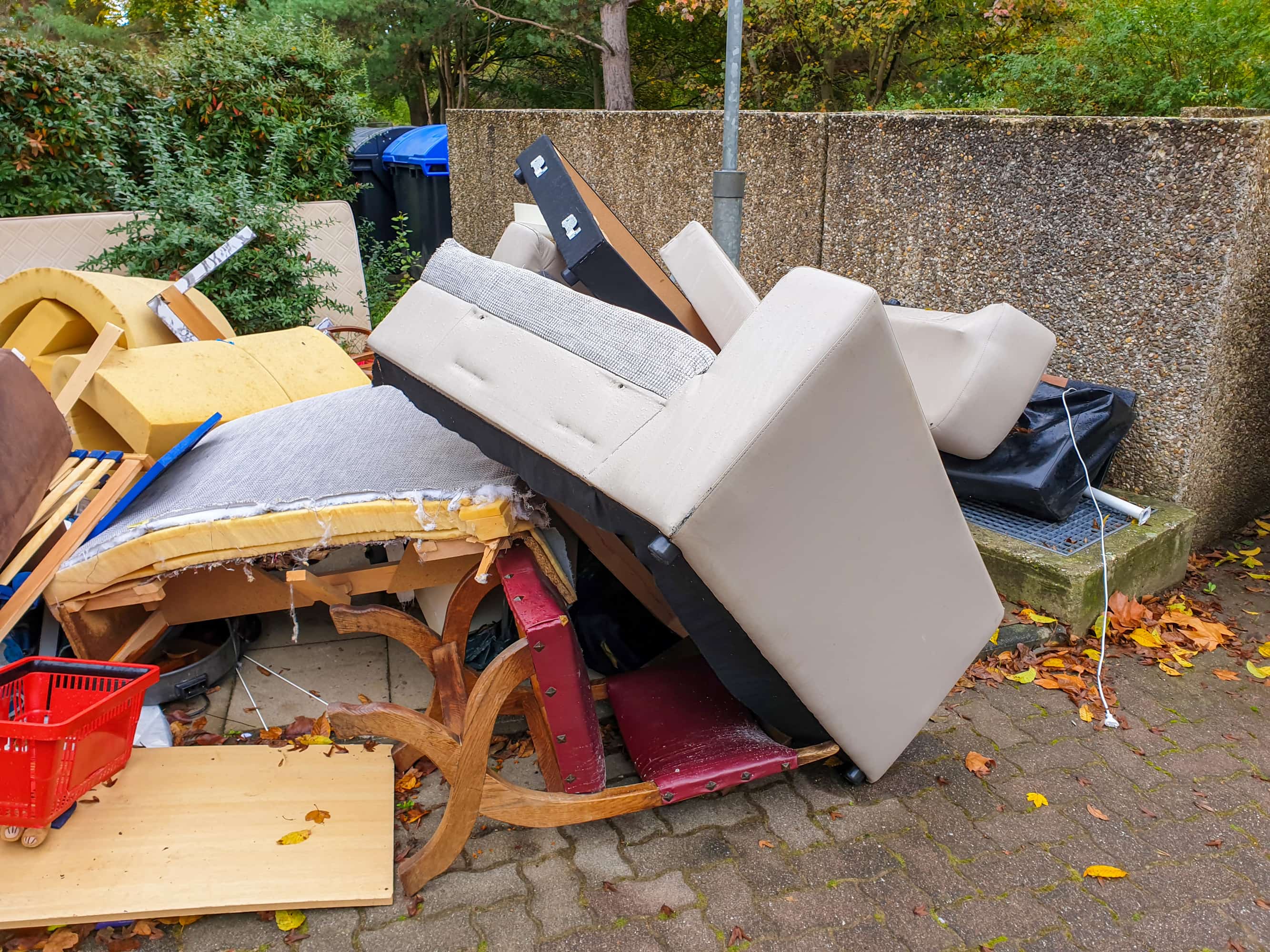
Leaving a washing machine on the pavement or dumping a fridge in an alleyway is classified as fly-tipping and can result in:
When purchasing a new appliance from a retailer, they are legally obliged under WEEE regulations to take back your old like-for-like appliance — often at no extra charge or for a small fee.
How it works:
Major retailers with take-back schemes include:
Pros: Often free or low cost; convenient; legally compliant
Cons: Only available when buying a replacement; you need to arrange moving the appliance to the door yourself
Every London borough operates at least one Household Waste Recycling Centre (HWRC), commonly known as a tip or dump. These centres accept large household appliances free of charge for residents.
What to know:
Finding your nearest HWRC:
Visit your local London borough council website or use the Recycle Now locator.
Pros: Free for residents; environmentally responsible; widely available
Cons: Requires your own transport; booking may be needed; inconvenient for heavy or awkward items
Most London boroughs offer a bulky waste collection service that will collect large items from your home. This is separate from your regular bin collection.
Typical process:
Typical London council bulky waste costs:
| Borough Example | Items Included | Typical Cost |
|---|---|---|
| Westminster | Up to 3 items | £30–£50 |
| Hackney | Up to 3 large items | Free (limited slots) |
| Camden | Per item | £20–£35 |
| Lambeth | Up to 5 items | £25–£45 |
| Tower Hamlets | Up to 3 items | £25–£40 |
Note: Costs and availability vary significantly by borough. Some boroughs offer free collections for residents receiving benefits. Always check your specific council's current pricing.
Pros: Convenient door collection; no transport required; legal and compliant
Cons: Can take 1–3 weeks for a slot; limited items per collection; some boroughs have long waiting lists
If your old appliance is in working condition, donating it is the most sustainable option and can help local Londoners in need.
Organisations that may accept working appliances:
Pros: Free; sustainable; helps local community; zero waste
Cons: Only suitable for working appliances; requires coordination; some charities have limited collection capacity
Washing machines, tumble dryers, and ovens contain significant quantities of steel, copper, and aluminium — all of which have scrap value.
How it works:
What appliances are worth scrapping:
Pros: Can be free or even earn you a small amount; quick collection
Cons: Fridges usually excluded; payment can be very low; use only licensed dealers
For Londoners who want the most convenient, fast, and stress-free solution, a professional rubbish collection service is the gold standard.
This is the option that removes every headache: no transport needed, no booking a council slot weeks in advance, no wrestling a washing machine down three flights of stairs alone, and no uncertainty about whether disposal is legal.
What a professional service includes:
Typical costs for professional appliance removal in London:
| Appliance | Typical Professional Removal Cost |
|---|---|
| Fridge or fridge-freezer | £50–£90 |
| Washing machine | £45–£80 |
| Tumble dryer | £45–£75 |
| Dishwasher | £45–£75 |
| Cooker / oven | £50–£85 |
| American-style fridge-freezer | £70–£110 |
| Multiple appliances (combined) | Discounted rates available |
Pros: Fast; convenient; fully legal; no heavy lifting; handles any appliance including fridges
Cons: Costs more than DIY options
📞 Need your appliance removed quickly? Book same-day rubbish removal in London for fast collection, transparent pricing, and fully licensed disposal.
Fridges require the most careful handling of any household appliance. The refrigerant gases inside (typically R600a or older HFCs) must be extracted by a licensed facility before the unit can be shredded or recycled. This is why scrap dealers won't take them and why fly-tipping a fridge carries serious consequences.
Your best options for fridge disposal:
Never: Leave a fridge with the door attached in a communal area (poses a suffocation risk to children) or attempt to drain refrigerant yourself.
Washing machines are among the most commonly disposed-of appliances in London. At approximately 60–90kg, they're also physically challenging to move.
Best options:
Freestanding cookers and built-in ovens are classified as WEEE and cannot go in general waste. Gas cookers additionally require safe disconnection by a Gas Safe registered engineer before removal.
Important: Never attempt to disconnect a gas cooker yourself. This is illegal and dangerous. Always use a Gas Safe engineer.
Best options for oven/cooker disposal:
| Appliance | Special Considerations | Best Disposal Route |
|---|---|---|
| Tumble dryer | WEEE; fire risk if lint not cleared | Council, retailer take-back, or professional removal |
| Dishwasher | WEEE; water drainage before collection | Scrap dealer, council, or professional removal |
| Microwave | WEEE; contains capacitors | HWRC or professional removal |
| Air conditioning unit | Contains refrigerant — specialist disposal required | Licensed WEEE handler only |
| Electric heater | WEEE | HWRC, council, or professional removal |
Always ask for a Waste Transfer Note from any paid removal company. This is your legal proof that your waste was handled correctly. A licensed carrier is legally required to provide one.
The fastest legal option is usually same-day or next-day collection by a licensed waste carrier that provides compliant WEEE processing and transfer documentation.
Council bulky waste collection typically costs £20–£50 depending on your borough. Some boroughs offer free collection. A professional removal service costs approximately £45–£80. If the machine is working, Freecycle or Facebook Marketplace can result in free collection by a member of the public.
No. Leaving a fridge on the pavement or in a communal area is classified as fly-tipping and can result in a significant fine. You must arrange proper collection via your council, a licensed removal company, or a registered HWRC.
Not necessarily for free — but every London borough must provide access to a free HWRC. Bulky waste collections (from your home) are a separate chargeable service in most boroughs, though some offer free slots or concessions for benefit recipients.
Check that the company holds a valid Waste Carrier Licence issued by the Environment Agency. You can verify this free on the UK public register for environmental information. London Rubbish Collection is a fully licensed waste carrier.
The fastest option is a professional kitchen appliance disposal service, which offers same-day and next-day collection across London, handles all the heavy lifting, and ensures fully compliant, environmentally responsible disposal.
Most scrap metal dealers will not accept fridges because of the refrigerant gases they contain, which require specialist extraction equipment. Fridges must be processed at a licensed WEEE facility. Do not attempt to drain refrigerant yourself.
Yes. Abandoning any large household appliance in a public place or on private land without permission is an offence under the Environmental Protection Act 1990. Penalties can reach £50,000 and include prosecution even if you hired someone else to do the dumping.
Whether you have a single fridge to remove or a full kitchen clearance, our household rubbish removal service makes it simple. Our professional, fully licensed team covers all London boroughs, offers same-day availability, and handles everything from ground-floor kitchens to top-floor flats — with no hidden charges and responsible WEEE recycling guaranteed.
Book compliant WEEE recycling support →
Related services: House Clearance London | Rubbish Removal London | Same-Day Rubbish Collection
Get a free, no-obligation quote today — fully licensed, same-day collection available 7 days a week.
A complete guide to recycling old computers...
24 Apr 2025
Top 5 Ways to Dispose of a Microwave Oven...
06 Sep 2024
Top Ways on How to Get Rid of a Mattress...
30 Jul 2024
Top Innovative Ideas for Recycling...
30 Jul 2024